


February 5, 2026
News
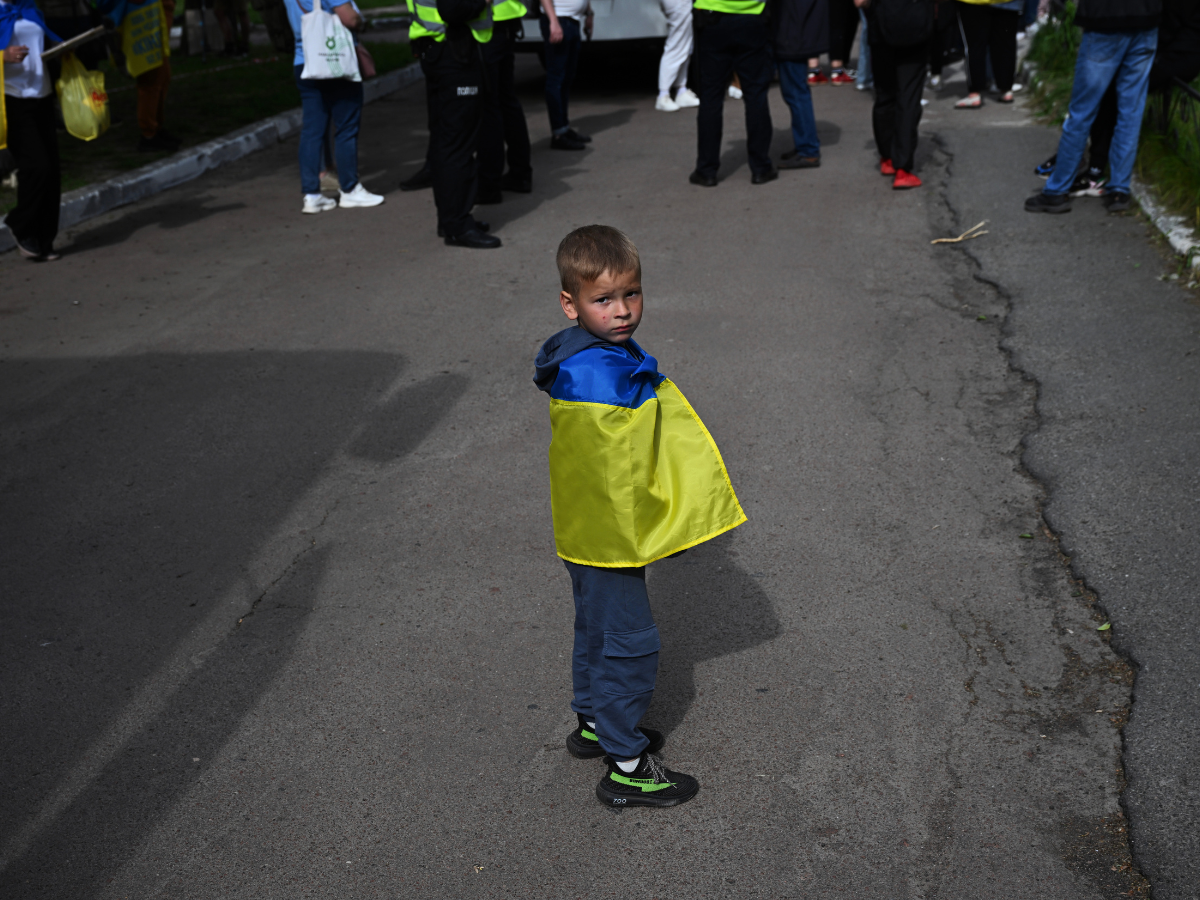
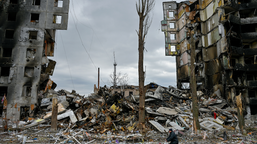
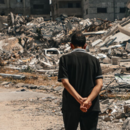
This February, it will be four years since the beginning of the war in Ukraine. People have been facing bombardment, displacement, and a lack of basic necessities. Caritas Czech Republic has supported them for many years. We operate in six regions, including areas in close proximity to the frontline in eastern Ukraine. In this article, we provide an overview of our major activities in the country over the past year. Our work on site continues.
Improving rehabilitation to help people get back on their feet
One of our main focuses in Ukraine has been improving rehabilitation care for wounded soldiers and civilians. The need for high-quality rehabilitation care has been increasing in the country as more people require support. For instance, stroke has become more common, even among young people. The main hub for this type of healthcare is in the Dnipropetrovsk region near the frontline. We have been operating there since 2024.
In September last year, ten doctors and representatives from six local hospitals visited Prague to attend a training session on rehabilitation care. They gained theoretical knowledge and familiarised themselves with different types of rehabilitation facilities in the Czech Republic, as well as the key principles of patient treatment provided by Czech rehabilitation workers.
This experience will inspire me to move forward in my work in Ukraine, which is in dire need of high-quality rehabilitation treatment for civilians and military personnel,
says Oleksii Grygoruk, acting head of the rehabilitation department at the Dnipro Regional Veterans Hospital.
Later, Caritas Czech Republic renovated and equipped the six hospitals in the Dnipropetrovsk region with high-tech equipment to improve the quality and accessibility of local rehabilitation care. The equipment included, for example, devices for joint development and accelerated tissue healing, as well as virtual reality. These technologies are designed to help restore patients’ motor, cognitive, and psycho-emotional functions after severe injuries, strokes, or trauma, and support the patient to return to normal life. Dozens of healthcare workers have been trained on how to use the equipment effectively.
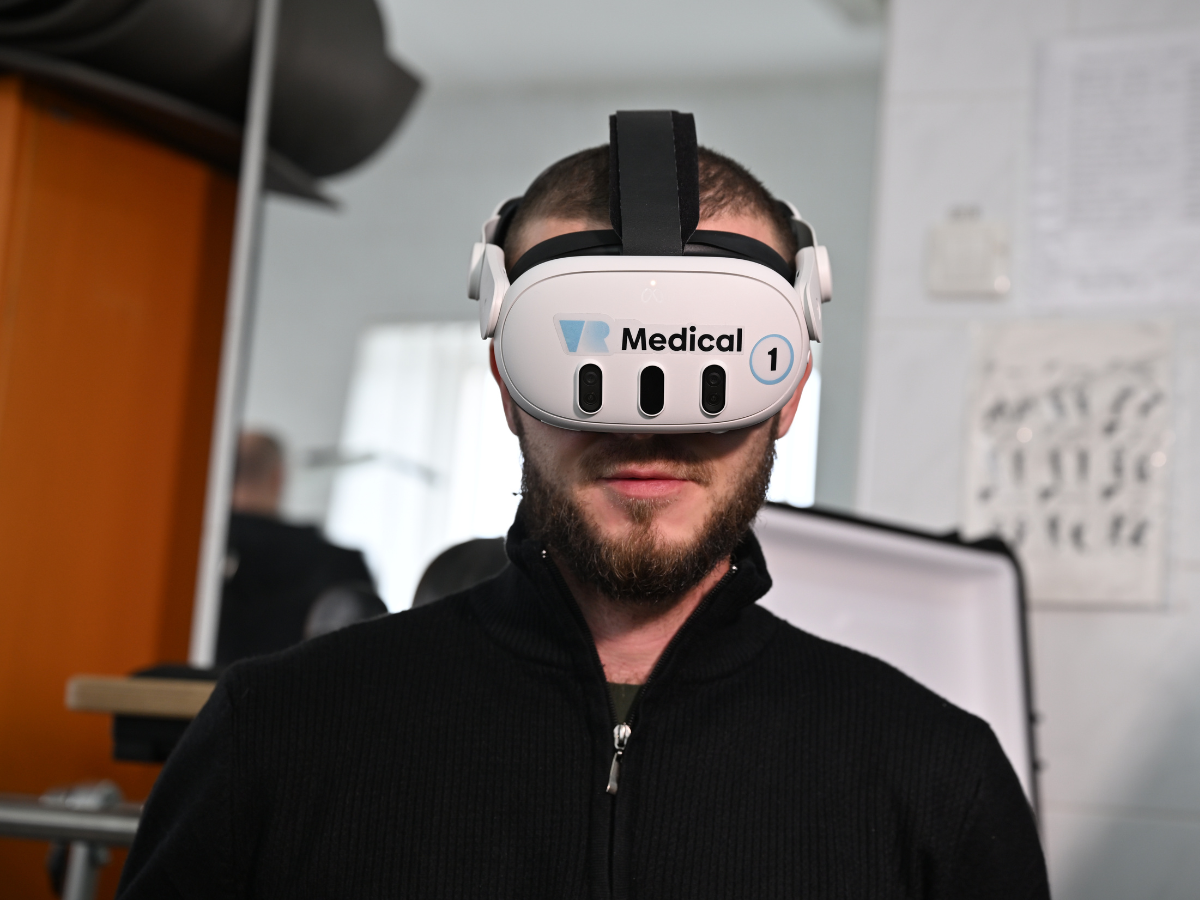
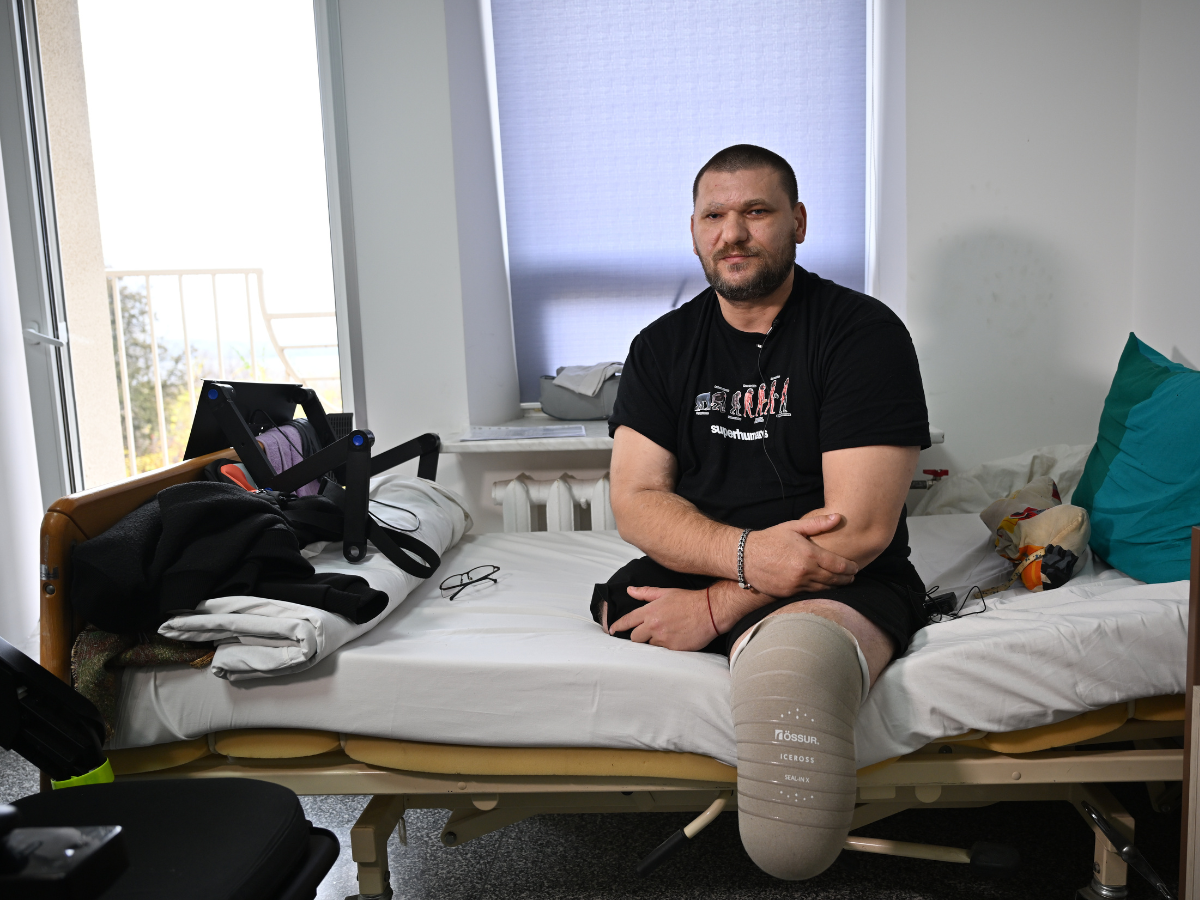
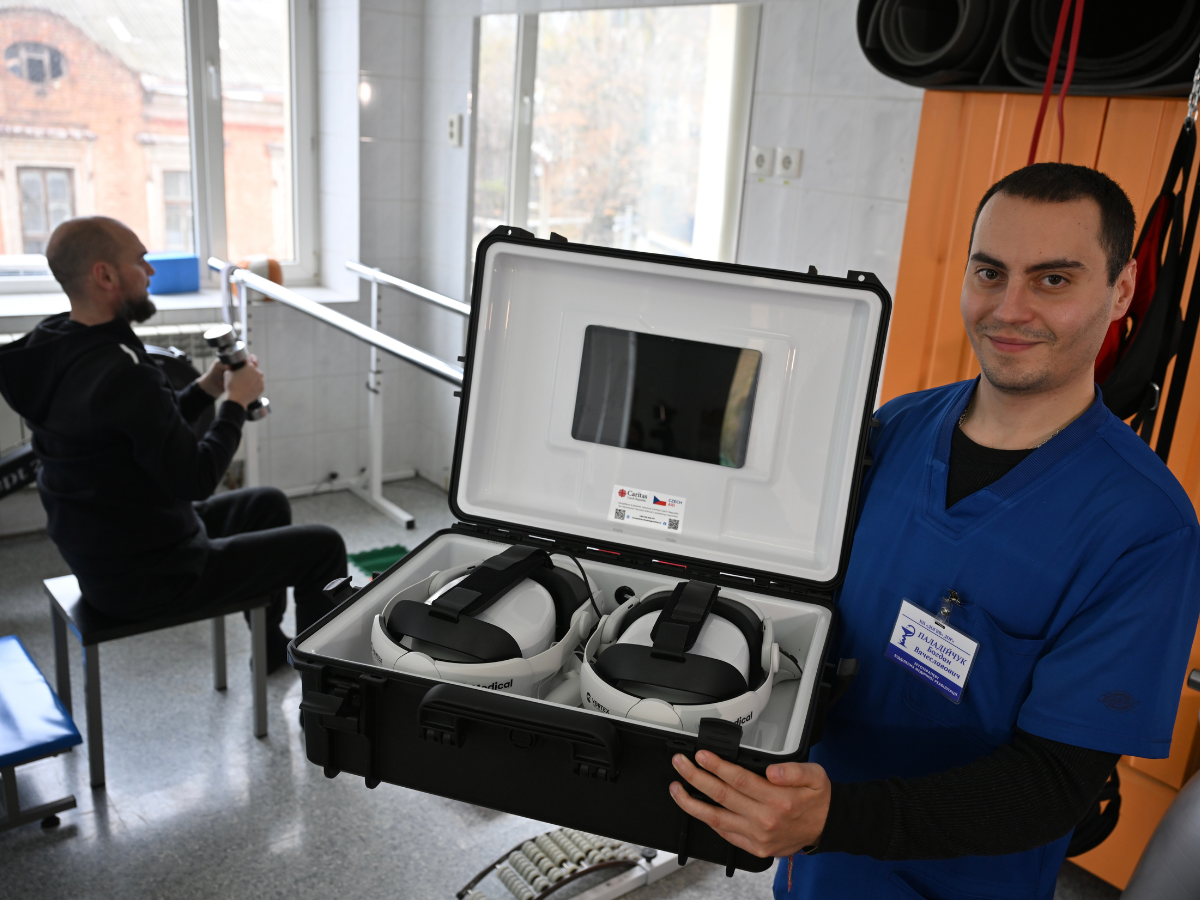
Photo: We help improve rehabilitation care in Dnipropetrovsk region
Paying much-needed attention to mental health
As the war has created a greater need for rehabilitation care, the demand for emotional support has also increased. Four years into the conflict, over seventy per cent of people in Ukraine, for instance, deal with anxiety, depression, post-traumatic stress disorder, sleep disorders, or chronic fatigue.
In 2025, Caritas Czech Republic joined the national programme called “How are you?” initiated by the Ukrainian first lady, Olena Zelenska. The aim was to establish approximately 200 mental health centres across the country, so that adults and children could access free psychological care.
Caritas Czech Republic helped build centres in four regions: Dnipro, Lviv, Ivano-Frankivsk, and Transcarpathia. In total, we established five mental health centres for adults and children within existing facilities, including one in the Resilience Centre in Truskavets, where various social support activities for vulnerable families are held. This centre is not a hospital, although psychological sessions can also be held there.
Another of the mental health centres was opened in Novoyavorivsk in the Lviv region in September last year. With support from the Ministry of Foreign Affairs of the Czech Republic, we renovated and equipped the newly established centre at the Yuriy Lupa Hospital. We set up doctors’ offices for psychiatrists, psychologists, clinical psychologists, group and individual therapy rooms, as well as a day hospital and a psychological relief room. Thanks to this, more than 54,000 residents of the area gained adequate, specialised mental health care.
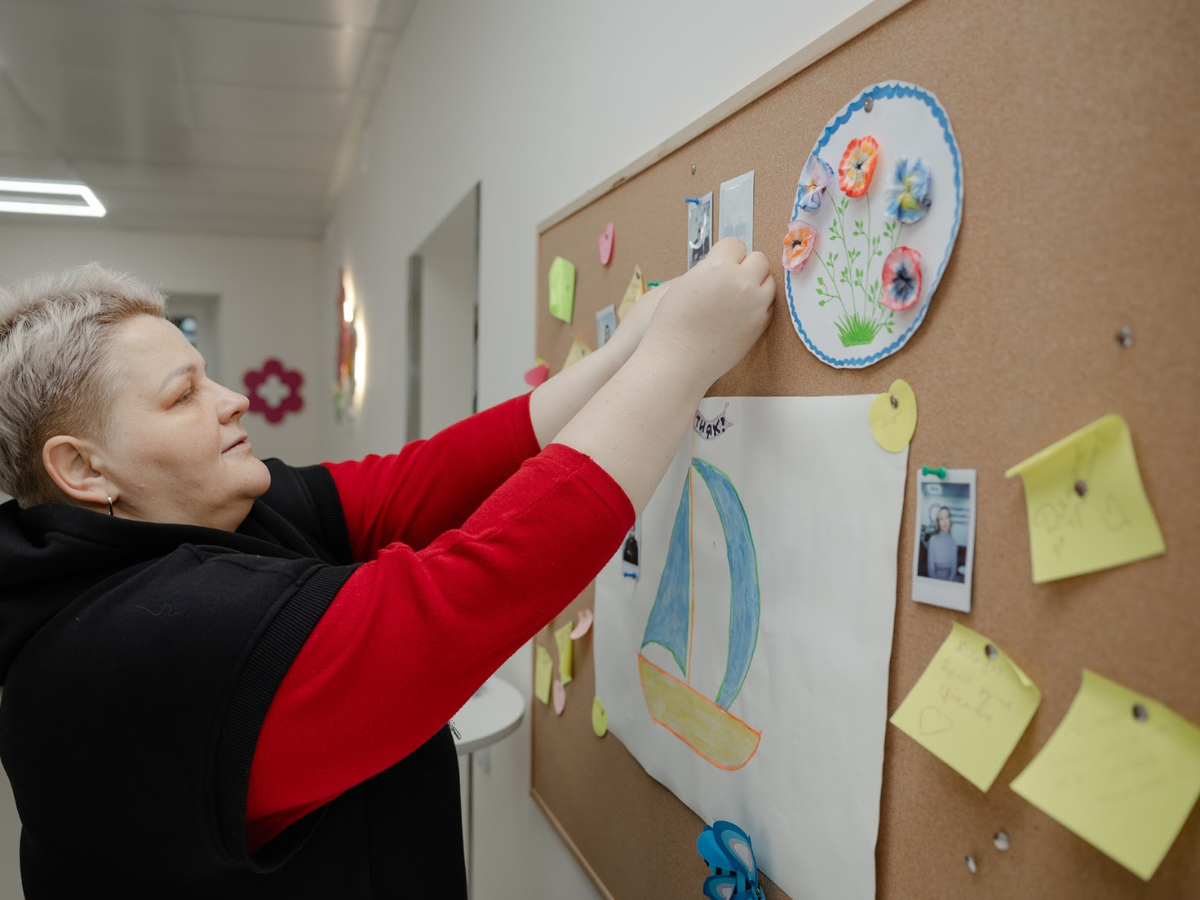
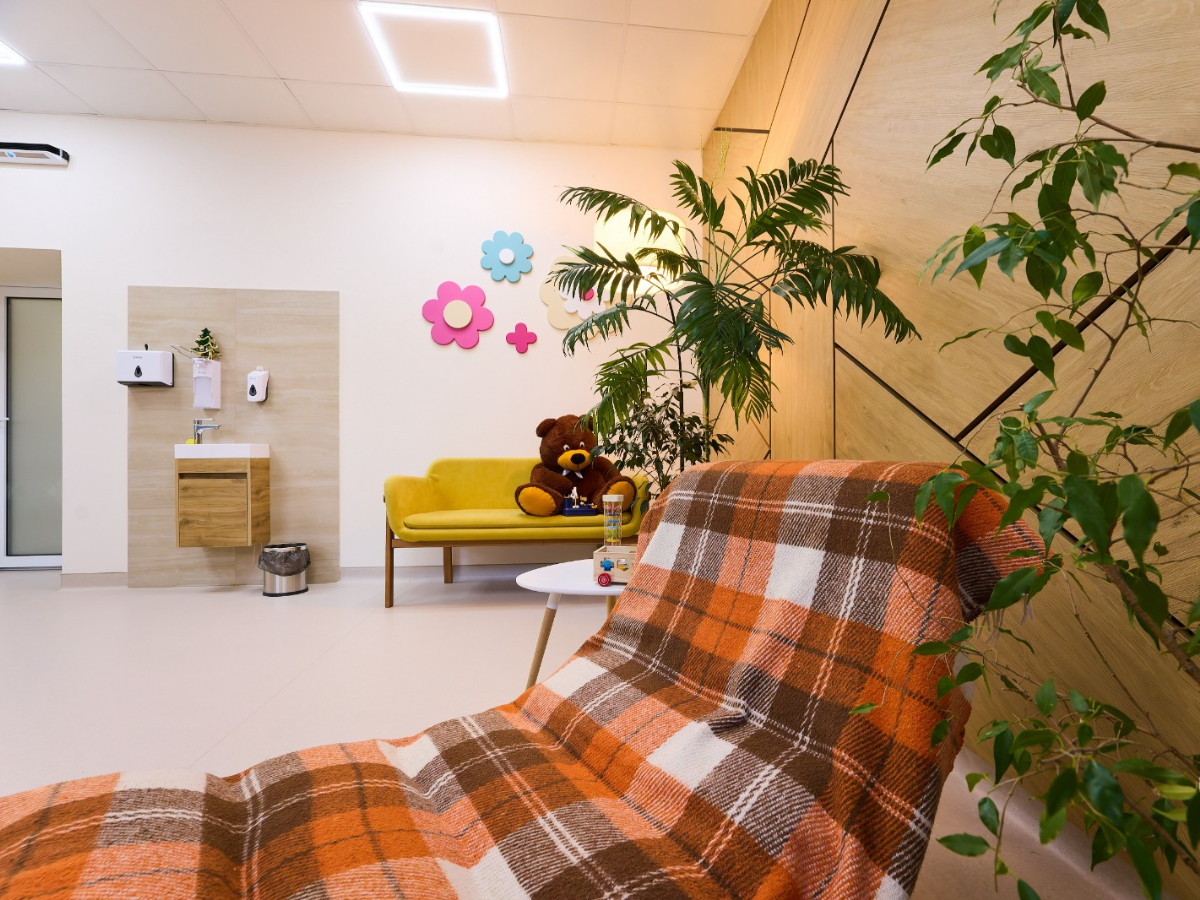
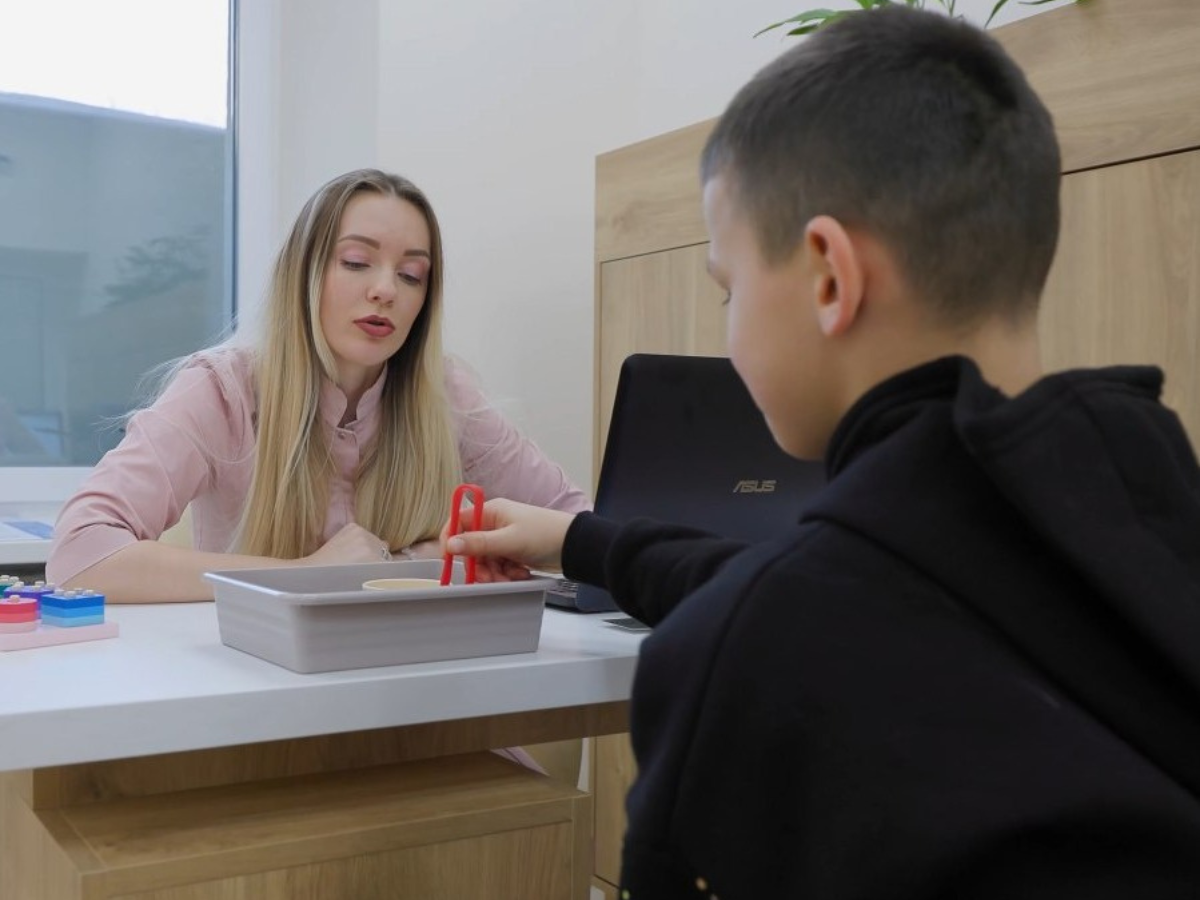
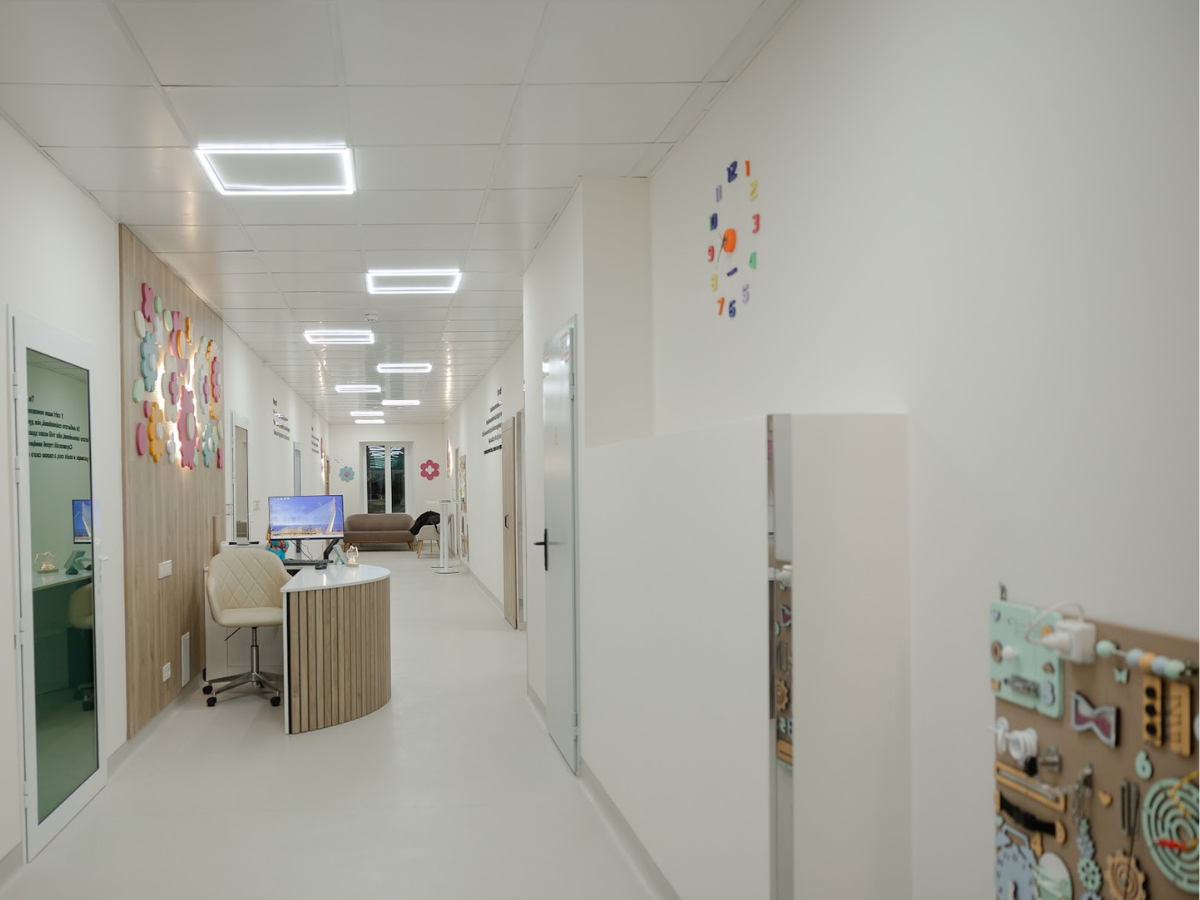
Photo: Mental health centre
The Mental Health Centre is a high-quality project aimed at protecting the mental health of the residents of Novoyavorivsk, internally displaced persons, parents and children of our defenders, as well as the soldiers. Returning from was after being wounded, they need not only physical but also mental rehabilitation, which we are now able to provide in good conditions,
explains the director of the Novoyavorivsk hospital.
Moreover, 120 medical workers were trained to develop mental health services within local communities and to work collaboratively as part of a diverse team of professionals. We also assisted 1,500 children from internally displaced persons, returnees, and host communities by offering activities that support their mental well-being.
In the Dnipropetrovsk region in eastern Ukraine, we supported the well-being of teachers and students by providing at least thirty individual psychological consultations. We organised ten mental health training sessions for seventy teachers as well as group classes for 360 students.
Bringing medical care where it is most needed
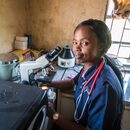
Almost 1,500 residents of frontline villages in the Kherson region once again have access to timely medical care. The war and occupation destroyed local hospitals. People were left alone to cope with chronic diseases and injuries. Caritas Czech Republic helped three communities restore access to primary medical care by setting up modular medical stations so that local paramedics had a place to treat patients. Most residents of frontline villages are internally displaced persons, elderly people, women with chidlren, and people with disabilities.
After the occupation, our village was in complete ruins. There was no medicine at all. The nearest medical centre was dozens of kilometres away. But not everyone has that option. Because of my high blood pressure, I constantly need help, and now I can come here and take care of my health,
says Oksana, a resident of the village of Novohryhorivske.
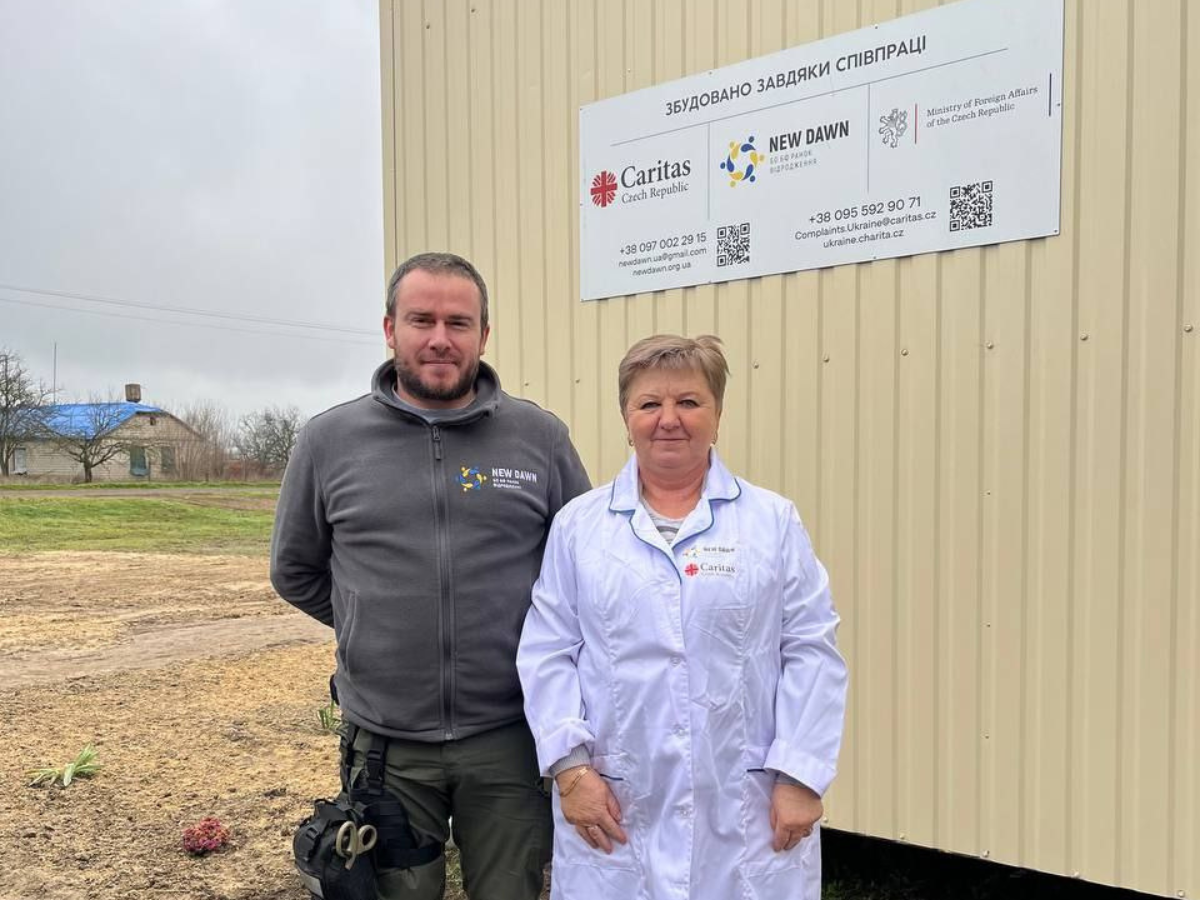
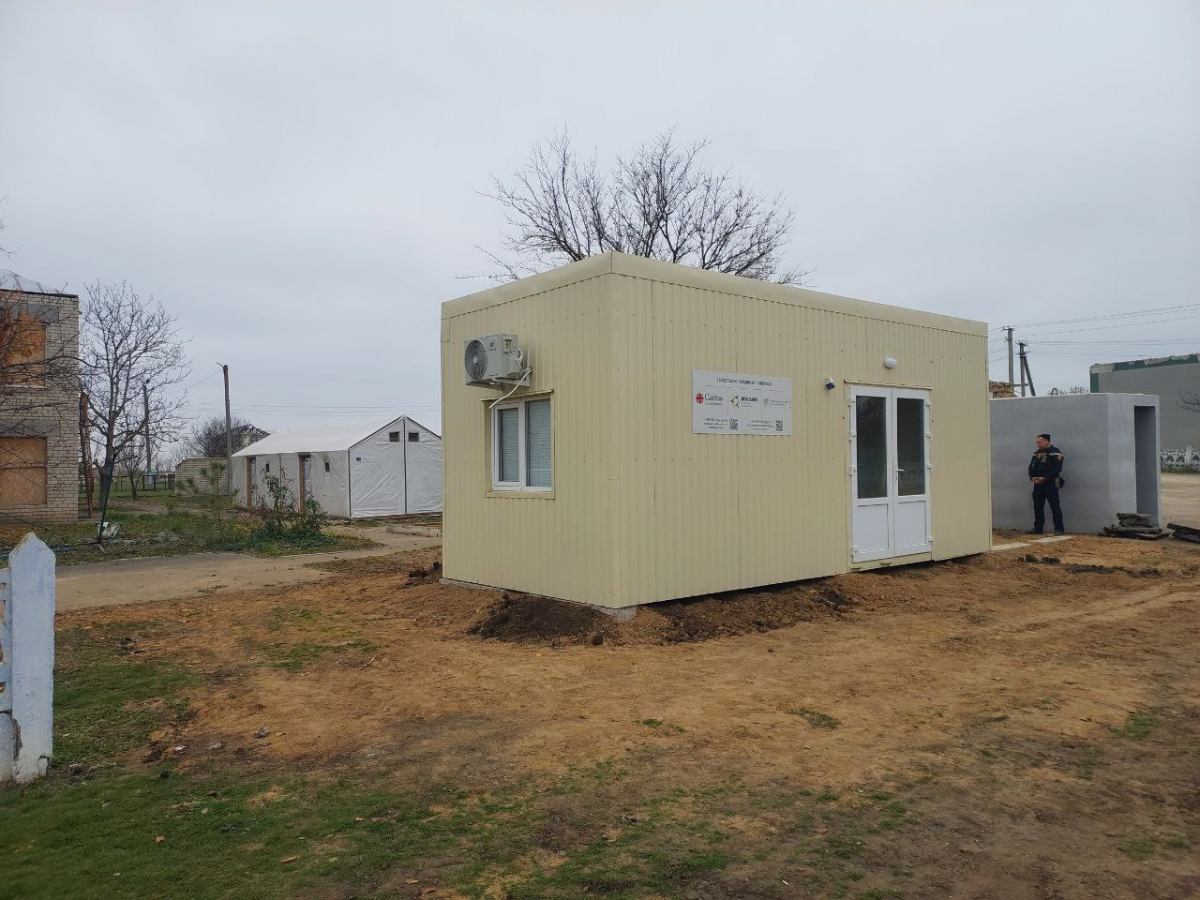
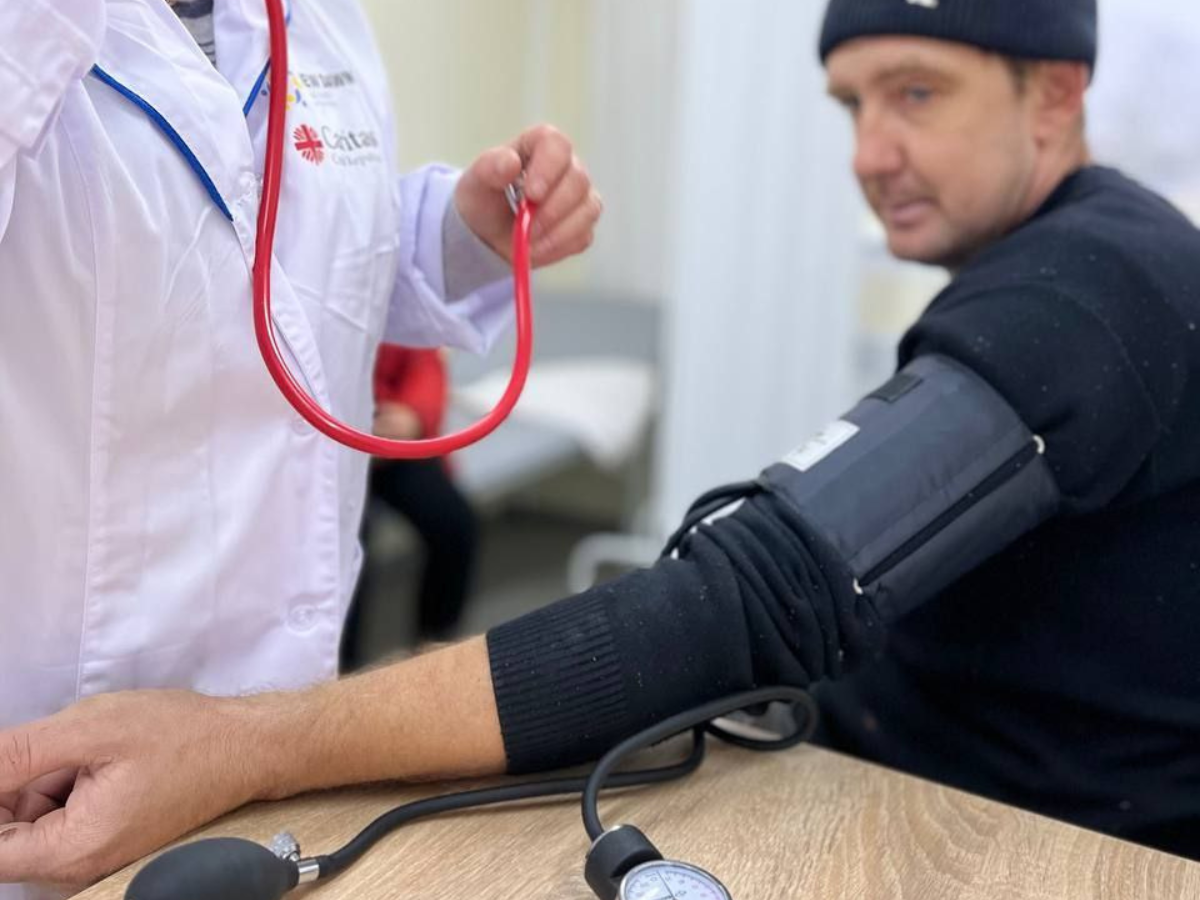
Photo: Modular medical station in the Kherson region
Providing solid fuel for people near frontlines
Every winter, we provide fuel for households in Ukraine to prepare them for the cold months. This winter season, we helped 740 households in the Dnipropetrovsk region. Because of the immediate proximity to the frontline, life there is extremely difficult. Locals need to face challenges of destroyed infrastructure, unemployment, or rising cost of solid fuel. Therefore, our assistance in the winter months is crucial. We delivered 3.2 tonnes of briquettes to each yard.
The firewood stove is our lifeline: it cooks our child’s food, heats water for bathing, and warms the house. Last winter, we bought fuel briquettes, but this year, we can’t afford them,
shares Marjana, a mother of a young child. Their family had to move from the city as the situation there was more dangerous. They found shelter in the countryside where in an old house, the only source of warmth was an old wood-burning stove.
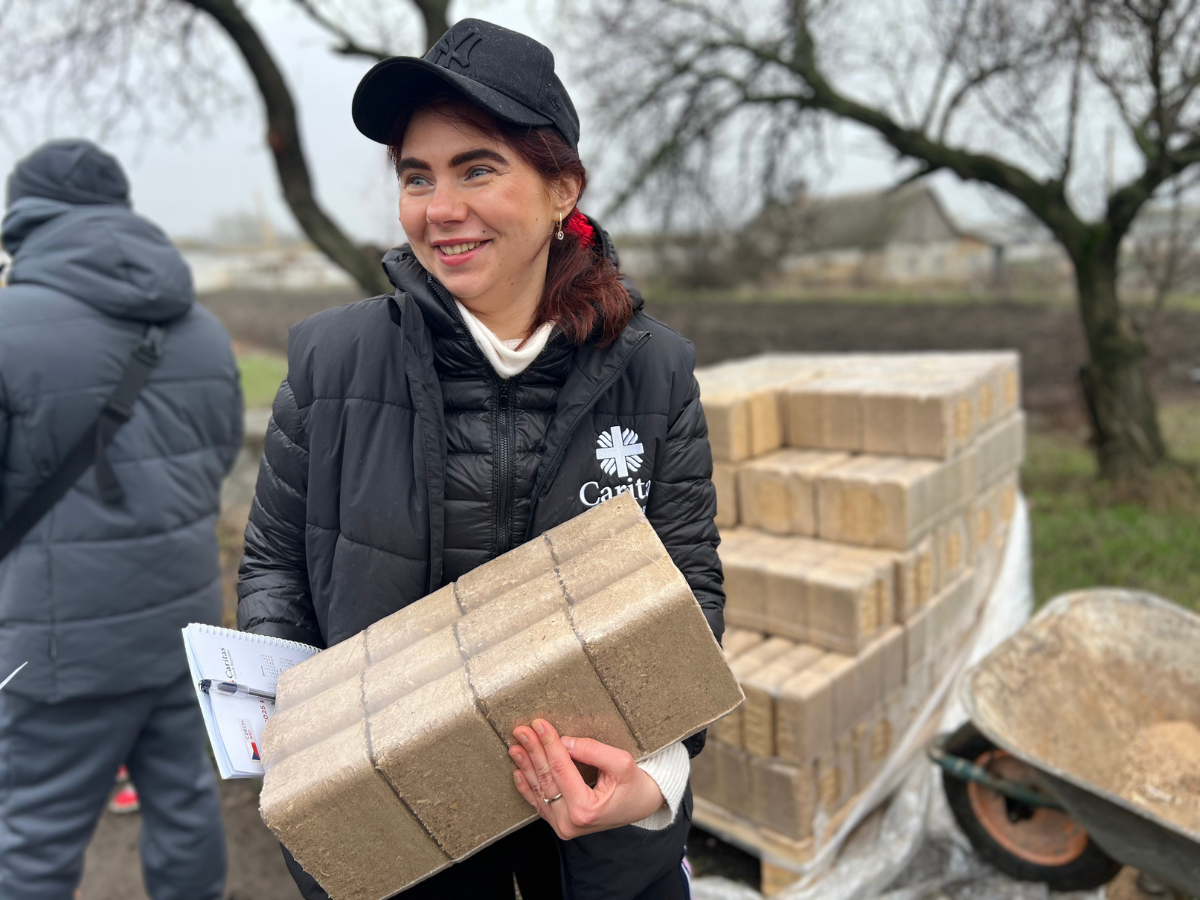
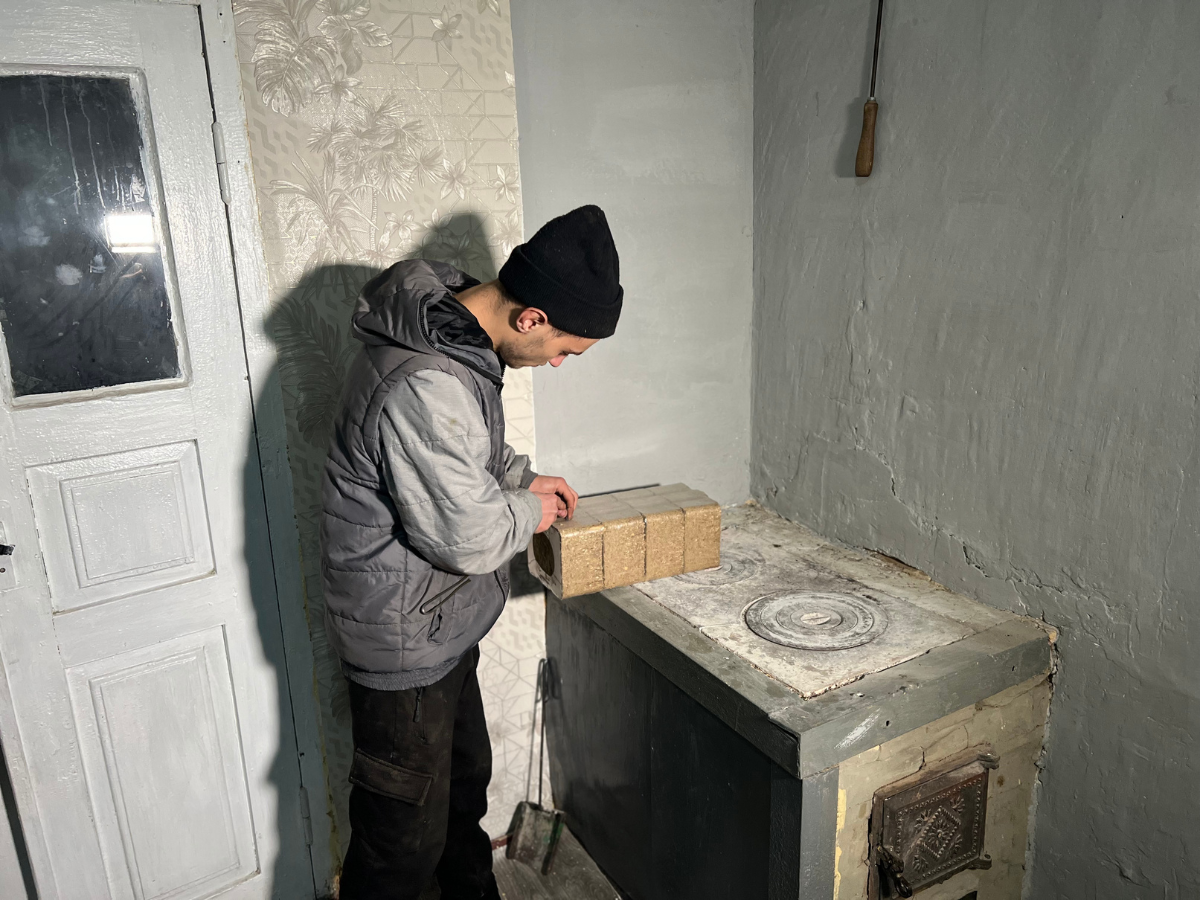
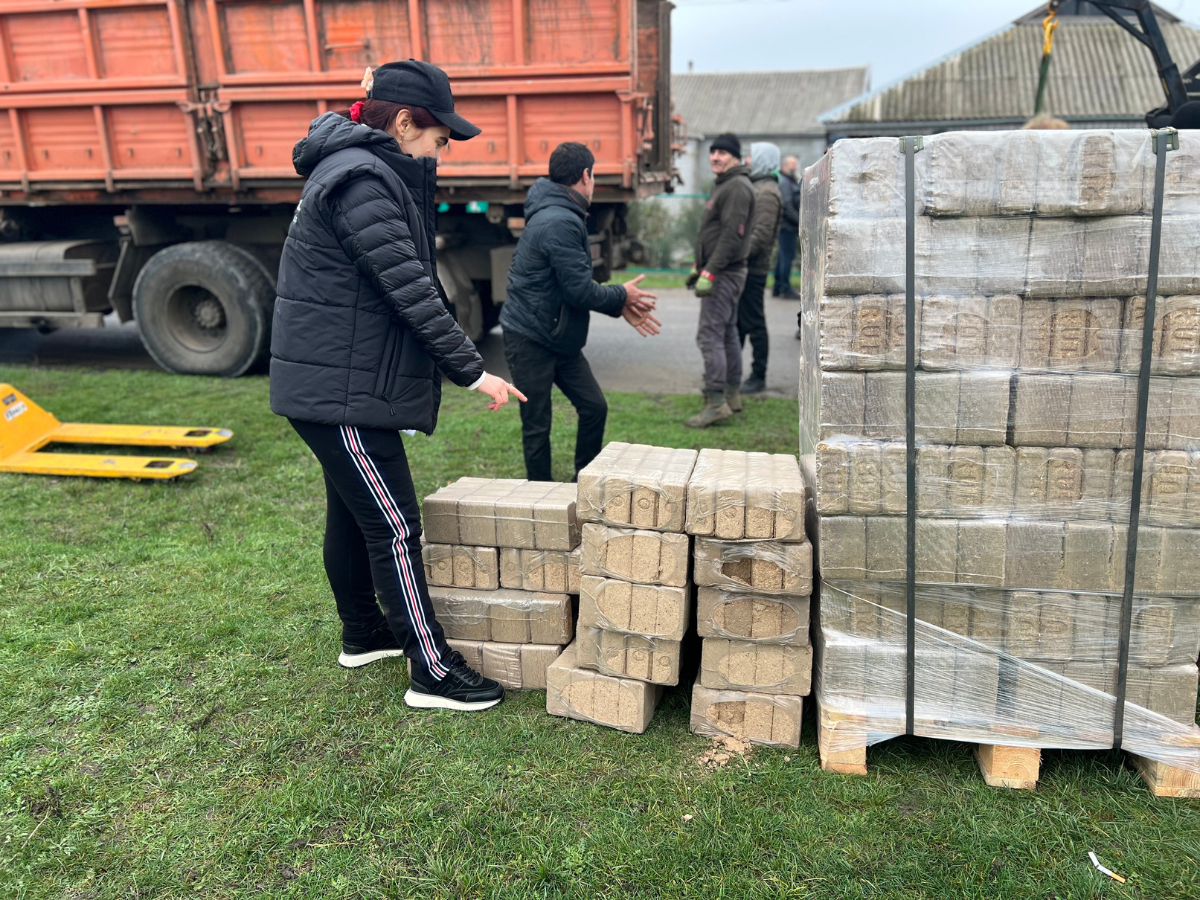
Photo: Solid fuel for households in eatern Ukraine
Apart from the fuel, we are also distributing 1,500 kits this winter. The kits include a thermal blanket, sleeping bag, mattress, thermos, power bank, and a portable dry-fuel stove.
In the winter season of 2024-2025, Caritas Czech Republic gave 7.6 stacked metres of firewood to each household out of 811 in the Kherson region. We also provided winter clothes and boots to 1,019 people across two communities - Tiagynka and Chronobaivka.
Educating children who missed out on school due to the war
Last year, we provided 1,920 hours of classes for at least 300 children in the Dnipropetrovsk who missed out on school due to the war. We support the students in catching up on Math and Ukrainian.
The children have been learning online for almost four years now. In addition to poor quality of education caused by long-distance classes, constant stress and pervasive uncertainly also lowers their motivation to study. Therefore, we renovated and furnished five safe educational spaces in Nikopol and Mykolaivka. This way, children could attend the additional lessons in person and finally see their peers.
I see that my daughter has become less stressed, and the teachers are really filling in the gaps caused by remote study and air strikes. It’s a great relief,
says a mother of a ninth grade student at the Mykolaiv Lyceum.
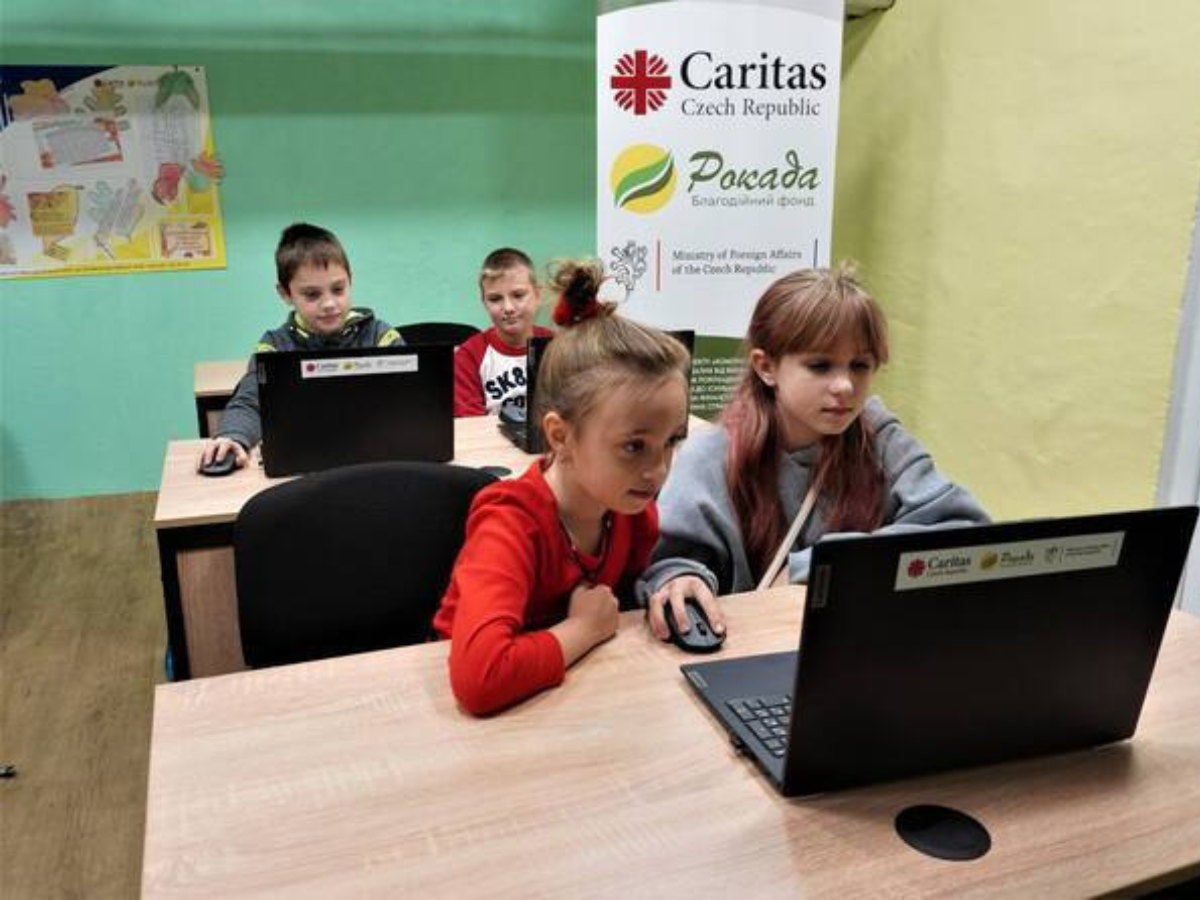
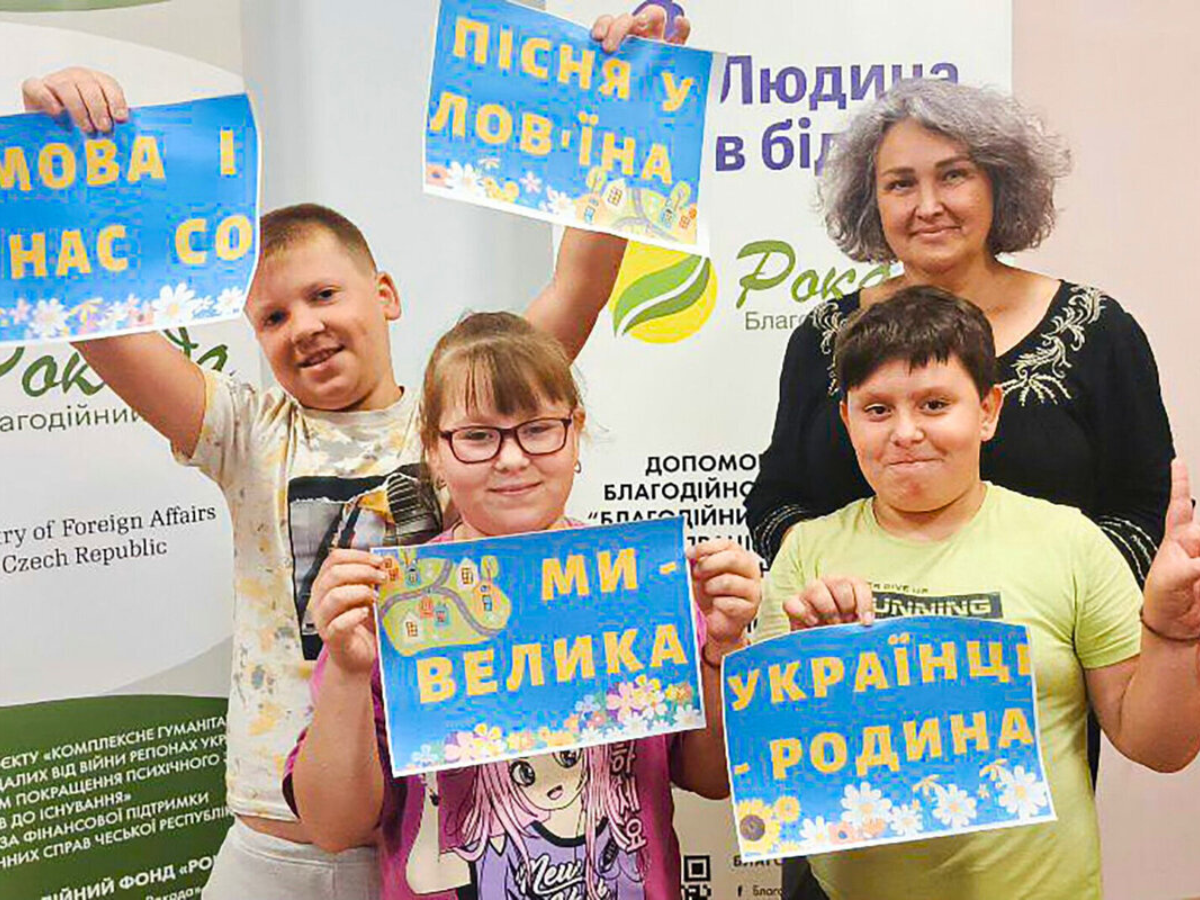
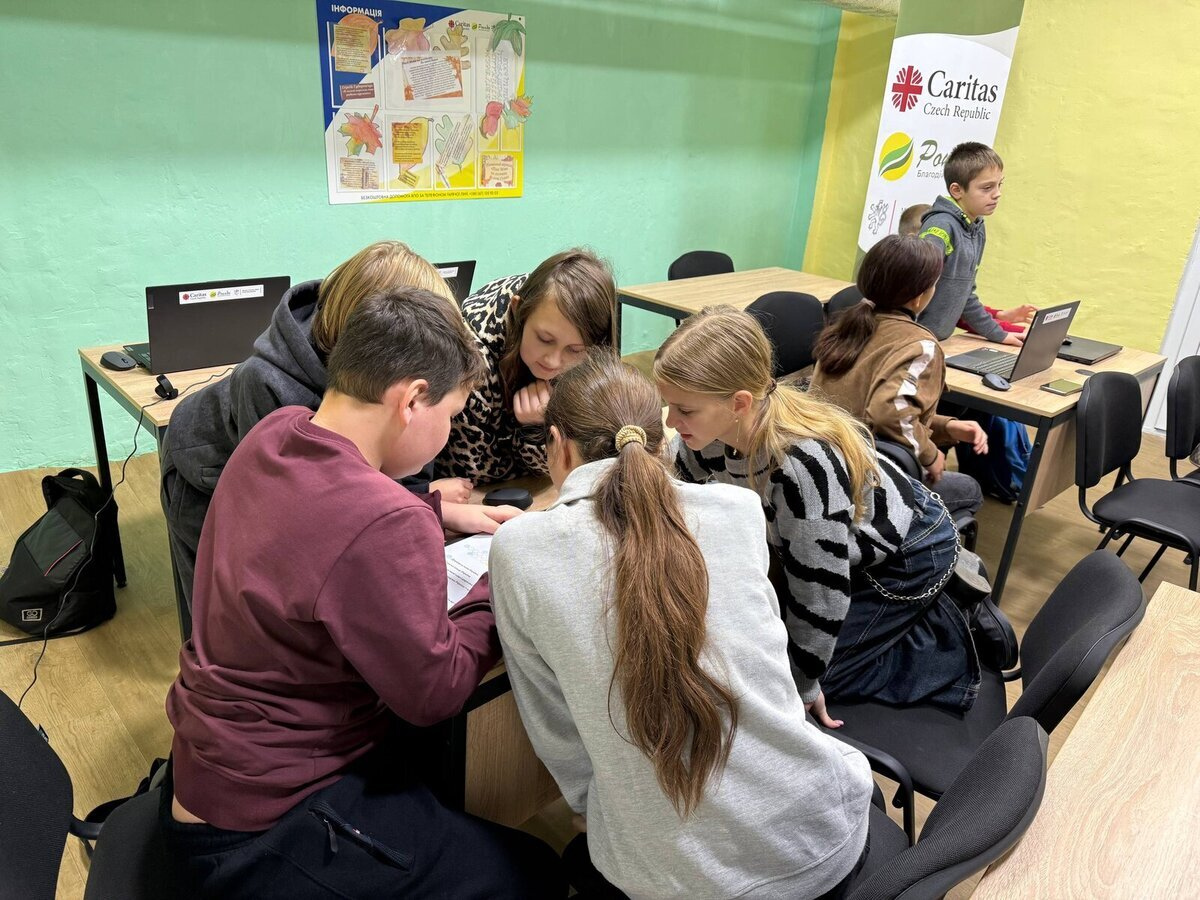
Photo: Additional classes for children in the Dnipropetrovsk region
Moreover, we also provided 1,200 children from three communities with educational kits that enhance their learning process. At the same time, a psychologist is present on site to help the student as well as teachers cope with emotional pressure.
I am now able to work with students in a feedback mode and can quickly diagnose at which stage they have ‘dropped out’ without wasting their time repeating the entire course. This makes teaching mathematics much more effective and less stressful,
explains Olena Kostina, a mathematics teacher.
Offering study and business grants to internally displaced persons
We also support adults in developing their skills by providing study grants. These are intended for internally displaced persons who fled eastern Ukraine and found shelter in the western part of the country. We offered 45 grants to help them find new jobs and settle into their new homes. In addition, we gave three small grants of up to 5,000 euros to enable recipients to start or develop their businesses and increase their income.
This way, we were able to help Olga and Svitlana, a mother and a daughter from the Russian-occupied town of Polohy in the Zaporizhzhia region. At the beginning of the war, they were trapped in a basement for two weeks, while the soldiers were shooting outside their building. Now, the family lives in Ivano-Frankivsk where they founded a clothing brand to support women in feeling more confident. In 2025, Caritas Czech Republic gave them funds to purchase additional professional equipment, such as a new overlock machine, sewing machine, cutting machine, and embroidery machine.
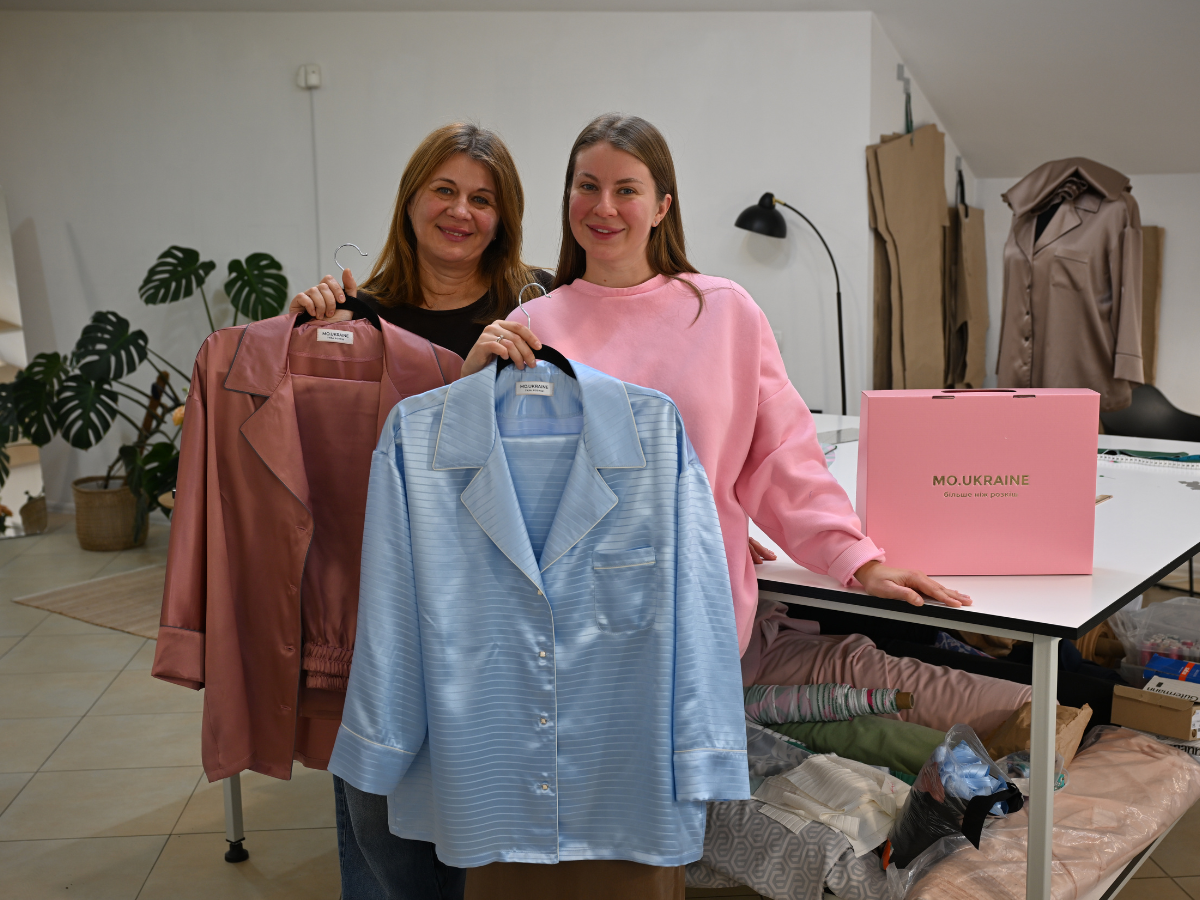
Photo: Olga and Svitlana
We also supported Oleksandra, an accountant who came to Lviv from Zaporizhzhia. She moved there temporarily before the war began. However, now she cannot return home. With help from Caritas Czech Republic, she attended two courses to improve her accounting skills and now can perform more effectively at work.
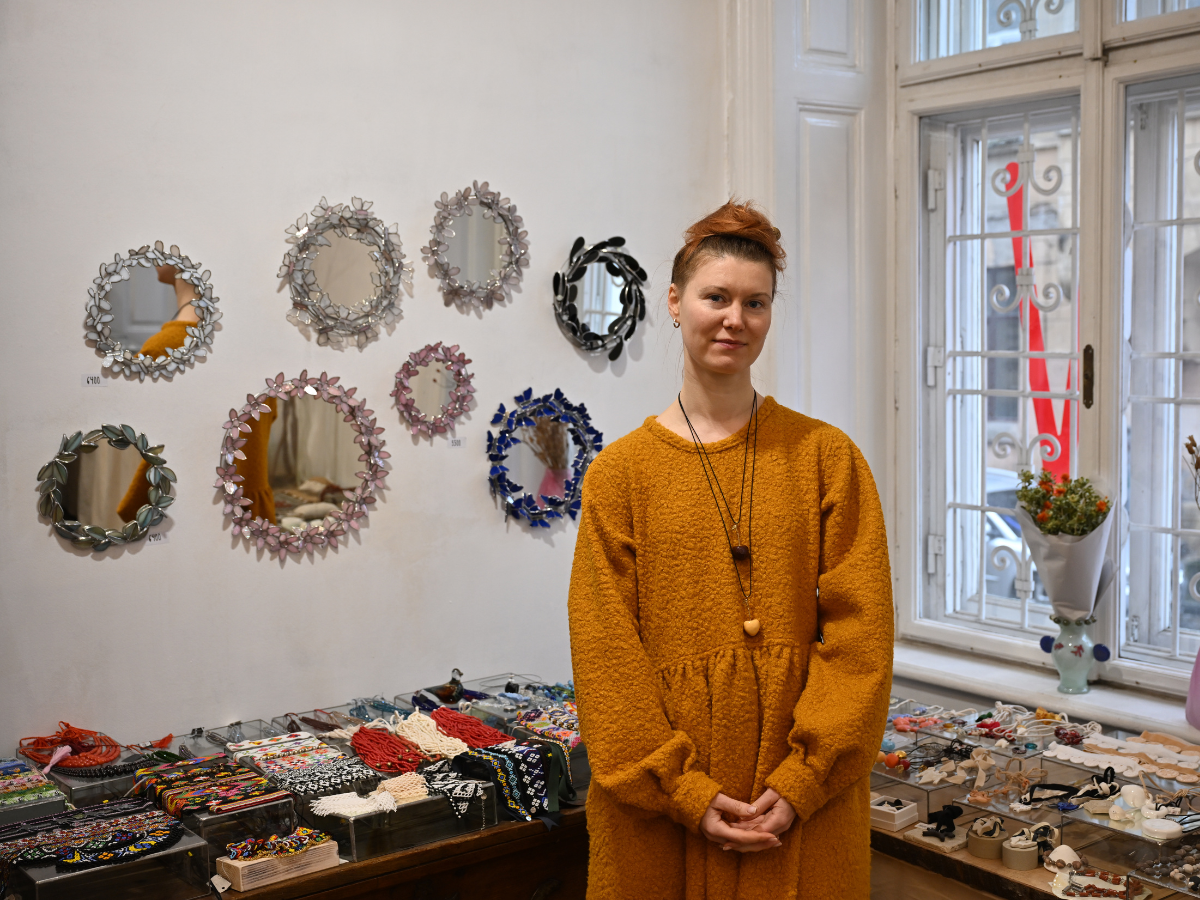
Photo: Oleksandra
Helping people who lost their homes because of the war
For almost four years now, Caritas Czech Republic has been providing decent living conditions for war-affected families in western Ukraine. In 2025, for example, we opened a new facility for internally displaced persons in Berehove in the Zakarpattia region. One hundred residents from the Donetsk, Dnipropetrovsk, and Kherson regions have found a home there. We also purchased essential household appliances, such as refrigerators or washing machines, for twelve flats in the village of Kernytsia in the Lviv region. The flats have accommodated 32 people.
I am sincerely grateful to everyone who contributed to this. I am especially grateful to Caritas Czech Republic, as this feels like a fresh start and a new chapter in my life,
shares Olha, a mother of two, whose family lives in one of the apartments. They fled to Kernytsia from the Kherson region.
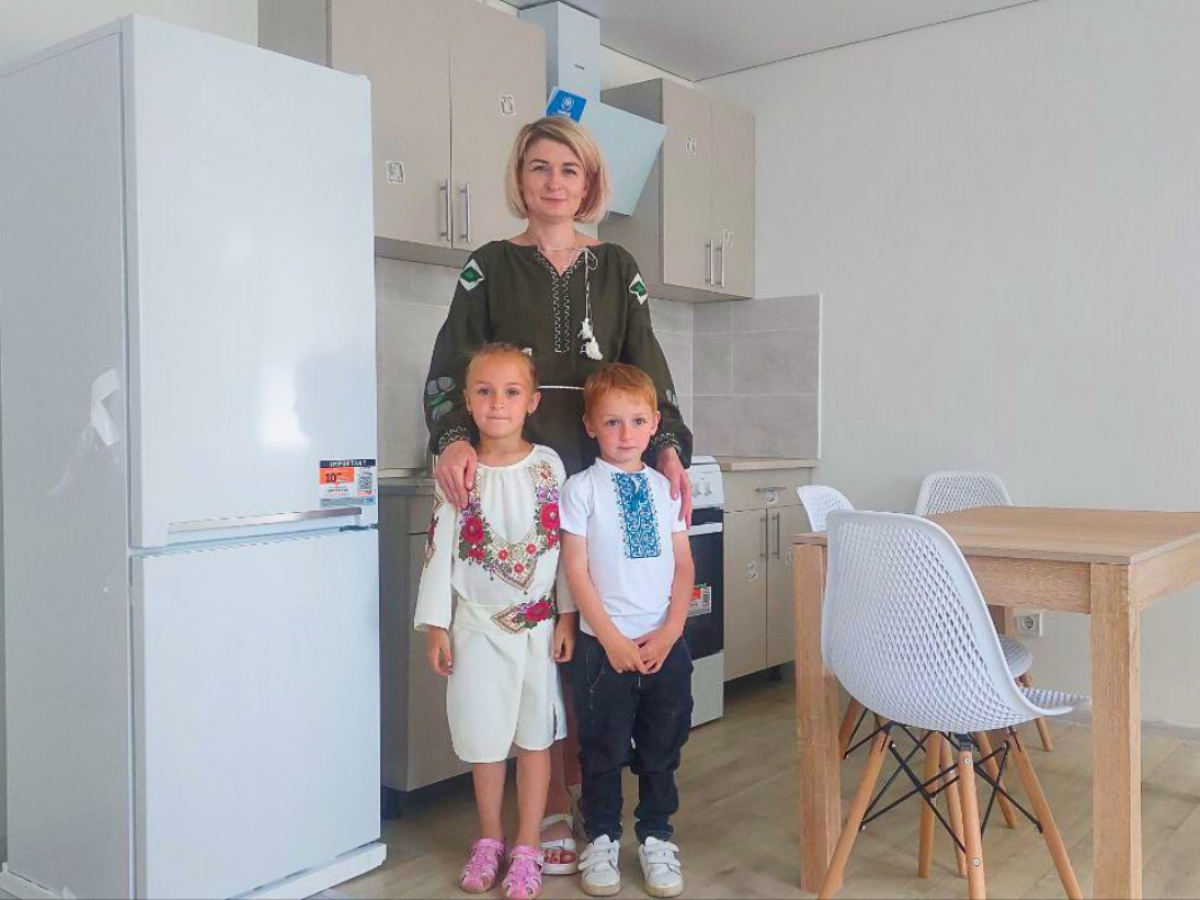 Photo: Olga with her children
In addition, following the Russian bombing of the Kakhovka dam, we are assisting affected communities in restoring their water supply. We provide specialised machinery, drill boreholes and install water towers.
Caritas Czech Republic continues its work in Ukraine
This year, we continue to focus our assistance primarily on healthcare and education to improve the living conditions for people in Ukraine. The situation there remains extremely difficult for locals who continue to face bombardment, electricity cuts, and other challenges related to the war. Therefore, our support is absolutely necessary.
At the moment, we are helping equip three community centres newly established in schools the Desnianskyi district in Kyiv. We are providing each centre with a generator, and we are also suppling them with folding beds, inflatable mattresses, thermos flasks and extension cables. The cost of equipping one centre is approximately CZK 200,000.
You can join us by donating to the Caritas for Ukraine fundraising campaign. We thank you for your efforts in showing Ukraine our solidarity.