
Ethiopia

Etiopia

Water is changing lives in southern Ethiopia

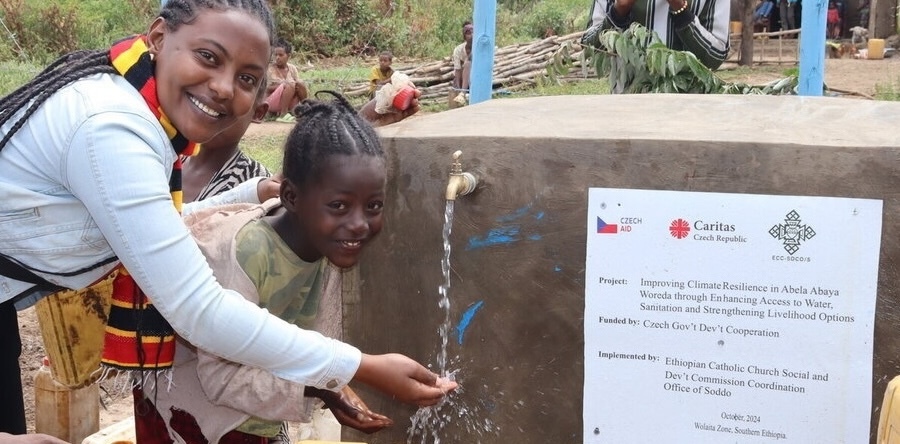
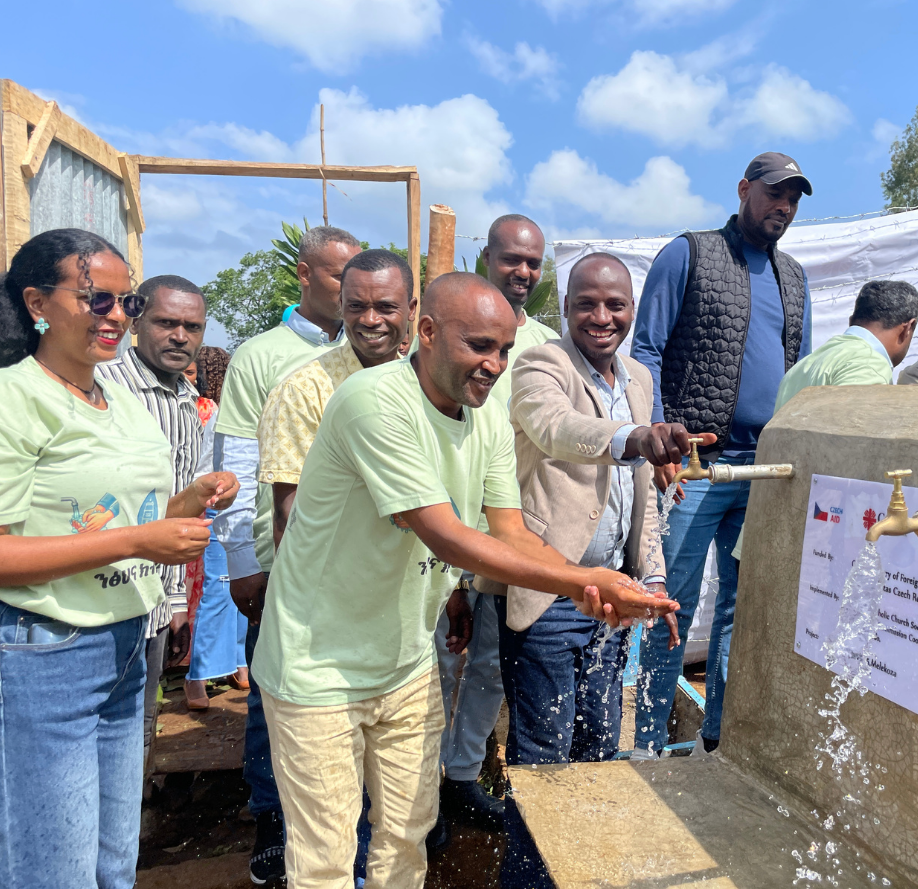
Ethiopia, like many other countries in Sub-Saharan Africa, faces the severe impacts of climate change, contributing, for example, to sudden natural disasters such as flash floods and landslides. Caritas Czech Republic is helping people in southern Ethiopia gain access to water while strengthening their climate resilience. We have also supported women by involving them in economic and community activities. At the same time, we are working to improve local hygiene and sanitation conditions. 
Why is help in Ethiopia still needed?

For many families, water scarcity is a daily reality. People spend hours searching for a safe water source, children often miss school because of it, and health problems caused by contaminated water threaten entire communities. Access to safe drinking water, hygiene, and healthcare is therefore essential for improving people's quality of life and strengthening the long-term resilience of local communities.

7 things you might not know about climate change

How Caritas Czech Republic helps

Access to water

Access to water

In cooperation with the local Caritas and the Ministry of Foreign Affairs of the Czech Republic, we secured a safe, reliable water source for village communities in southern Ethiopia. As a result, local people no longer have to spend long hours fetching water elsewhere and can be confident that clean water will not endanger their health. The maintenance of the water supply system was also entrusted to local committees made up of both women and men.

Support for healthcare

Support for healthcare

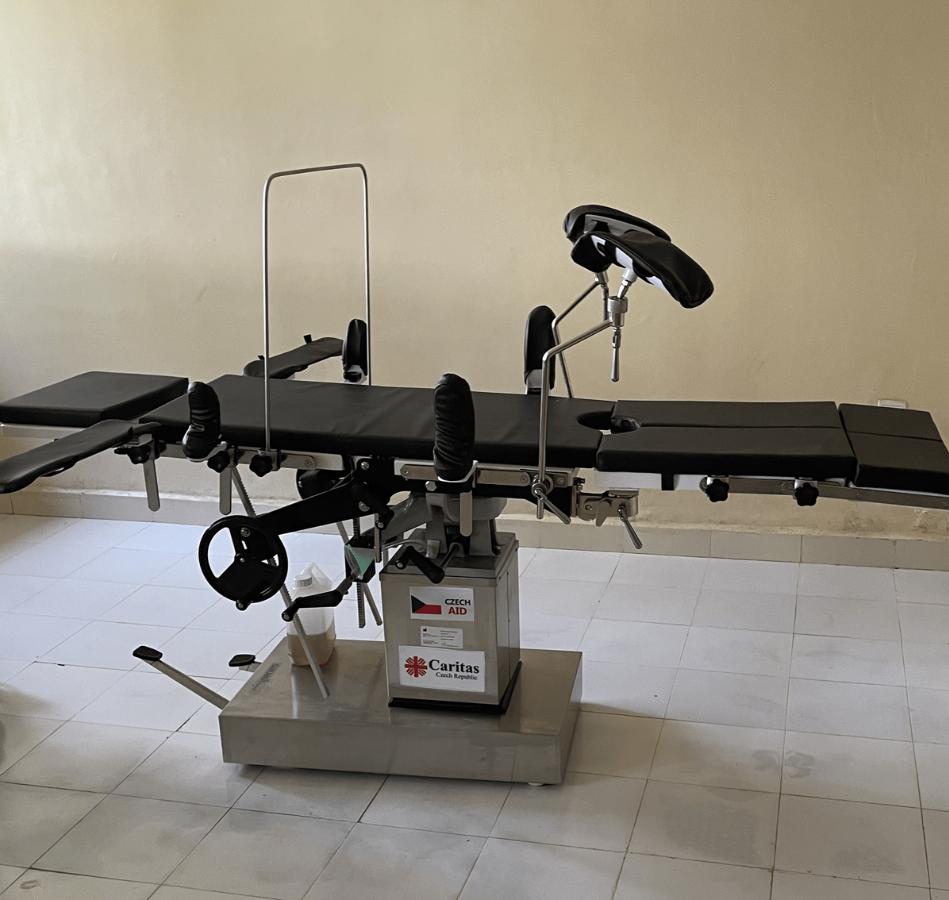
In cooperation with local partners, we contributed to strengthening healthcare services in southern Ethiopia – from equipping health facilities to training local healthcare staff. We succeeded in reducing the incidence of waterborne diseases, easing the burden on overstretched health centres, and shifting healthcare from responding to acute emergencies toward longterm prevention and improved health and resilience of the entire community. 

Articles

Fleeing within their own country – how Caritas supports refugees
June 15, 2026 News

Fleeing within their own country – how Caritas supports refugees

According to the World Health Organisation, 117.3 million people have been forcibly displaced from their homes. However, displacement takes many forms – 36.4 million have sought safety across borders, while 8.4 million are already abroad applying for asylum. In this article, on the occasion of World Refugee Day, which is commemorated annually on June 20, we take a look at displacement from several perspectives, showing the diverse stories behind the term and how Caritas Czech Republic’s international aid responds to them.

Conflicts out of the spotlight: 6 crises we tend to forget about in 2026
June 4, 2026 News

Conflicts out of the spotlight: 6 crises we tend to forget about in 2026

Armed conflicts, ceasefires during which civilians continue to die, and drone attacks in previously safe areas. At the moment, there are more active conflicts than at any time since the end of World War II. Half of those conflicts are taking place in Africa. Their consequences do not affect only the participating states, their residents or neighbouring countries; they impact the whole world, our economy, environment and peace of mind. But what crises and conflicts stay out of the media spotlight? We bring you six examples in this article.

Cost of global conflicts: How wars impact the lives of civilians and the world around us
April 9, 2026 News

Cost of global conflicts: How wars impact the lives of civilians and the world around us

Whether we talk about the deepening refugee crisis or the rise in global prices of oil and fuel, the current battles in the Middle East and other parts of the world show that conflicts do not stay within borders and their consequences are felt all around the globe. Wars affect civilians, the economy, the environment, and health systems. Moreover, the concerning news about international security and the suffering of innocent civilians worsens the well-being of many of us. Therefore, at the end of this article, you can read our advice on how to protect yourself from the constant waves of bad news