


June 15, 2026
News
According to the World Health Organisation, 117.3 million people have been forcibly displaced from their homes. However, displacement takes many forms – 36.4 million have sought safety across borders, while 8.4 million are already abroad applying for asylum. In this article, on the occasion of World Refugee Day, which is commemorated annually on June 20, we take a look at displacement from several perspectives, showing the diverse stories behind the term and how Caritas Czech Republic’s international aid responds to them.
On the run in a foreign country
Around one-third of people on the run seek refuge abroad. They cannot return to their home countries because of armed conflict, violence, or persecution. Many flee with only the bare essentials. Some escape with their families, while others are forced to leave loved ones behind, hoping to be reunited one day.
Life in a foreign country often presents numerous challenges – from language barriers to limited access to education and healthcare. According to Health Policy Watch, only one-third of the countries monitored by the World Health Organisation (WHO) provide refugees with universal health coverage and primary healthcare services.
Caritas Czech Republic supports refugees, for example, in Zambia, which, according to UNHCR, hosted 82,535 people last year. People fleeing unrest, including individuals from Burundi and the Democratic Republic of the Congo, seek refuge there. We help refugees integrate into everyday life, for instance, by providing training or business grants.
One of them is Elody, who, together with her sister, was abducted during an attack on their family in DR Congo. The sisters eventually escaped to Zambia, where Elody, then only thirteen, discovered she was expecting a child fathered by one of her captors. With financial support, she was able to open her own small grocery shop in the Meheba refugee settlement.
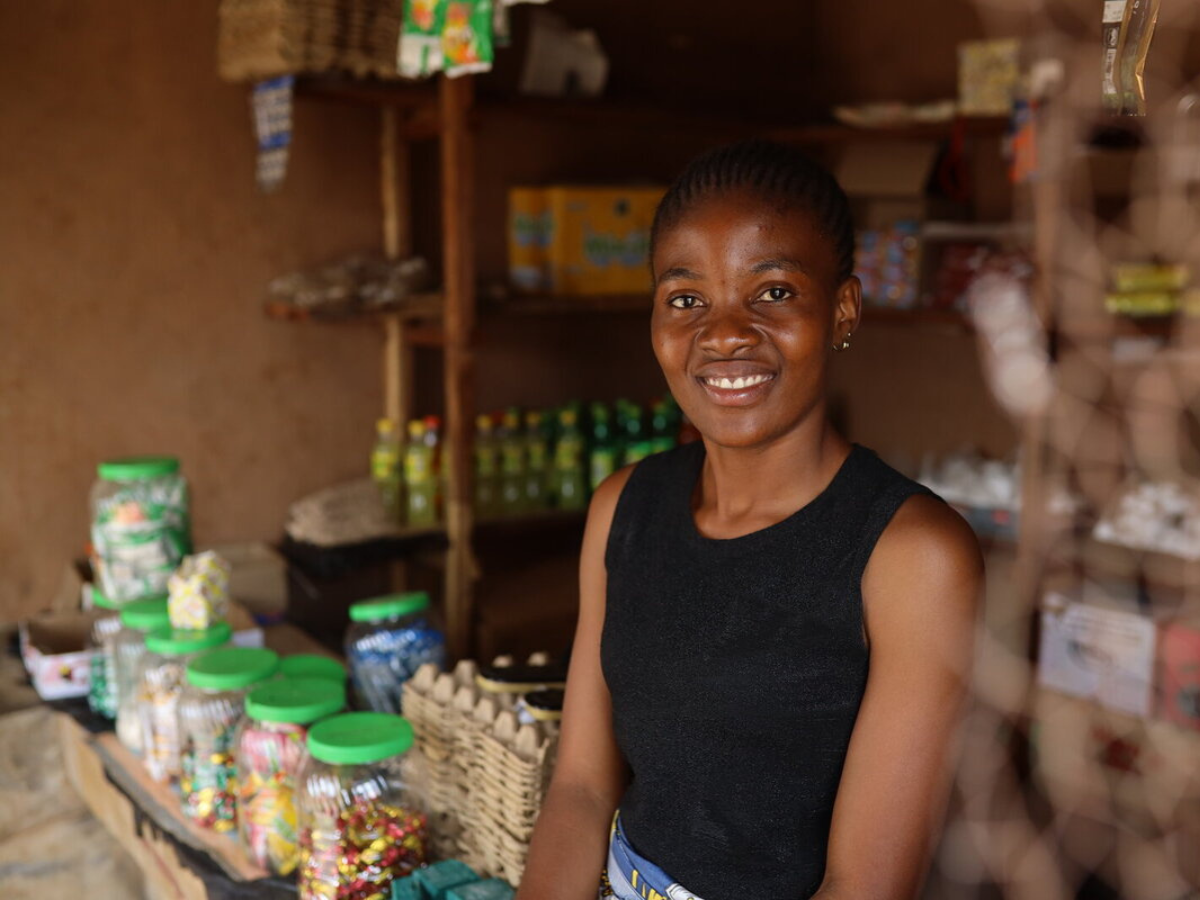
Photo: Elody
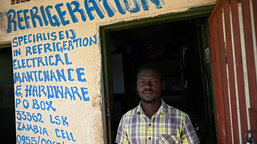
We also supported Nicholas, who was born in Zambia. Because his parents had come from DR Congo, he also was given refugee status. According to the WHO, 2.3 million children worldwide share a similar fate. Nicholas completed a six-month training course and later received financial support from Caritas, which enabled him to open his own workshop in Lusaka, where he repairs refrigerators and freezers.
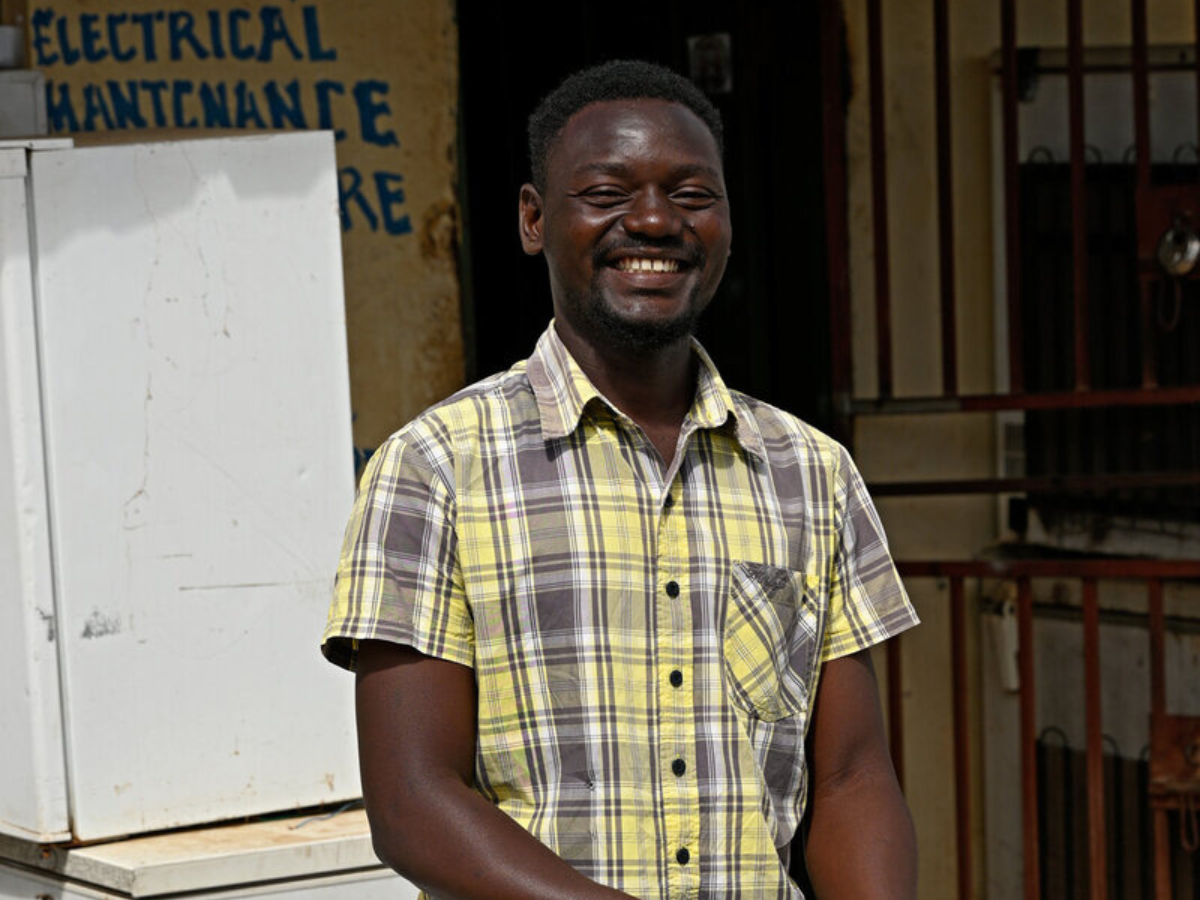
Photo: Nicholas
We also provide higher education scholarships to young refugees in Zambia through the DAFI programme, in cooperation with UNHCR.
Without the support of Caritas Czech Republic and the DAFI programme, I would not be where I am today,
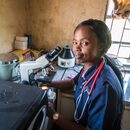
says Safina, a successful graduate. She fled to Zambia in 2017. Several years later, thanks to financial support, mentoring, and career guidance, she became an IT specialist who now supports other refugees on their academic journeys. “My experience has taught me the value of education and mentorship. I want to help others overcome the barriers that I once faced,” Safina explains.

Photo: Safina
Caritas Czech Republic also assists refugees from Ukraine who have settled in the Czech Republic. We provide them with professional social and legal counselling, interpreting services, and support with housing, employment, and school enrolment. Following the outbreak of the war in Ukraine, we also supported refugees crossing into Moldova. Among them was Tatiana, whom we assisted financially.
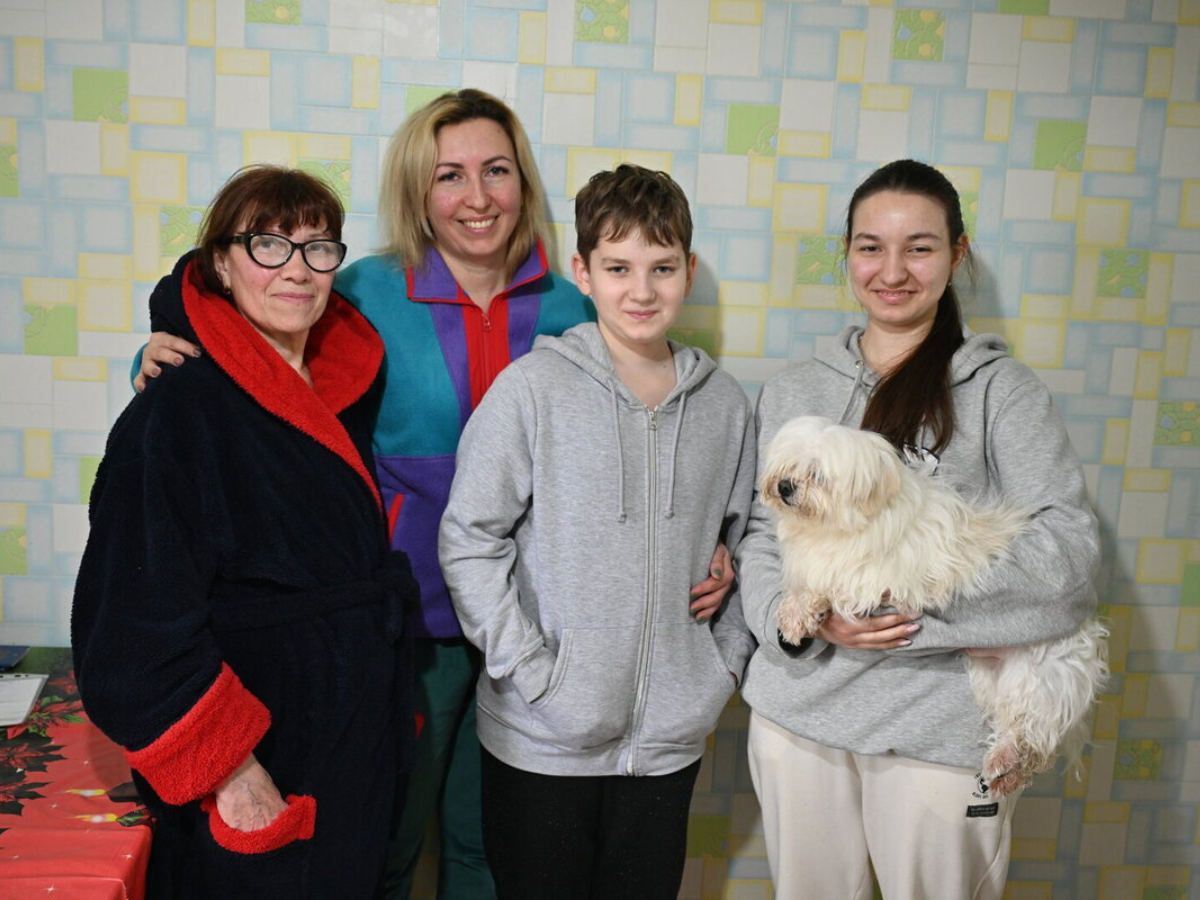
Photo: Tatiana with her family
On the run in their own country
We are also supporting those who have been forced to leave their homes due to Russia’s aggression against Ukraine but have settled temporarily in safer parts of their own country. For internally displaced persons in Ukraine, we have provided, for example, education and business grants to improve their chances of finding new employment or starting their own businesses.
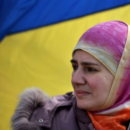
One of the recipients of our support is Tetiana, who fled with her family from Kharkiv to Uzhhorod. There, she began producing interactive children's books, which are now sold, among other places, in the United States. Thanks to financial assistance from Caritas, Tetiana was able to purchase new equipment and materials for production. Reflecting on her decision to start a business, she says:
I threw myself into the work. I cannot change the situation, but I can do something for people.
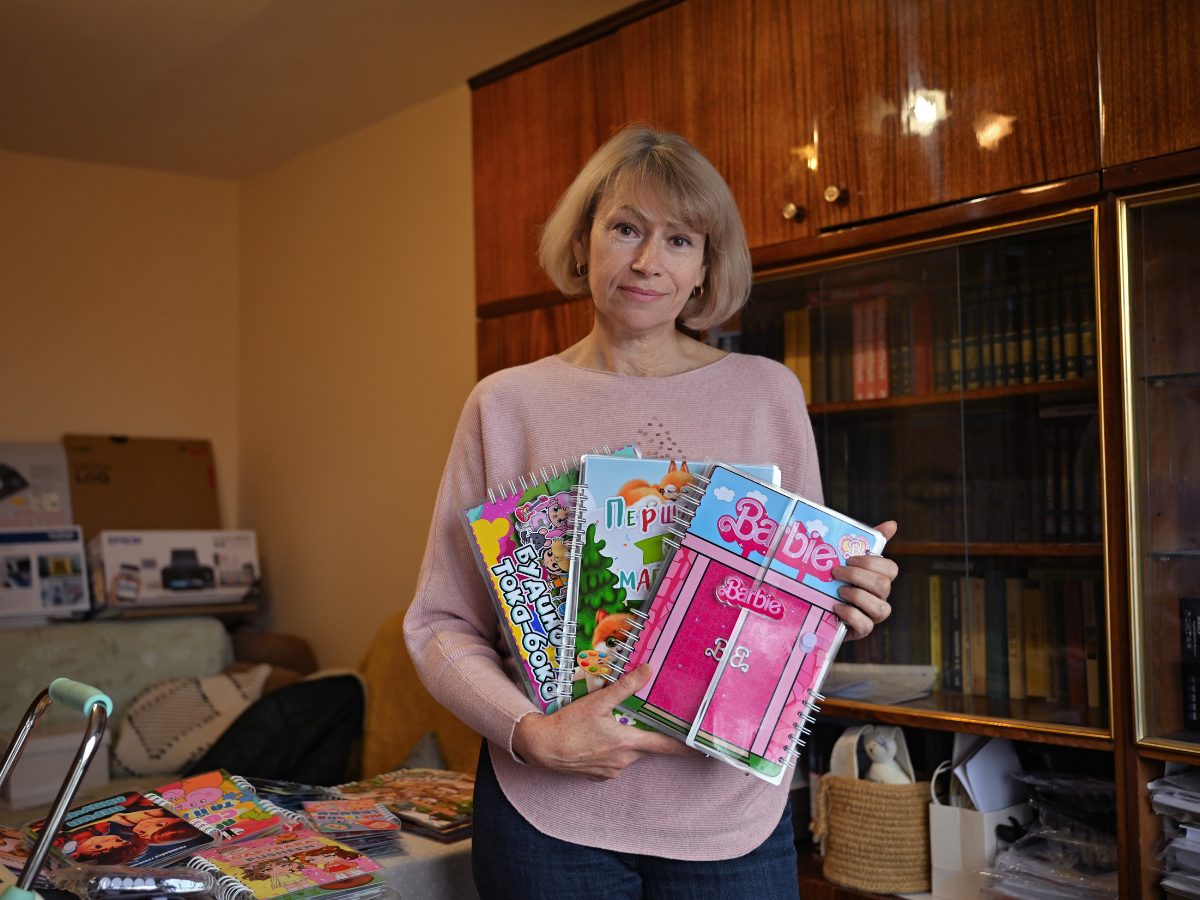
Photo: Tetiana
In addition to grants, we have helped equip refugee centres in the western part of the country. Last year, we repaired the windows of an accommodation facility for the displaced in Kryvyi Rih that had been damaged in Russian airstrikes. Thanks to this support, 120 residents, especially elderly people and those with disabilities, were able to stay warm during the winter while still letting in light and fresh air.
According to the Internal Displacement Monitoring Centre (IDMC), the number of internally displaced persons doubled between 2016 and 2025. Armed conflicts are one of the reasons people, often repeatedly, are forced from their homes. Natural disasters can also trigger multiple displacements. IDMC reports that in 2025, storms, floods, and other hazards caused 29.9 million cases of internal displacement. Wildfires are an increasingly pressing issue, having caused more than 694,000 cases of internal displacement last year alone.
A refugee and humanitarian crises are also unfolding in Ethiopia, where people are being displaced by both the impacts of climate change and violence in certain regions. However, according to IDMC, nearly half of the world’s internally displaced people are concentrated in just five countries: Sudan, Colombia, Syria, Yemen, and Afghanistan.
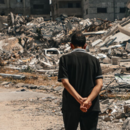
Caritas Czech Republic is also supporting internally displaced people in the Middle East. In Gaza alone, Israeli attacks have forced approximately 1.9 million people (90% of the population) from their homes. Of these, 1.2 million are children. Among them is little Rafah, who has lived with cerebral palsy since birth. Thanks in part to our support, she received a new wheelchair and medical shoes. In the Gaza Strip, we focus on providing psychosocial care, including essential individual assistance. You can support local residents by contributing to the Caritas for Gaza fundraising campaign.
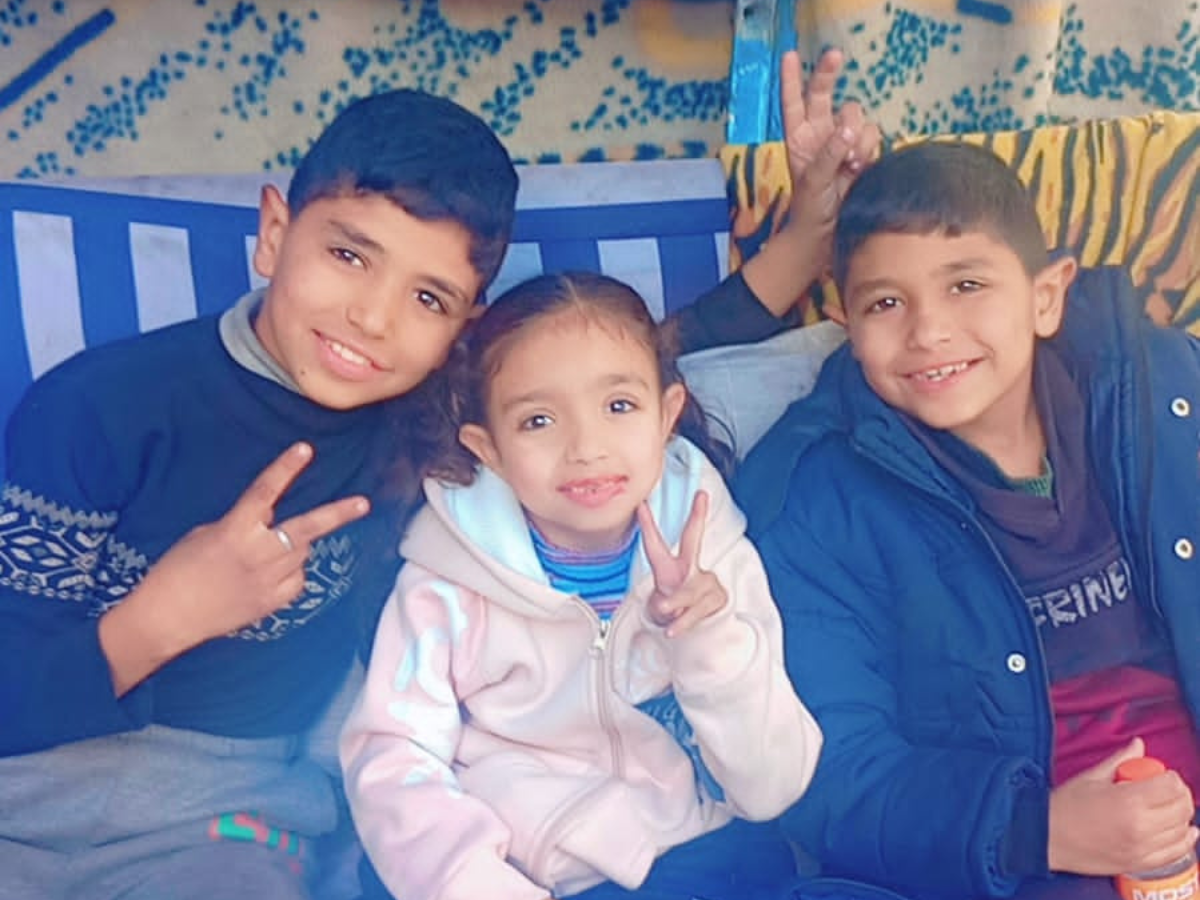
Photo: Rafah
We also support Caritas Lebanon, which provides basic necessities to people on the run. There are currently more than one million such individuals in the country. Caritas Lebanon distributes food packages, drinking water, hygiene kits, and medicines. It has also organised seven humanitarian convoys to isolated villages in the south of the country and opened a specialised emergency care unit in the town of Ain Ebel. You can support people in Lebanon by contributing to the Caritas for the Middle East fundraising campaign.
Returning home
It is from Lebanon, in the wake of the conflict in the Middle East, that some people are now fleeing to Syria. According to the UNHCR, more than 200,000 people crossed the border in the first month of the conflict alone. However, in the vast majority of cases, these are returnees who had previously fled Syria to escape the violence of the civil war.
According to UNHCR, two million people returned to their homes from abroad in the first half of 2025. Returns may occur after several months, years or even decades. Returning home is therefore not always easy. Challenges may include a lack of job opportunities or damaged infrastructure resulting from the very conflict people once fled.
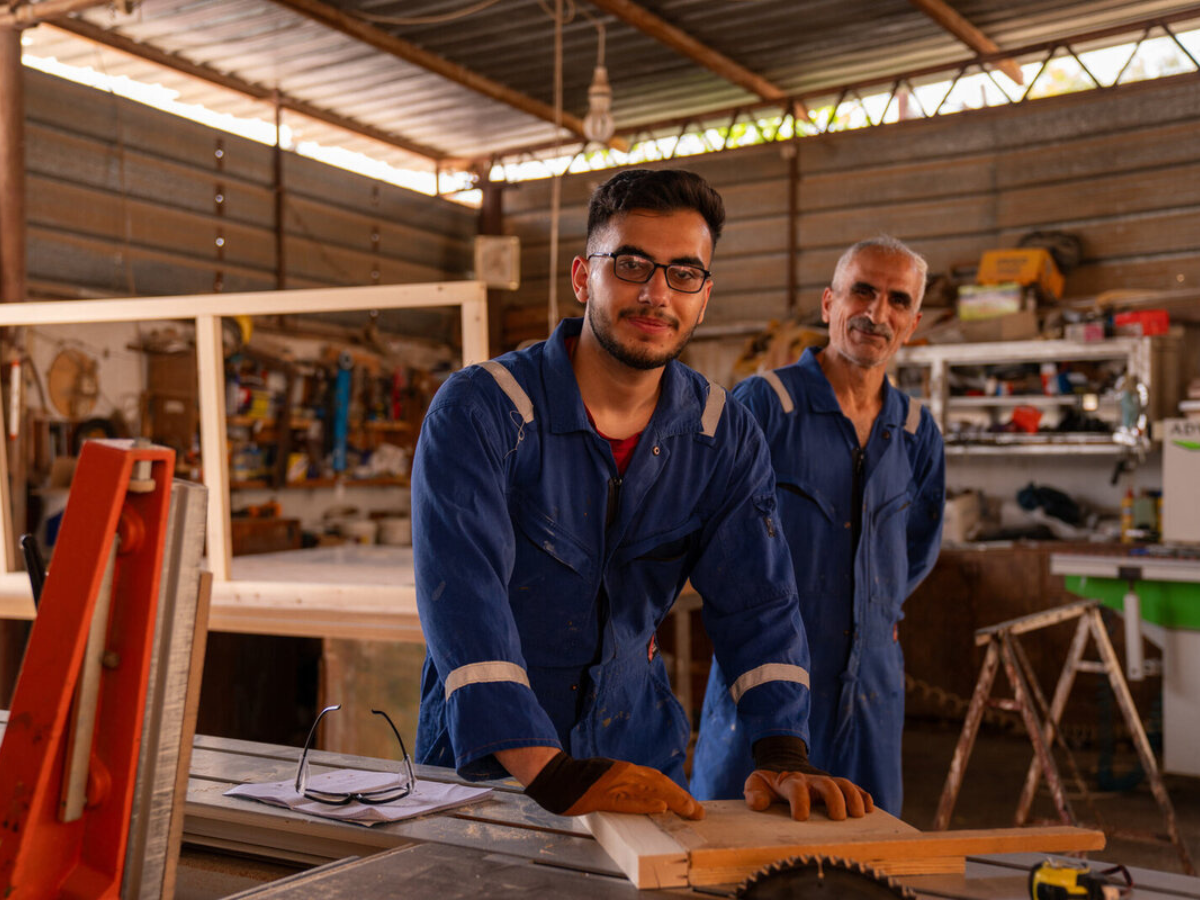
These were the stories of many people in Iraq whom we supported in the past as they worked to rebuild their lives. One of them was Rama, a carpenter who found it difficult to restart his business after returning from displacement. Thanks to Caritas Czech Republic, he was able to take part in business skills training and received financial support to purchase modern equipment and materials.
Photo: Rama with his father
The role of host communities
In the context of displacement, it is also important to highlight the role of host communities. Analyses by the World Bank indicate that the presence of refugees or internally displaced persons can have both positive and negative effects on these communities.
The arrival of refugees can stimulate economic activity, as consumption rises, potentially creating new opportunities for local residents. On the other hand, an influx of people can strain local resources and services. Host communities may face shortages of water or electricity, as well as overcrowded schools and healthcare facilities.
These effects are also evident in southern Ethiopia, where Caritas Czech Republic operates. The impacts of climate change are forcing communities to relocate to safer areas. However, this relocation has put strain on local residents, who were already dealing with a lack of resources even before the arrival of newcomers.
Partly in response, we were securing access to water in the region. For example, we supported Almaz, who no longer has to spend hours fetching water from elsewhere or worry about her children’s health, as they had often fallen ill from contaminated water.
Before, all my strength was spent on surviving. Now I can plan. I can dream. I can think about the future, not just today,
says Almaz.
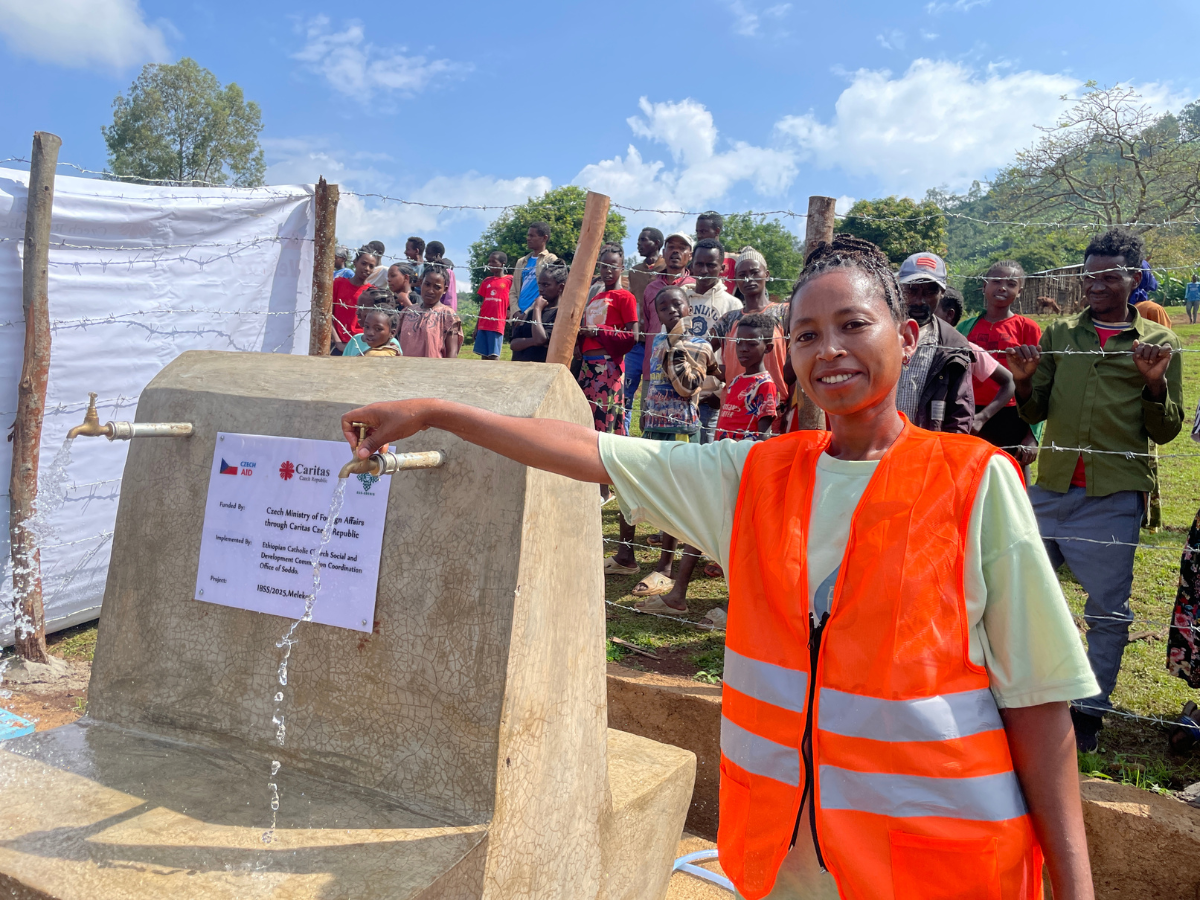
Photo: Almaz