


December 29, 2025
News
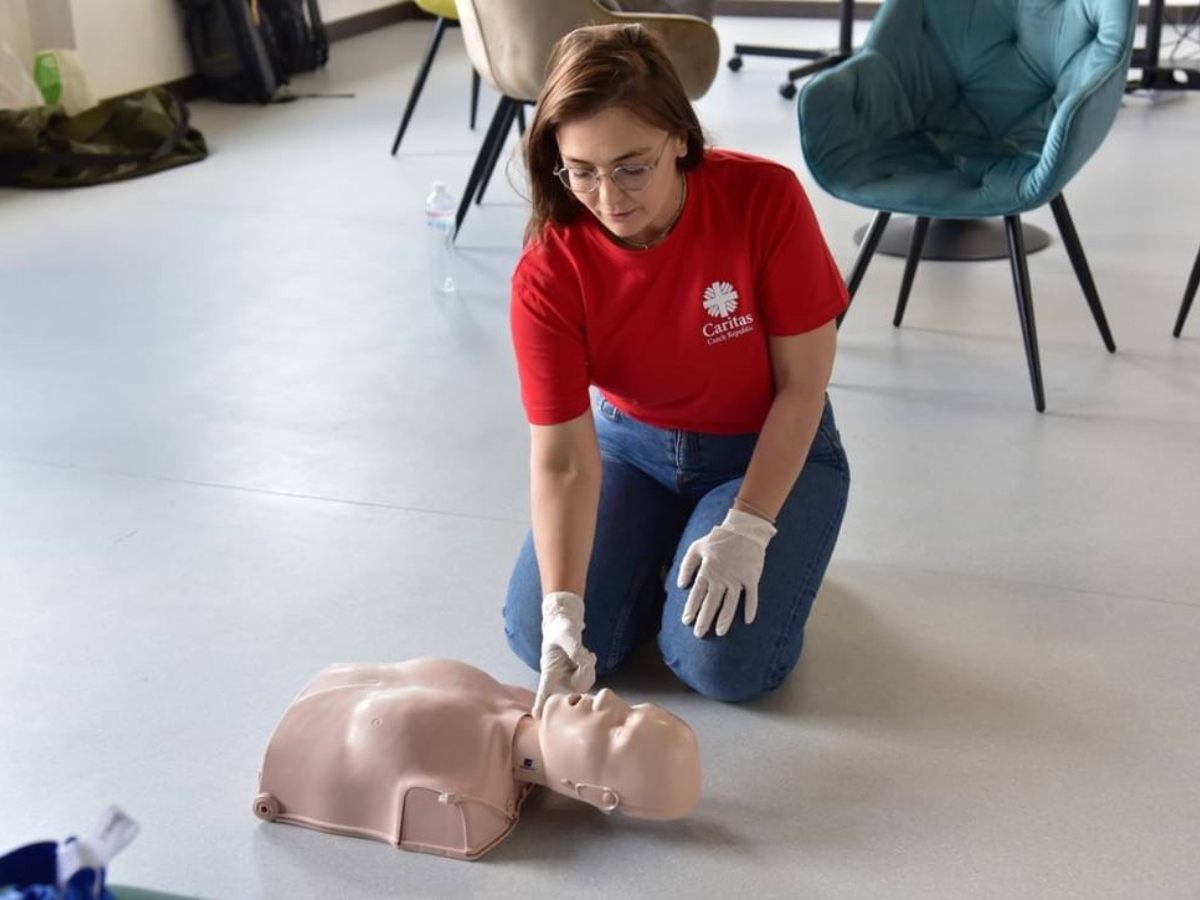
Helping others is only possible when those who provide the help are safe themselves. That is why Caritas Czech Republic places great emphasis on protecting its staff and creating a secure environment for their work. This year, we launched a systematic review and development of safety management within our humanitarian and development programmes. The aim of this strategy is to prepare staff for potential crisis situations arising from security threats and accidental or natural risks. According to Kristýna Kvasničková, Learning & Policy Coordinator, safety standards were updated this year at Caritas Czech Republic’s offices in Ukraine and Zambia. In the coming year, these procedures will also be implemented in other regions where Caritas operates. This activity was funded by the Czech Aid.
Safety management tailored to the specific contexts of Caritas’s country offices
The initiative to establish new safety standards arose from the need to update outdated documentation. “We are obliged to have safety documents in place for all our country offices, and this is an obligation that we meet. However, it is essential to work with these documents actively,” Kristýna explains. In addition to Ukraine and Zambia, the original strategy also covered Caritas Czech Republic’s headquarters in Prague. “While Ukraine represents the context of a humanitarian conflict, our largest office in Zambia focuses primarily on development activities”, says Kristýna and adds that the contrasting nature of Caritas’s work in these two regions helped shape a strategy that can now be applied and adapted to other countries as well.
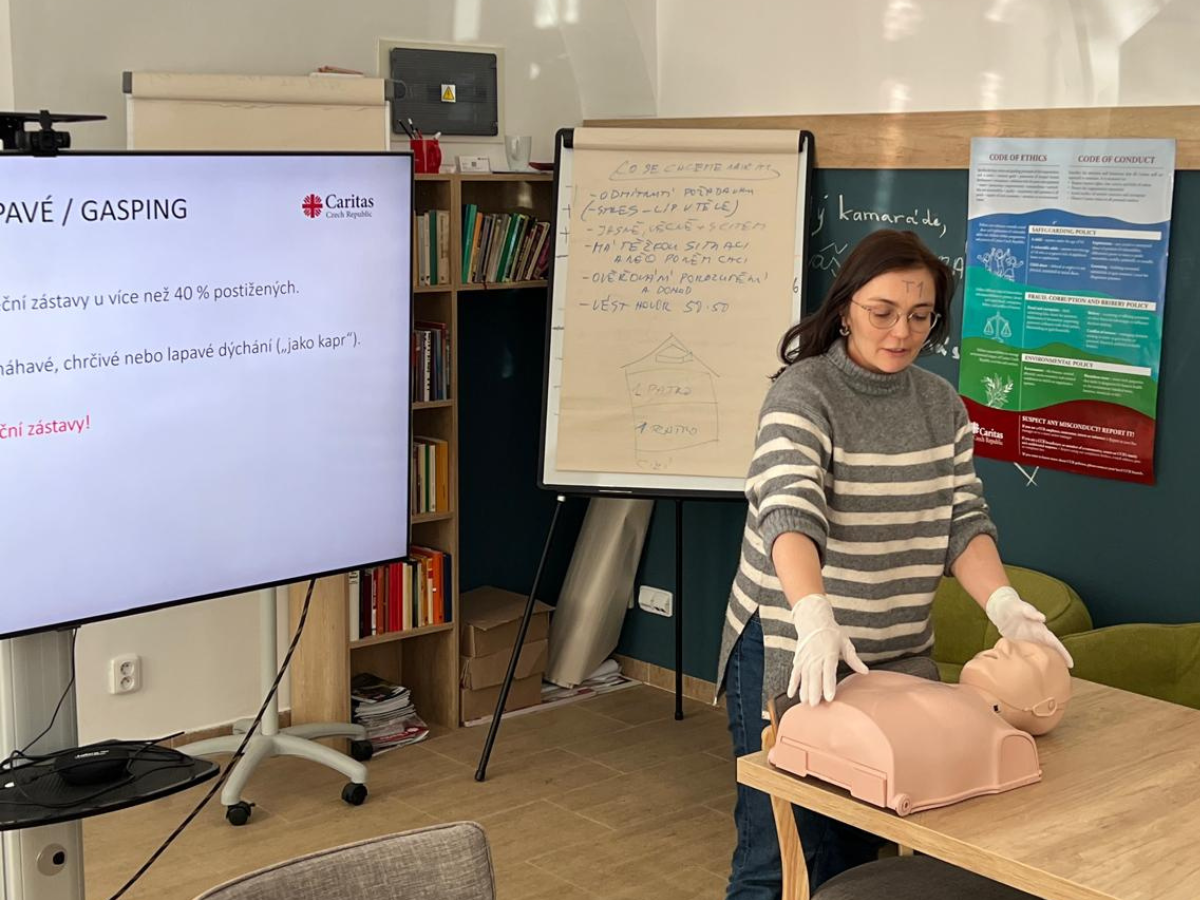
Photo: Kristýna during the training for Caritas's employees
In Ukraine, safety management focuses mainly on risks related to the ongoing conflict, including airstrikes, movement near the frontline, disruptions to critical infrastructure, and the psychological strain on workers. In Zambia, the emphasis is placed more on operational and environmental risks, safety during field travel, and crisis preparedness in remote areas. In both cases, the process involved systematic risk identification, assessment, and the establishment of realistic measures to mitigate their impact.
Setting standards and training workers
This year, Kristýna and Vít Kraus, National Emergency Coordinator, visited both countries. “We spent two weeks in Ukraine and a little over three weeks in Zambia. We worked closely with the local teams, mapping realistic working practices, decision-making processes in crisis situations, and gaps in team preparedness,” Kristýna says. Following this, Kristýna and Vít delivered training focused on personal safety and first aid to both international teams. For colleagues in Prague, they also added travel safety training.
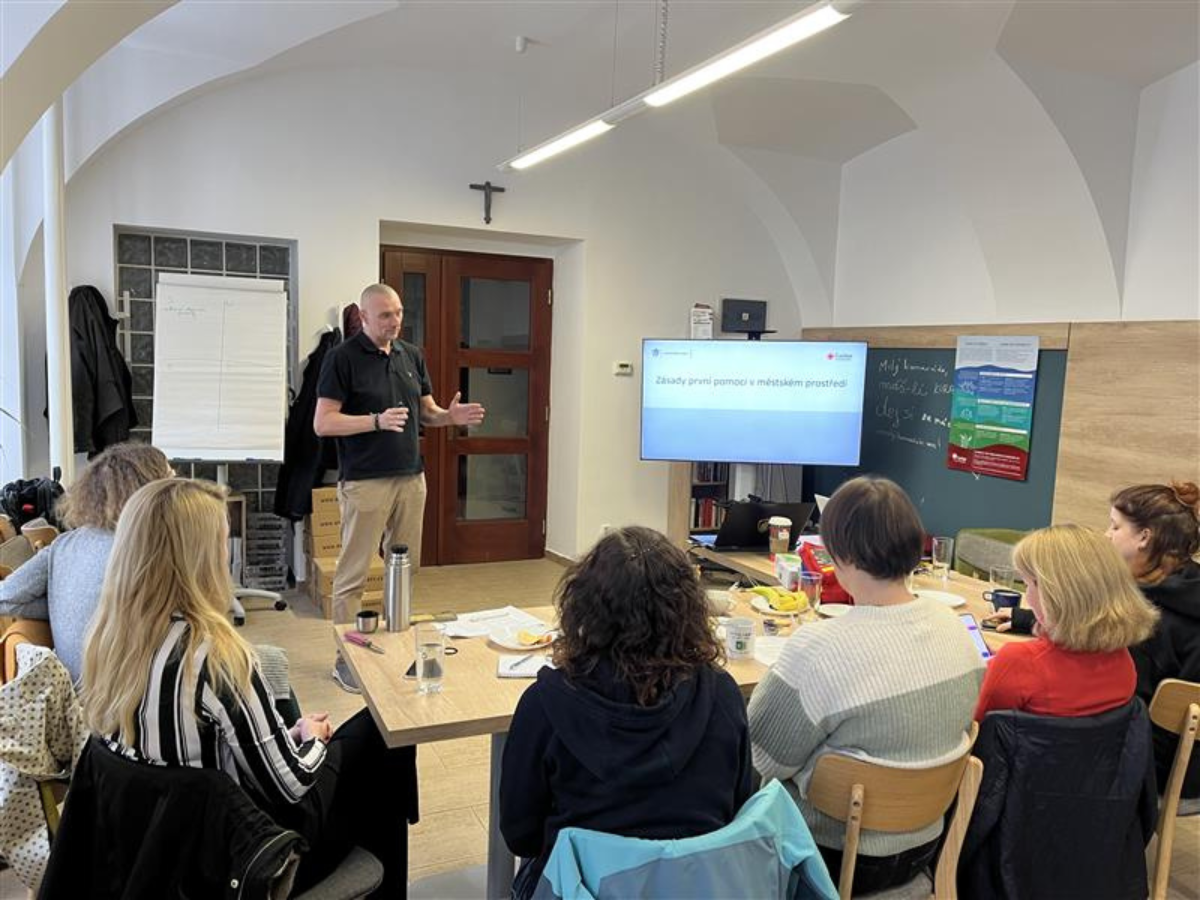
Photo: Vít during the training for Caritas's employees
We conducted the training very thoroughly — in small groups, to ensure it was practical and interactive,
Kristýna describes. Thanks to the project, Caritas Czech Republic was also able to purchase equipment for first aid training and field missions, such as first aid kits and tools for monitoring movement in the field, which support safe operations in high-risk environments.
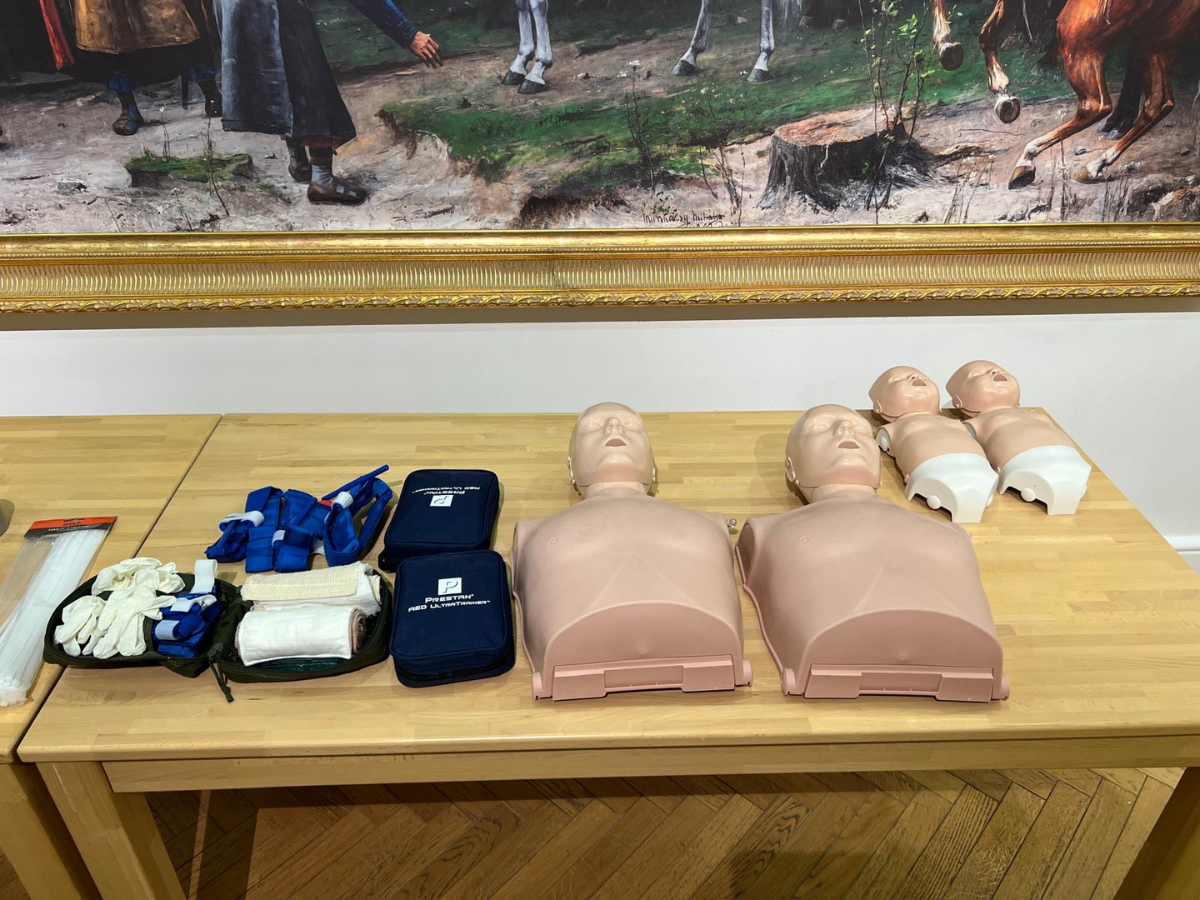
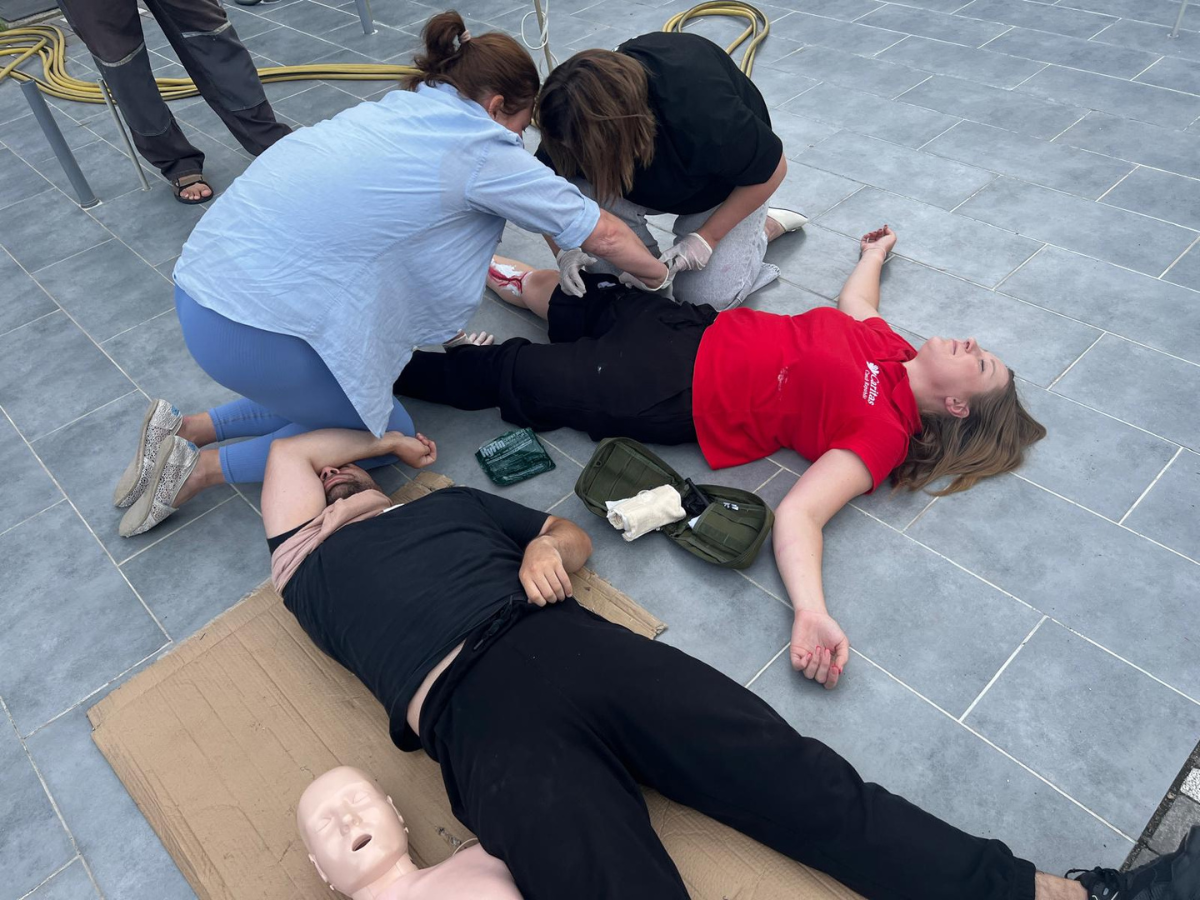
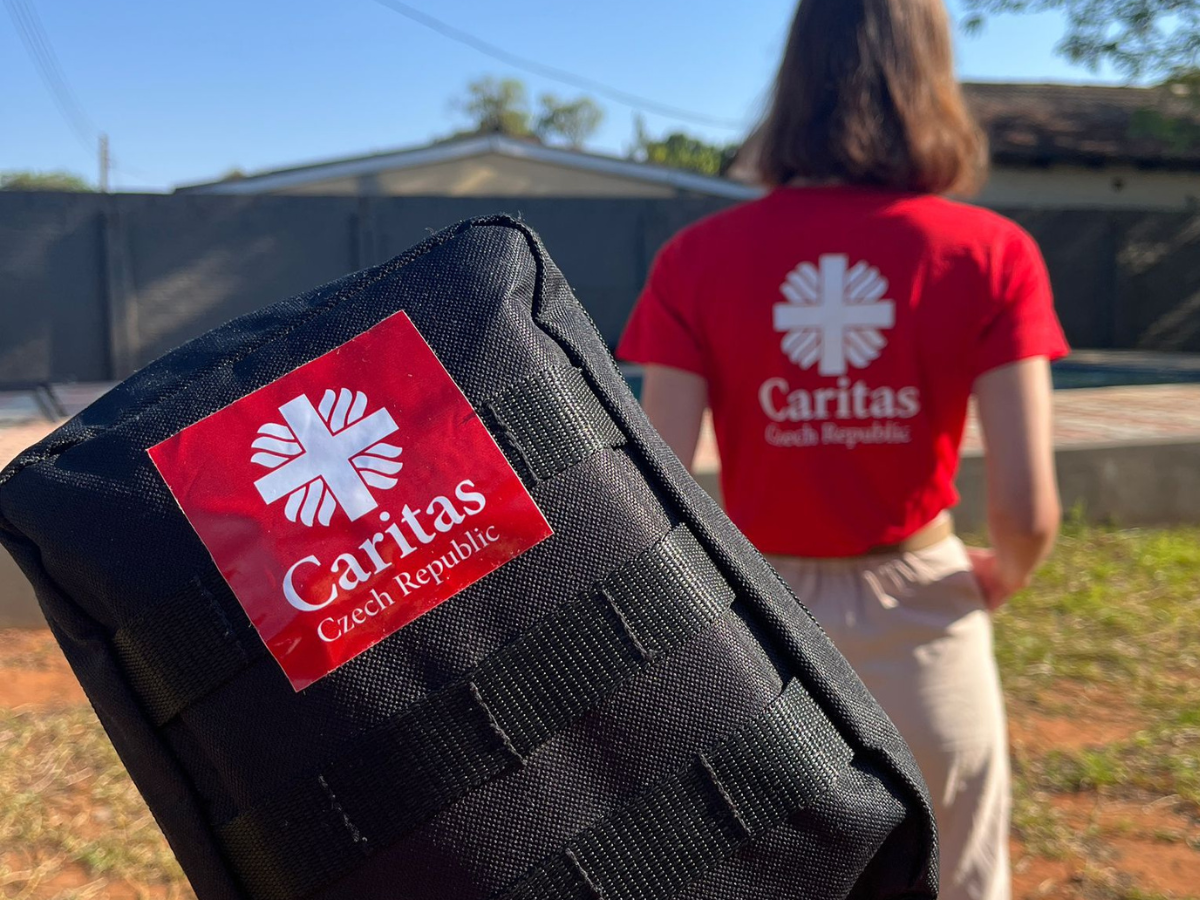
Photo: The charity emphasises the safety of its staff
Plans for the future
As part of the project, the Department of Humanitarian Aid and Development Cooperation has begun working on an e-learning platform and artificial intelligence programmes, which will be gradually introduced across Caritas’s other departments and international offices.
This is not a one-off activity, but a long-term process. Our goal is for safety not to be seen as a formal obligation, but as a natural part of every team’s work. Our next step is to embed the strategy fully and set standards that truly reflect the needs of individual offices and the people working on site,
Kristýna concludes.
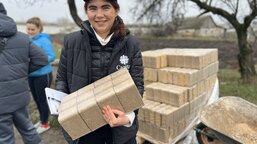
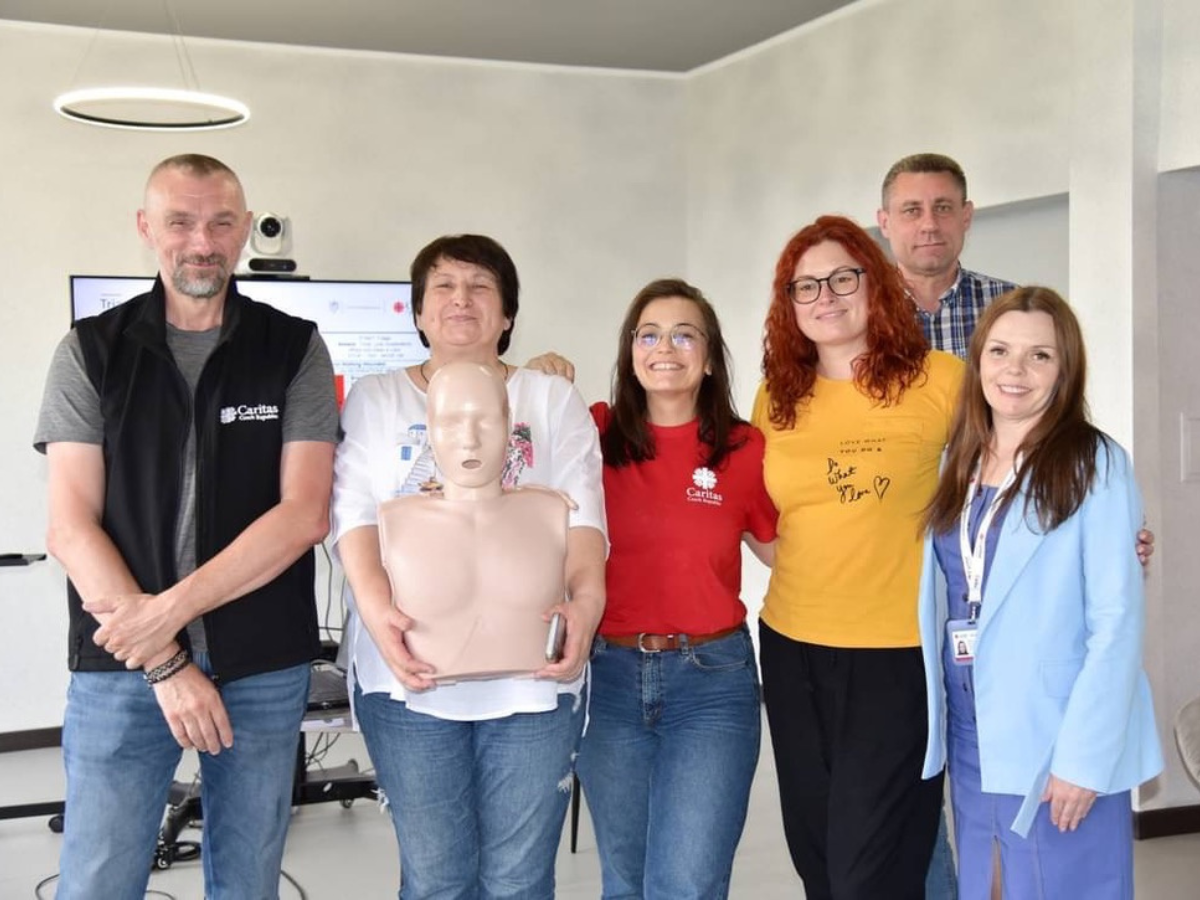 Photo: Kristýna and Vít with the team in Ukraine