


December 23, 2025
News
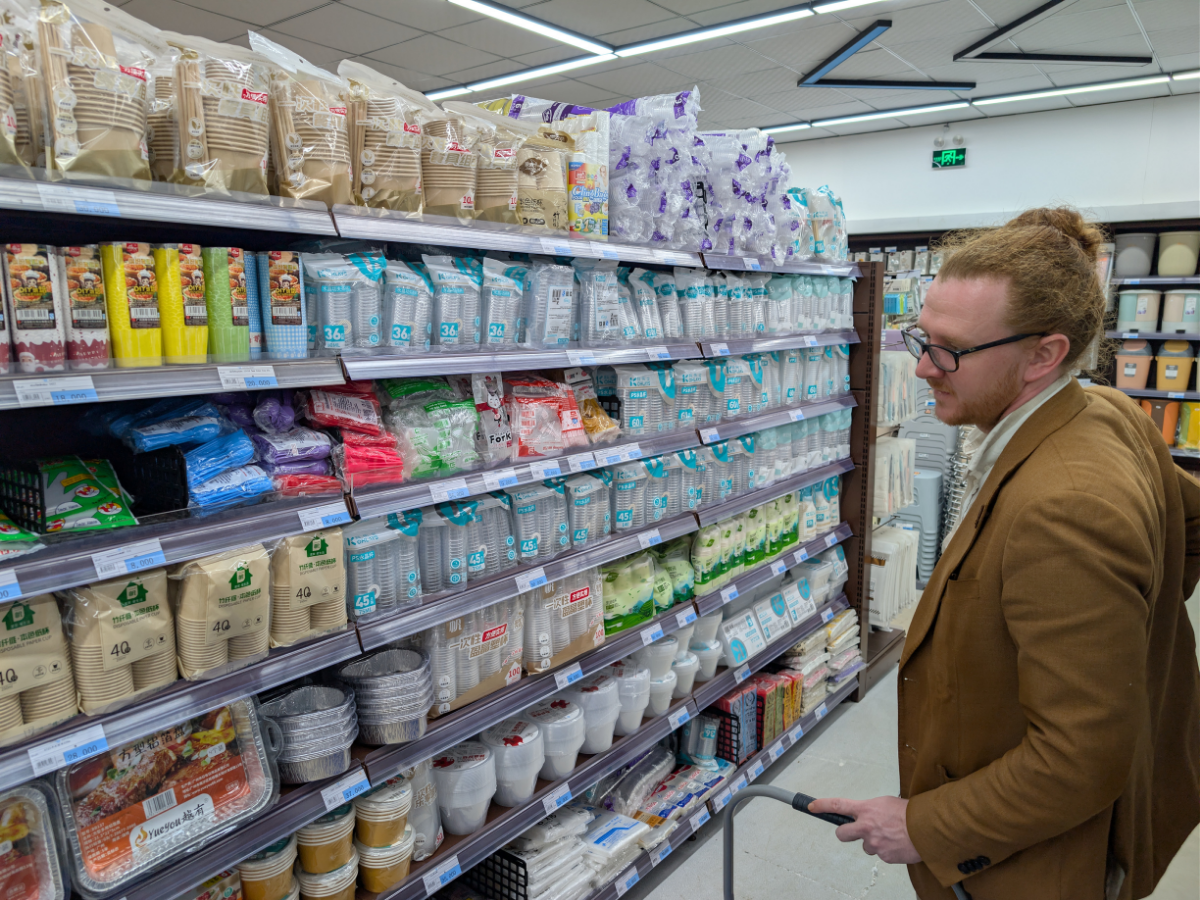
In the capital of Laos, the issue of emissions is so pressing that electric cars are being adopted here more rapidly than in Europe. Nonetheless, the country continues to grapple with the unsustainable problem of waste accumulation. Recently, experts from the BioResources & Technology Division, Faculty of Tropical AgriSciences at the Czech University of Life Sciences Prague (CZU) visited Laos. Supported by Caritas Czech Republic, the dean, Assoc. Prof. Dr. Hynek Roubík, Antoine Bercy, M.Sc. and Jan Staš, M.Sc., PhD, contributed to an analysis aimed at helping local institutions address the nationwide problem. Among all Southeast Asian countries, Laos has experienced the fastest growth in waste. However, the local infrastructure is unable to process it, says Hynek Roubík in an interview with Caritas Czech Republic.
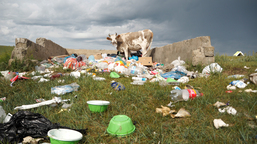
The problem in Laos is the capacity of the landfills
According to him, the issue stems from the past when the Western world sent its waste to the region. “There were countries that had processing facilities, and they were willing to take the waste and process it further. For example, China was a major recipient, as well as Indonesia or the Philippines,” states Roubík. But in recent years, the situation changed, which has had a significant impact primarily on Laos.
“It’s not that the garbage is lying around on the ground,” explains the dean.
The problem is the capacity of the landfills. This is the case with most environmental issues – they may be hidden, but they cannot stay hidden forever,
he adds. According to Roubík, the local administration recognised the trouble once much larger amounts of waste began to be sent to the landfills from the capital city of Vientiane, where the most waste was generated.
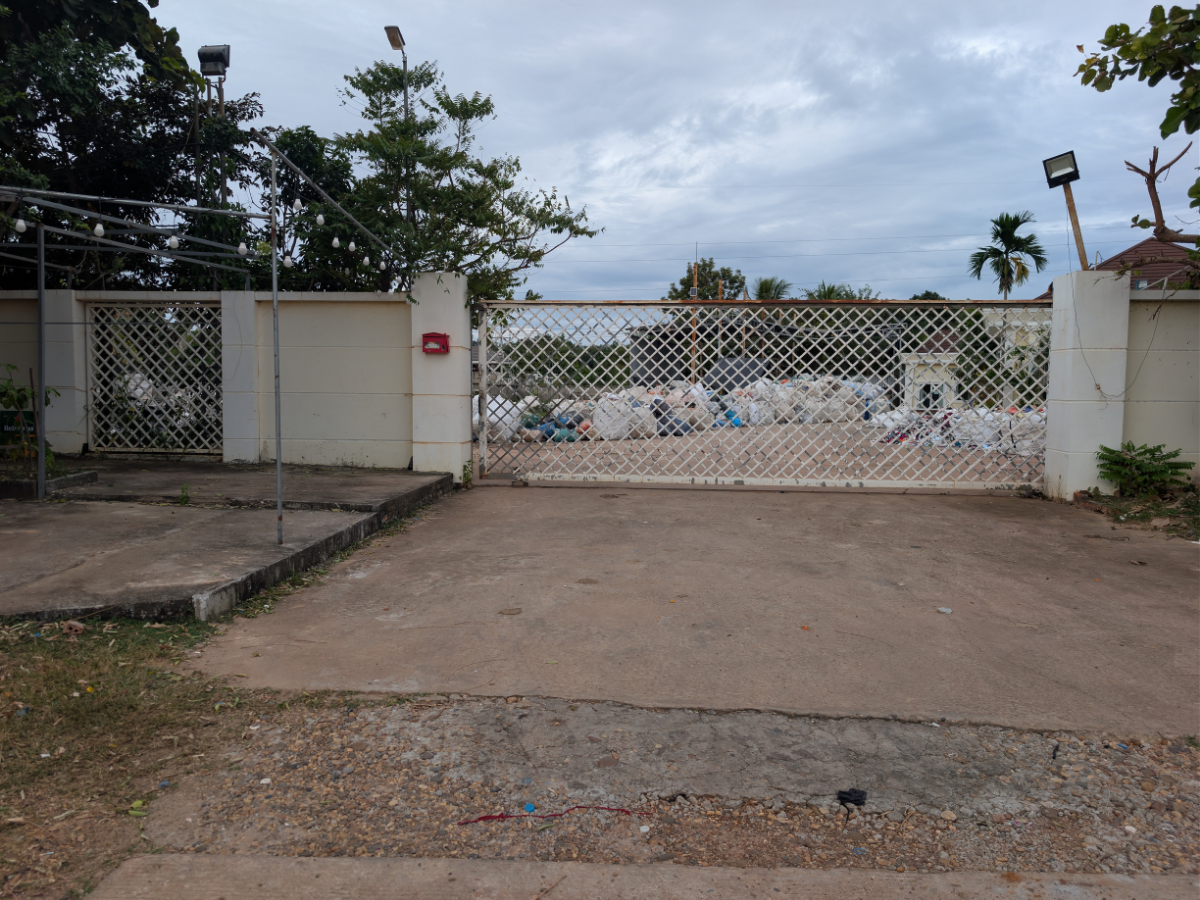
Photo: The problem in Laos is the capacity of the landfills
A major source of single-use waste is in small shops or restaurants
“In the capital city, various analyses are already underway. However, the rest of the country has no supporting data,” explains Roubík. Therefore, Czech experts focused on two pilot regions along the Lao-Thai border. “It is always better to start in specific regions and carry out a more thorough analysis, rather than begin across the whole country and do it broadly. We are trying to go in depth, identify the key problems, and propose optimal solutions that can then be implemented in other regions,” adds the dean.
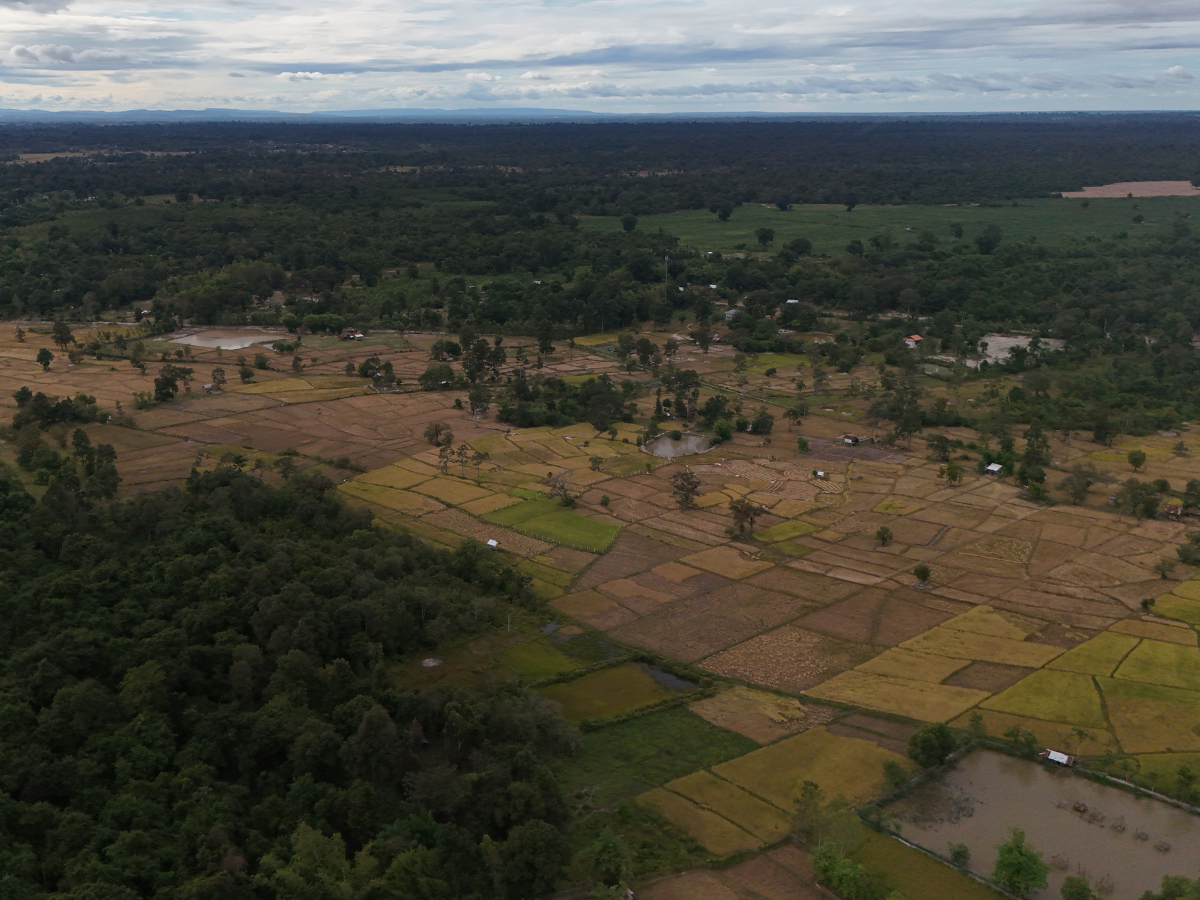
Photo: Laos
Roubík points out that the waste problem in Laos is perceived by people at all levels – from citizens to politicians. Czech experts focused mainly on consumers, but also paid attention to entrepreneurs. They collected data from local restaurants, hotels, and small establishments, where single-use waste is most concentrated.
A major source of single-use waste is in small shops that sell coffee, tea, or food packaged in numerous plastic bags,
says the dean. According to him, local people would like to address the problem, but at present, they do not know suitable alternatives.
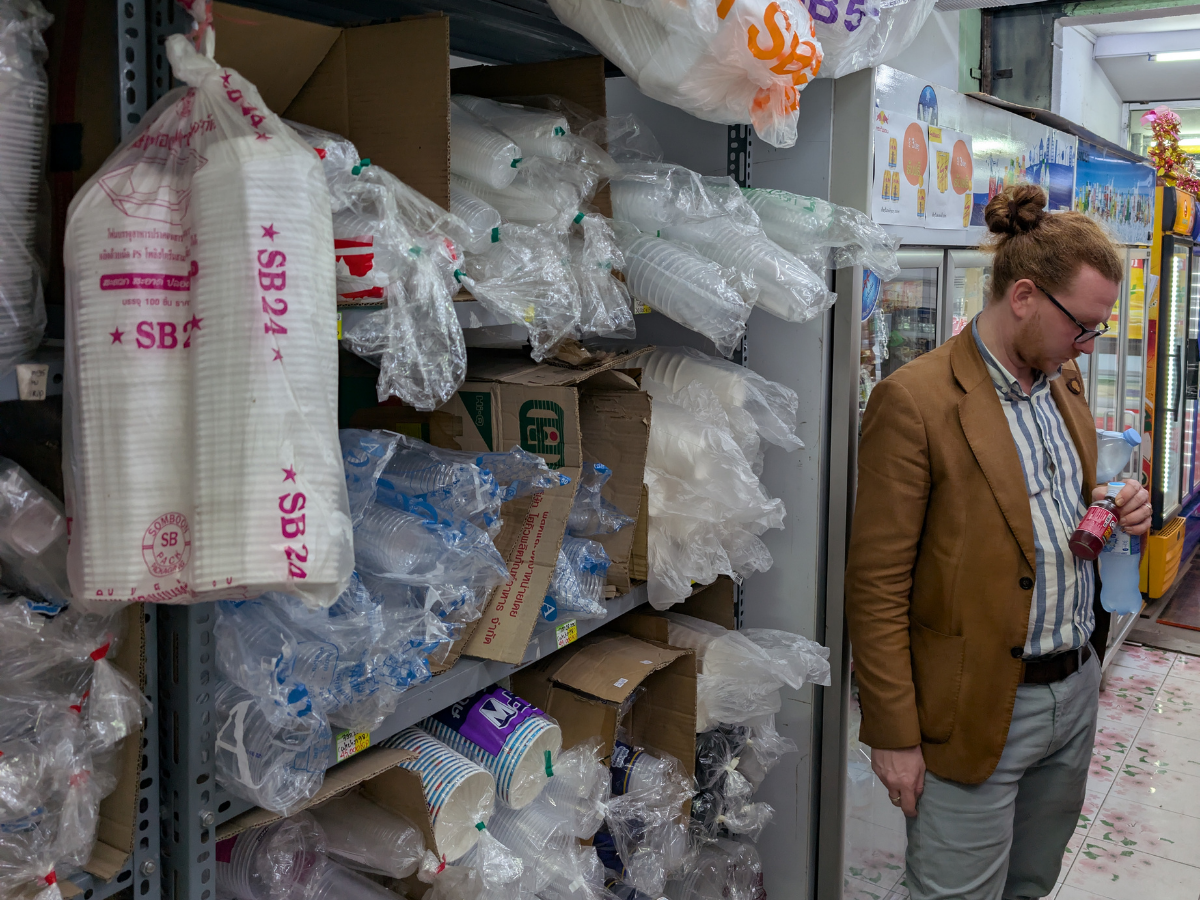
Photo: The dean, Assoc. Prof. Dr. Hynek Roubík, in a shop in Laos
The local university joined the project
The aim of the analysis being carried out by Roubík and his team is also to propose suitable and accessible alternative solutions that would minimise the use of plastic waste. “Whether these are everyday practical suggestions – meaning having a broader portfolio of alternative packaging materials – or technological solutions, such as what type of processing facilities would be needed and in which regions they should be located,” shares the dean.
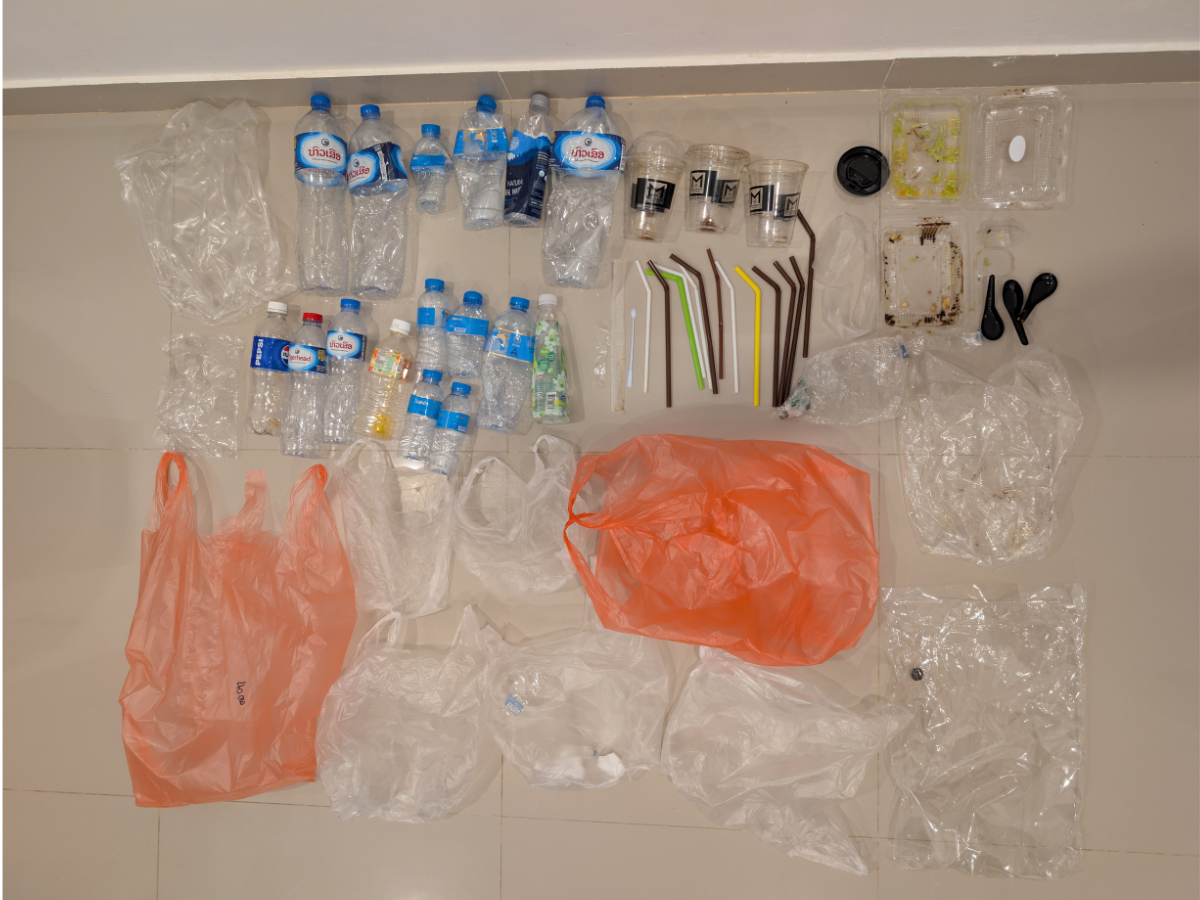
Photo: Waste that the Czech experts collected in Laos
After completing the analysis, the Czech team will aim to communicate its conclusions through local partners, primarily the organisation Catholic Relief Services and the Savannakhet University.
We involved the university in great detail, training a number of partners who subsequently collected data with us in the field,
explains Roubík, who also prepared a workshop for Lao colleagues to ensure the topic of plastic waste resonated as much as possible. “During our visit and as a result of our workshop, young colleagues began carrying a water bottle,” concludes the dean.
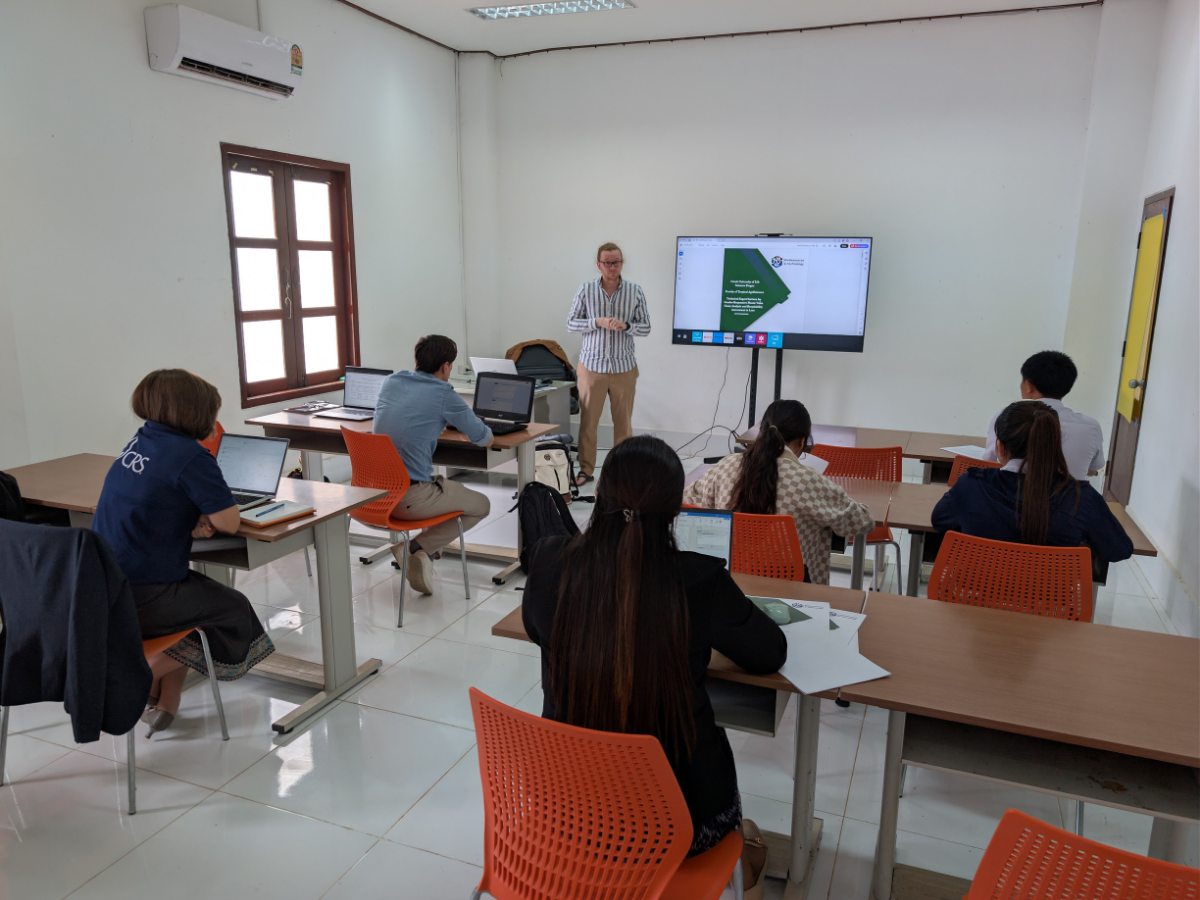 Photo: The dean, Assoc. Prof. Dr. Hynek Roubík, runs a workshop for local colleagues
The Faculty of Tropical AgriSciences at CZU is a workplace for experts from the Czech Republic as well as from abroad who are profoundly familiar with the problematics. They are involved in identifying problems and seeking solutions in other world regions, too. “Together with my research team, we have built more than a thousand biogas plants for handling organic waste,” shares Roubík.
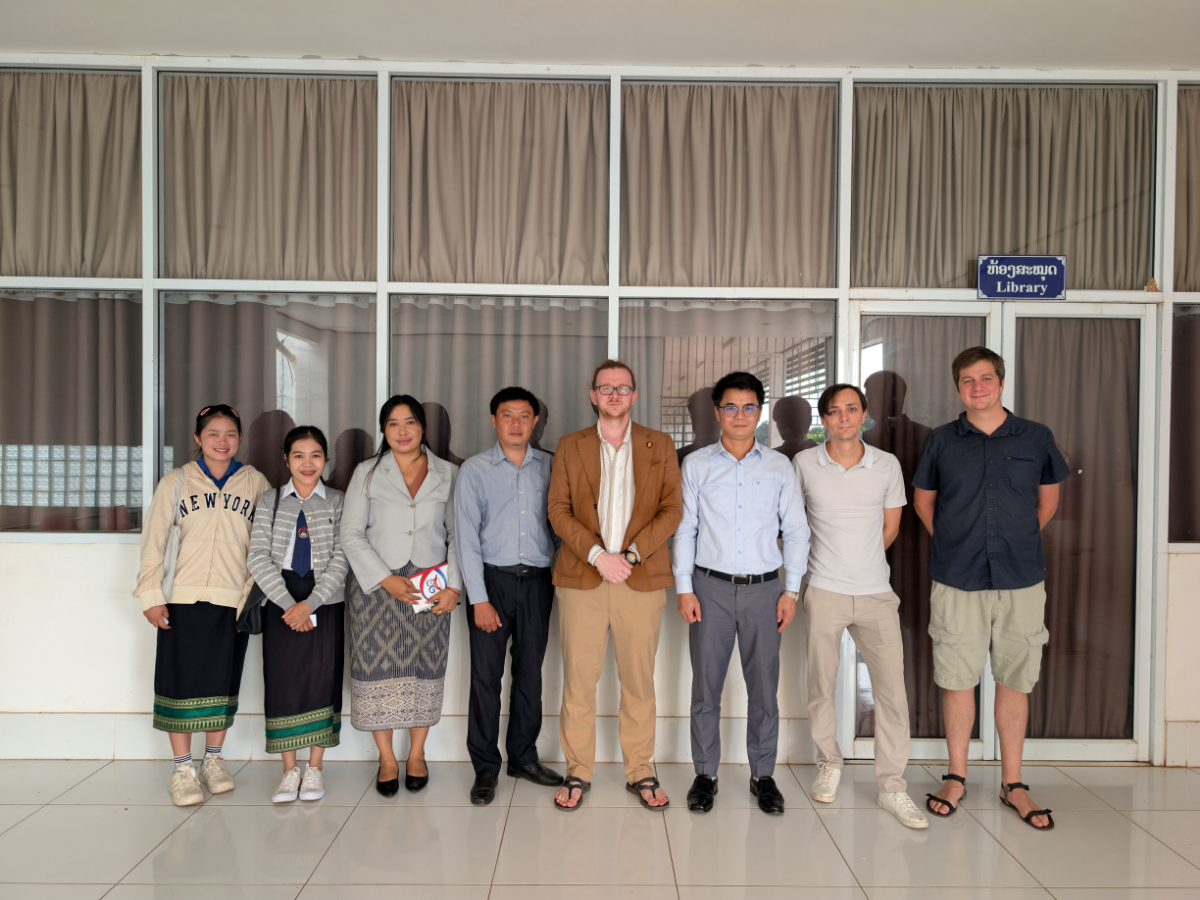 Photo: Czech experts in Laos
Caritas Czech Republic supported waste management in Mongolia
Caritas Czech Republic had previously focused on waste management as part of its activities in Mongolia. For example, the project „Sustainable Recycling of Plastic in Mongolia“ led to the adoption of nationwide regulations for plastic recycling. This expertise could therefore be applied in our work in Laos as well.