


December 9, 2015
Georgia
Jana Koprivňáková works as one of our volunteers in Georgia where she helps with administrative work. Recently, she visited the regions of Thuseti and Adjara, where Caritas Czech Republic runs several projects aimed at supporting traditional agriculture such as traditionally growing potatoes, wool production and planting fruit trees as a measure against erosion and landslides. Read about Jana’s experience.
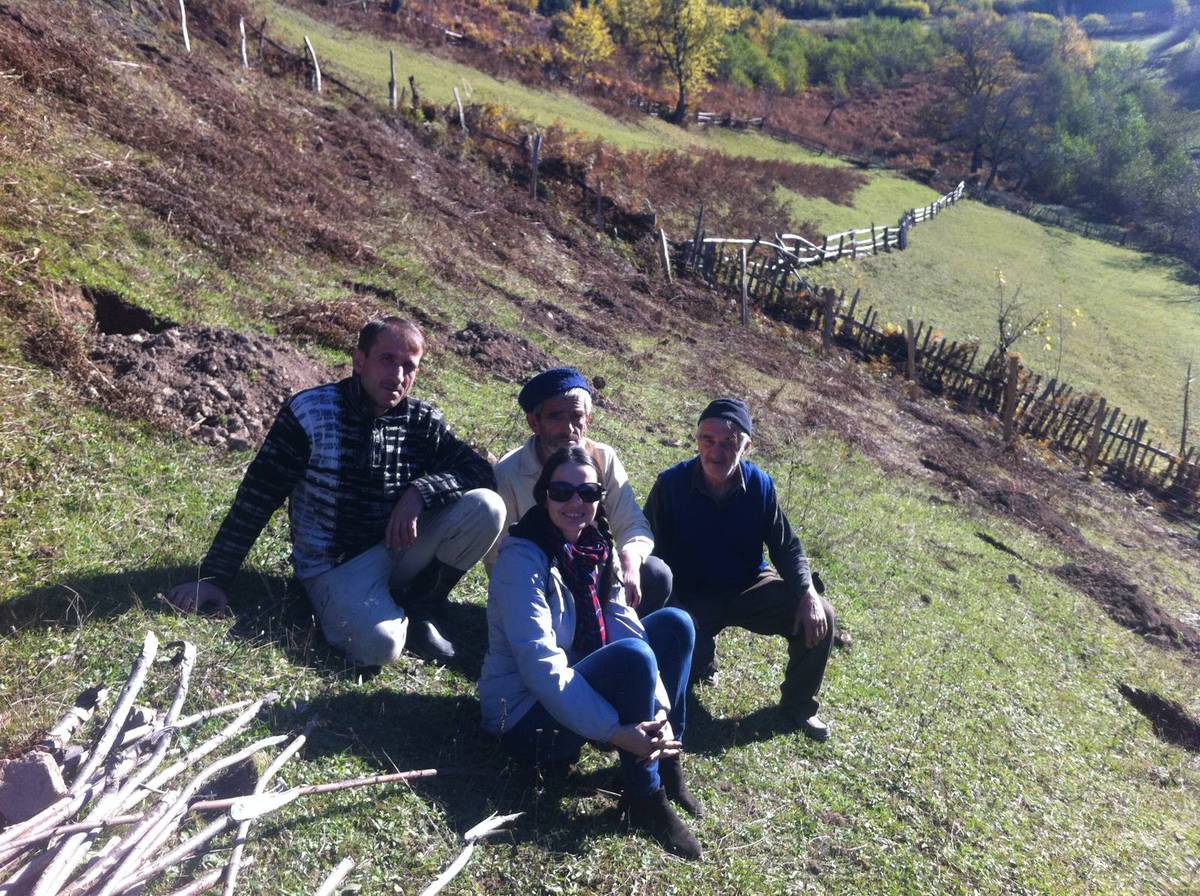 “At the end of September I visited the region of Thuseti where I participated in projects aimed at supporting traditional agriculture. I was accompanied by our programme manager Anzor Gogotidze, who was born in Georgia and who worked for a long time as the first administrator of the protected area of Thuseti. His extensive first-hand experience was particularly useful when we communicated with the local people who have lived in the mountains for hundreds of years, completely isolated from the rest of the country. Although the people we met generally distrust anything new, they are extremely hospitable and friendly towards foreigners. At the turn of the 20th century, they were forced to leave this part of country. There was no other possibility since life in this bleak area became too difficult for them. Now they are coming back and repairing their ancient tumbledown houses. They seek the possibility of keeping their traditional ways of life alive and are trying to motivate younger generations to continue living in this unique piece of land. Since the local government does not give them sufficient support, any help is welcomed. September is the last time we would be able to travel to Thuseti. All the wool had been processed and the potato crop had been picked up, even though it was smaller this year. Upon our arrival in Alvani, the central base and home of the local people during winter, we began planning new educational activities for managers, accountants and technicians.
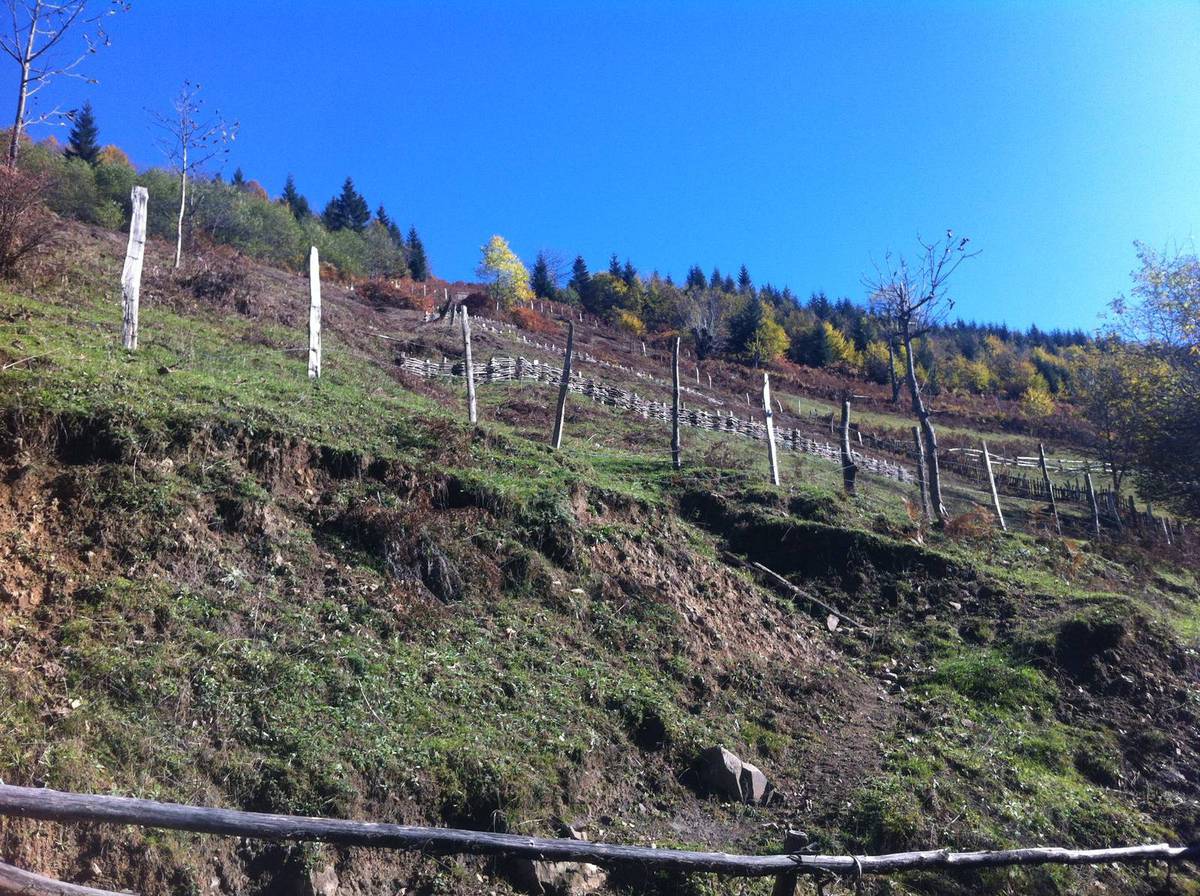
Another interesting Georgian region can be found at the opposite end of the country. Adjara, officially known as the Republic of Adjara, is best known for its multi-religious population. Here, Caritas CR focused on planting fruit trees and shrubs on slopes and terraces in the Khulo municipality. The head of the project Vojtěch Kubec, and I joined two other volunteers, specialists in geology and apiculture, and we visited the villages of Dioknisi and Didachara.
It felt like travelling years back in time. We looked for a sewer system in vain, the water piping was in a sorry state and the road was covered in layers of mud. Despite these adverse conditions, the local inhabitants, predominantly Muslims, were once again extremely welcoming and hospitable. We checked the terraces which were already built and partly planted with fruit trees. The bees were doing well and the grapevines and blackberry shrubs were already waiting for the first spring rays of the sun. It was impossible not to notice how strong-willed and hardworking the middle generation was. It was clear that they desire to preserve their traditional way of living and traditional agricultural production which is effectively the only possible way of livelihood for the locals.
Jana Koprivňáková was sent to Georgia by ADRA Slovakia organization, thanks to its partnership with Caritas CR which runs several projects in this country. Her stay was funded by SlovakAid.
See more pictures in gallery.