Situation in Lebanon
The current humanitarian situation in the country is deepened by the economic crisis that local people had already been facing before the conflict began. Poverty has reached historically unprecedented levels. Humanitarian assistance on site is hampered by insufficient funding or limited access to people in need of help.
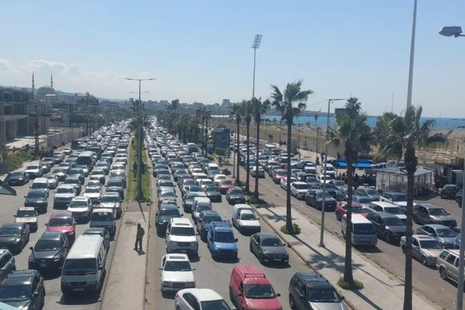
At the peak of the attacks, the displacement crisis exceeded 1.2 million internally displaced persons. However, a few days after the announced ceasefire, this number declined, with displacement centres reporting a 21% decrease in residents. According to data from April 22, 1,073,000 people were displaced, of whom 111,577 found shelter in 659 collective centres across the country. A total of 2,294 people were killed, and 7,544 were injured. Across Lebanon, more than 1,400 buildings were demolished.
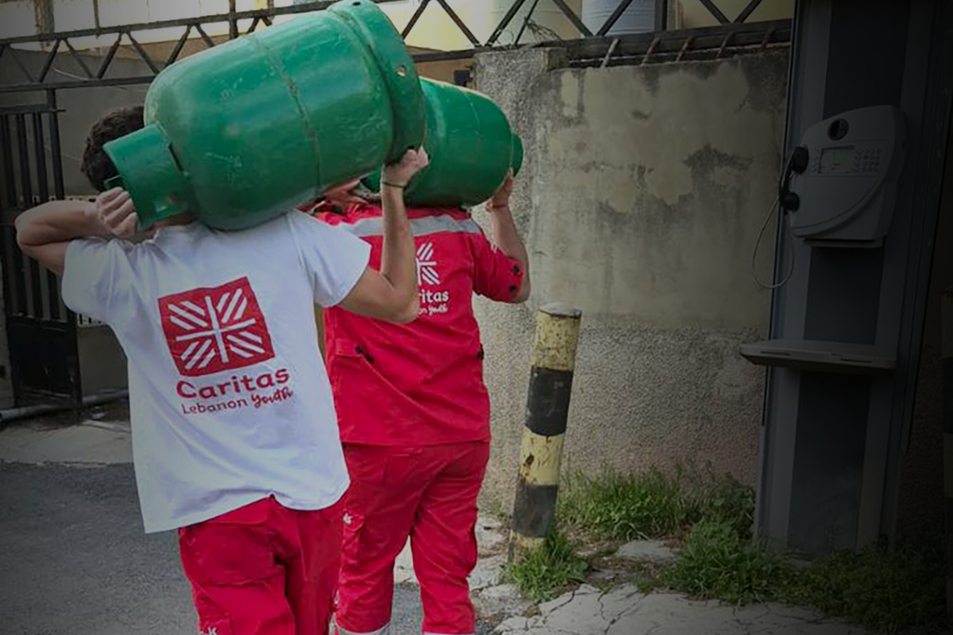
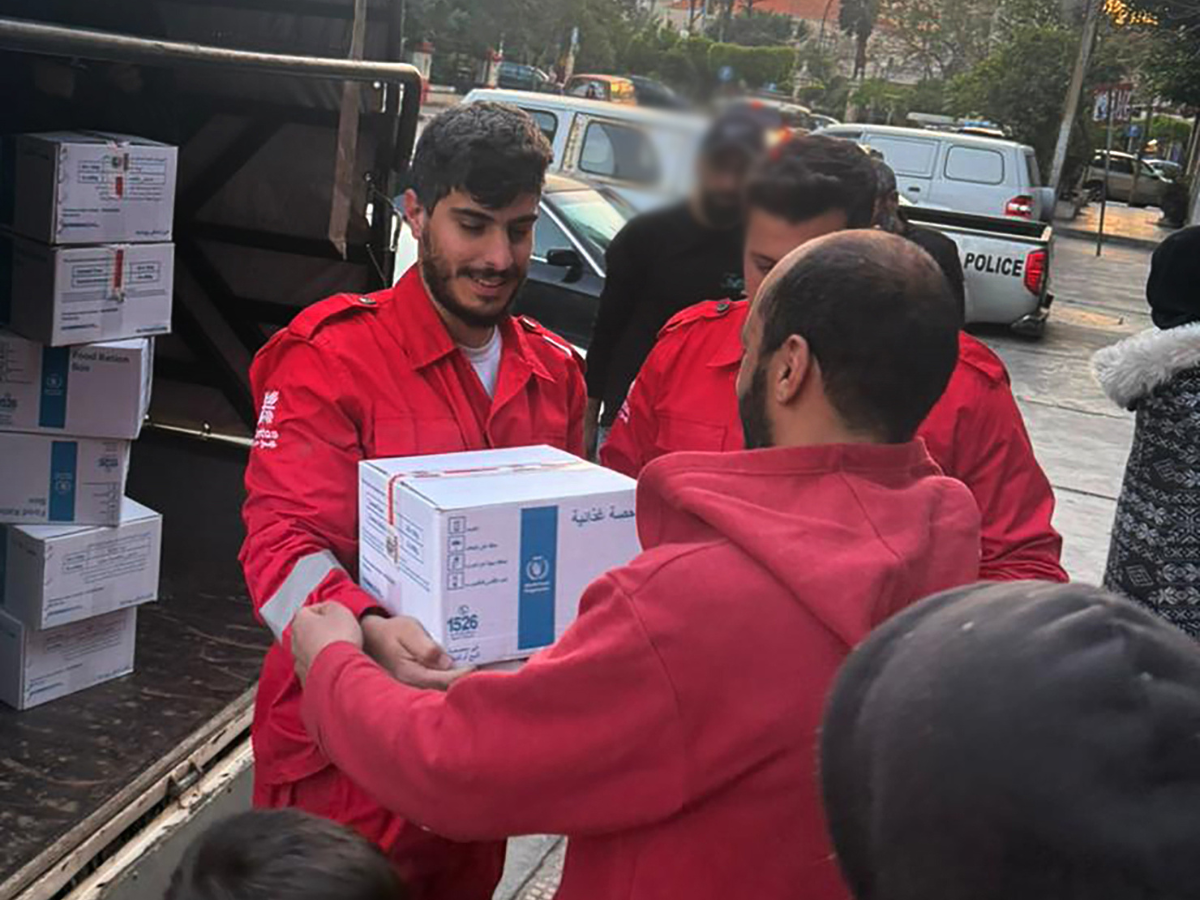
Caritas Lebanon organised seven humanitarian convoys to isolated villages in the south of the country, where local residents chose to remain despite the immediate danger. In cooperation with the Lebanese Armed Forces and the UN Office for the Coordination of Humanitarian Affairs (UN OCHA), Caritas delivered food, medicine, hygiene kits, and diesel, among other supplies.
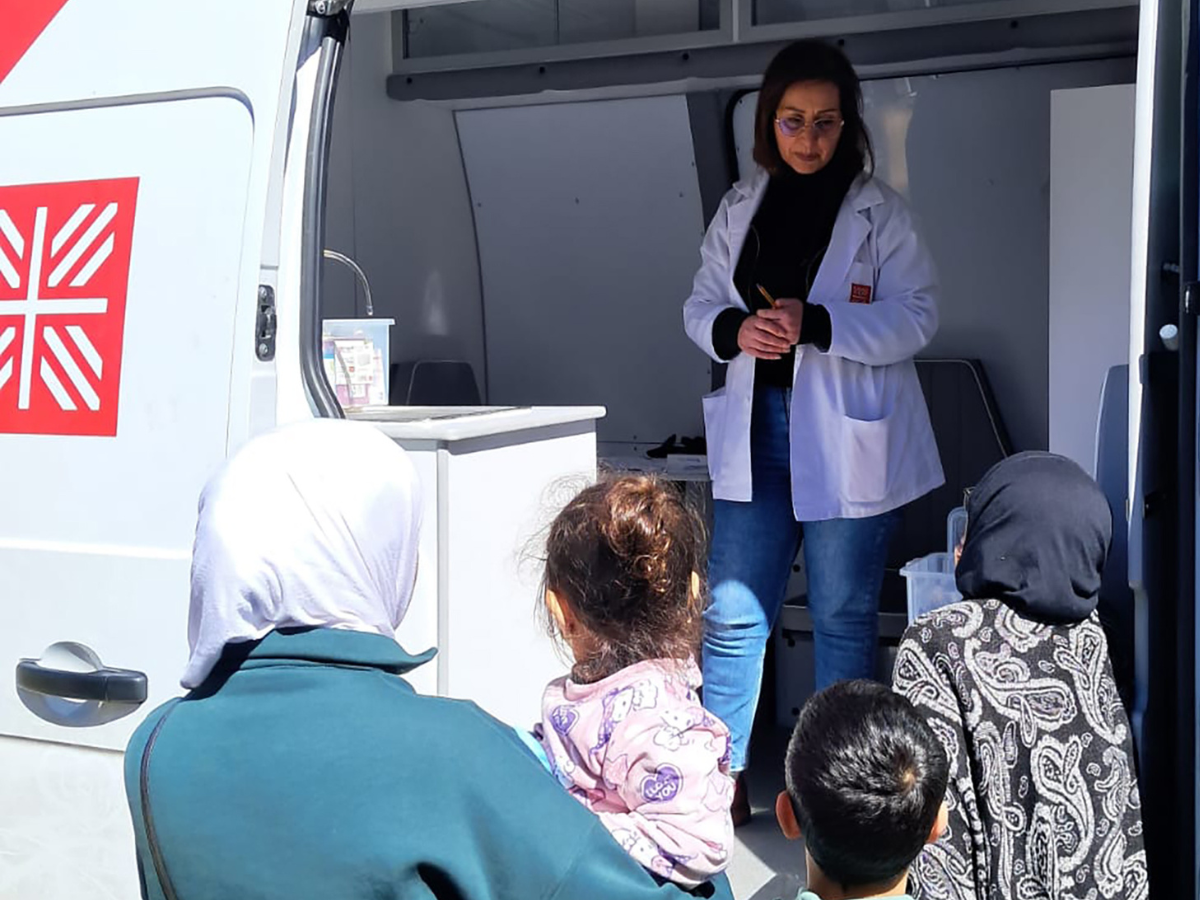
At the same time, in the town of Ain Ebel, also in southern Lebanon, Caritas opened a specialised emergency care unit in cooperation with the Lebanese Ministry of Public Health and the local hospital. The centre is intended to provide continuous primary health care day and night, seven days a week.
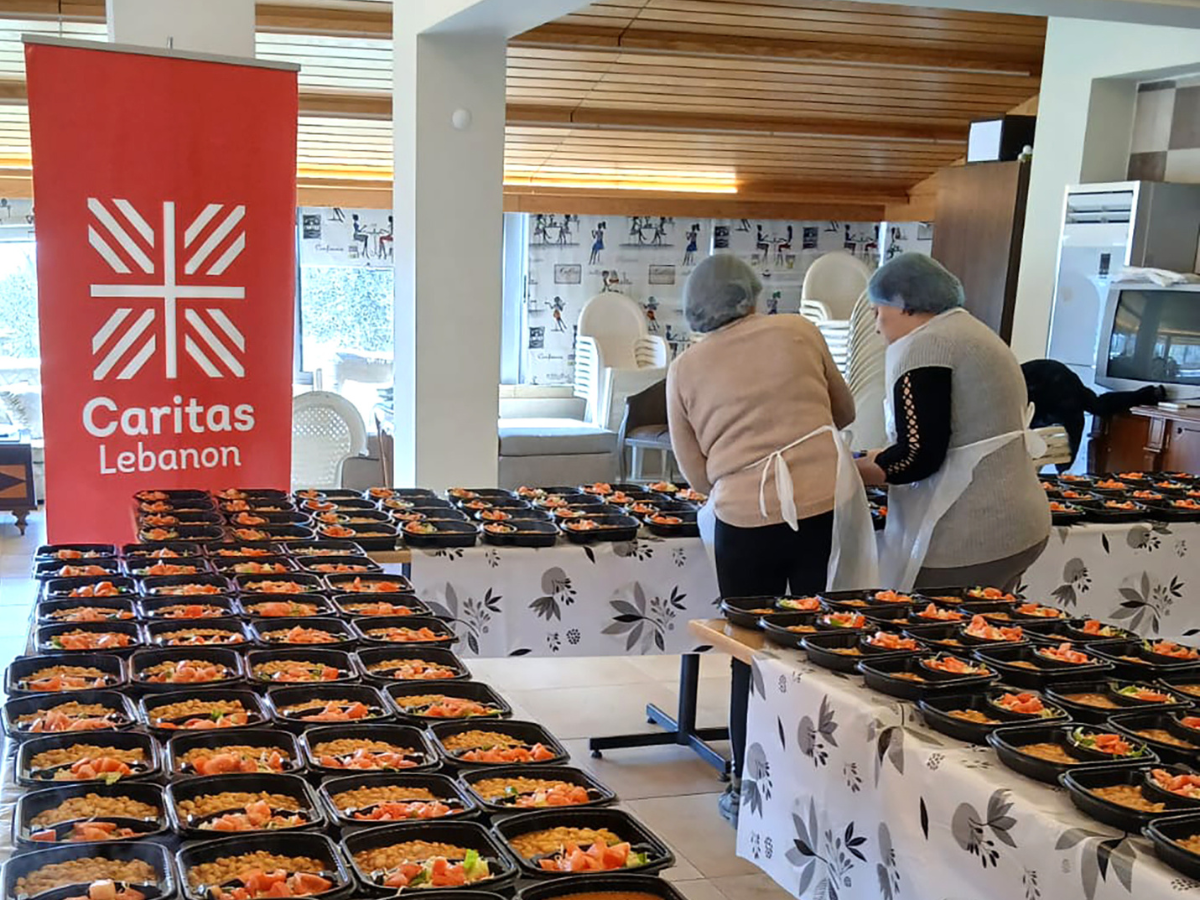
Caritas Lebanon continues to support refugees across Lebanon. Between March 2 and April 20, 2026, it provided 367,878 services to people in need.
Photo: Caritas Lebanon helps people on the run (author: Caritas Lebanon)
On April 18, the Israeli army announced the establishment of a so‑called Yellow Line in southern Lebanon, which, following the model used in the Gaza Strip, will separate 55 occupied villages from the rest of the country. The line runs along the border from the town of Naqoura to eastern Lebanon, extending from 8 to 10 kilometres into Lebanese territory.
Situation in Gaza
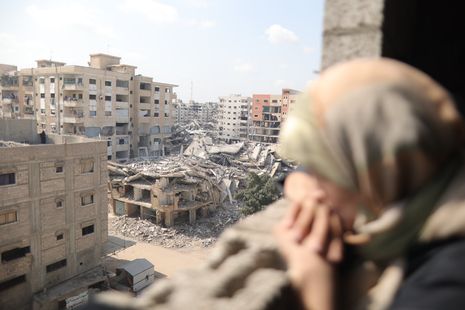
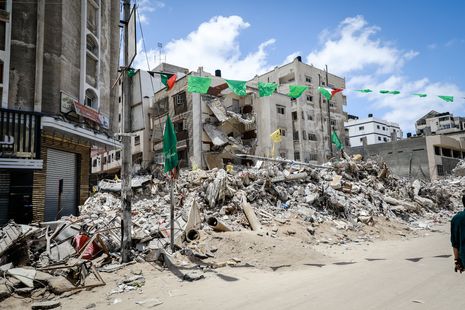
In contrast, the conflict in the Gaza Strip continues to worsen. Shelling is ongoing; most families are displaced and dependent on humanitarian assistance. Civilians face severe difficulties in securing basic necessities for survival. Environmental health risks are significantly exacerbating the situation.
Caritas Czech Republic is active in Gaza thanks in part to your contributions to the Caritas for Gaza fundraising campaign. In the Strip, we focus on psychosocial support. Recently, for example, we helped young Rafah, who has faced health complications since birth and was displaced with her family at the outbreak of the war. We also continue to support the organisation Sawa, which provides assistance to people in Gaza through telephone helplines.
Caritas for Gaza
The humanitarian situation is also deteriorating in the West Bank, where more than 2,500 Palestinians have been displaced since the beginning of 2026. The crisis is being aggravated by rising violence, settler attacks, and economic pressure.
Situation in other countries in the Middle East
Right now, the entire region is marked by an immense level of uncertainty, security risks, and a wide‑scale humanitarian, economic, and refugee crisis. In Iran alone, more than 3.2 million people have been internally relocated within the country, according to the Iranian government.
In Syria, a country marked by years of civil war, the current situation is further deepening the already difficult living conditions of the local population. People are moving to safer parts of the country, and Syria is also receiving some of the refugees from Lebanon; as of April 20, the number stood at 321,800 people.
Caritas Internationalis calls to end violence
“Ceasefire! Let the paths of dialogue be reopened. Violence can never lead to justice, stability and peace that people await,” Pope Leo XIV declares.
We call on all parties of the conflict to protect civilians, ensure safe and uninterrupted access for humanitarian assistance, adhere to international humanitarian law, and refrain from attacks on civilians and civilian infrastructure.
We thank you for your contributions to the Caritas for the Middle East fundraising campaign, through which we are able to support Caritas Lebanon in assisting refugees in the country.
Caritas for Middle East
Every month, selected highlights for you!
Sign up for our newsletter
and stay in the loop.
|

 Caritas Jerusalem has been helping in Gaza for years