


January 8, 2026
News
At forty-two, Nesreen has not had an easy life, not even before the conflict in Gaza began. Two of her four children are living with a serious health condition, and Nesreen dedicated all her time to caring for them. When the war started, the family lost their home and had to overcome other unfortunate twists of fate. The situation finally improved when Nesreen visited the clinic of Caritas Jerusalem, supported by Caritas Czech Republic. Here, she found much-needed words of comfort and understanding. Today, she copes better with the daily challenges of life in Gaza.
Difficult path of motherhood
Ever since she was young, Nesreen loved children and dreamed of becoming an elementary school teacher. However, her family did not support this goal. At nineteen, Nesreen got married. “My dream of university faded away – yet it never truly left my heart,” says Nesreen.
For years, Nesreen and her husband tried to conceive. When their first son, Khalil, was born, the maternal joy quickly turned to worry. Khalil was diagnosed with brain atrophy, which slowed his development of walking and speaking. He also had trouble hearing. Their third son was also born with the same condition. Moreover, he developed epilepsy.
My motherhood became a journey of hospitals, sleepless nights, and endless patience,
explains Nesreen.
But the family remained close. Her husband worked in a small shop, while Nesreen stayed home to care for the children. Apart from the two with health conditions, she was also raising her son, Mo’een, and her daughter, Yasmeen. The children were a great support to her during this difficult time.
The family life collapsed because of the war
When the war started, their life in Gaza became even more complicated.
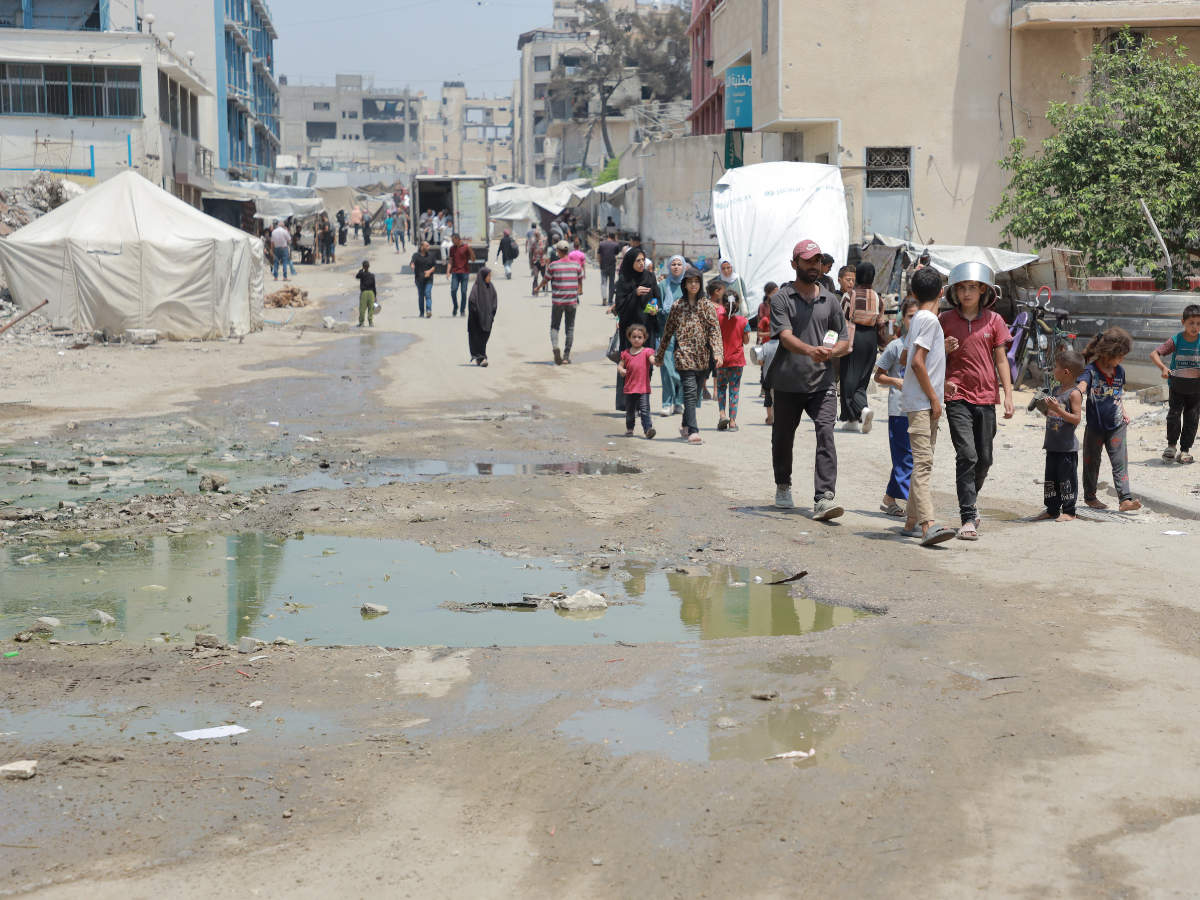
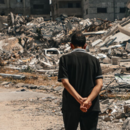
Photo: Families in Gaza lost homes because of the conflict
We fled our home barefoot, carrying nothing but fear and hope,
confides Nesreen, who was shot in the hand and injured by shrapnel in the back. Her husband sustained nerve damage, causing him to lose control of his right hand. “Our lives collapsed under the weight of displacement, injury, and loss,” says Nesreen.
Caritas' help gave Nesreen hope
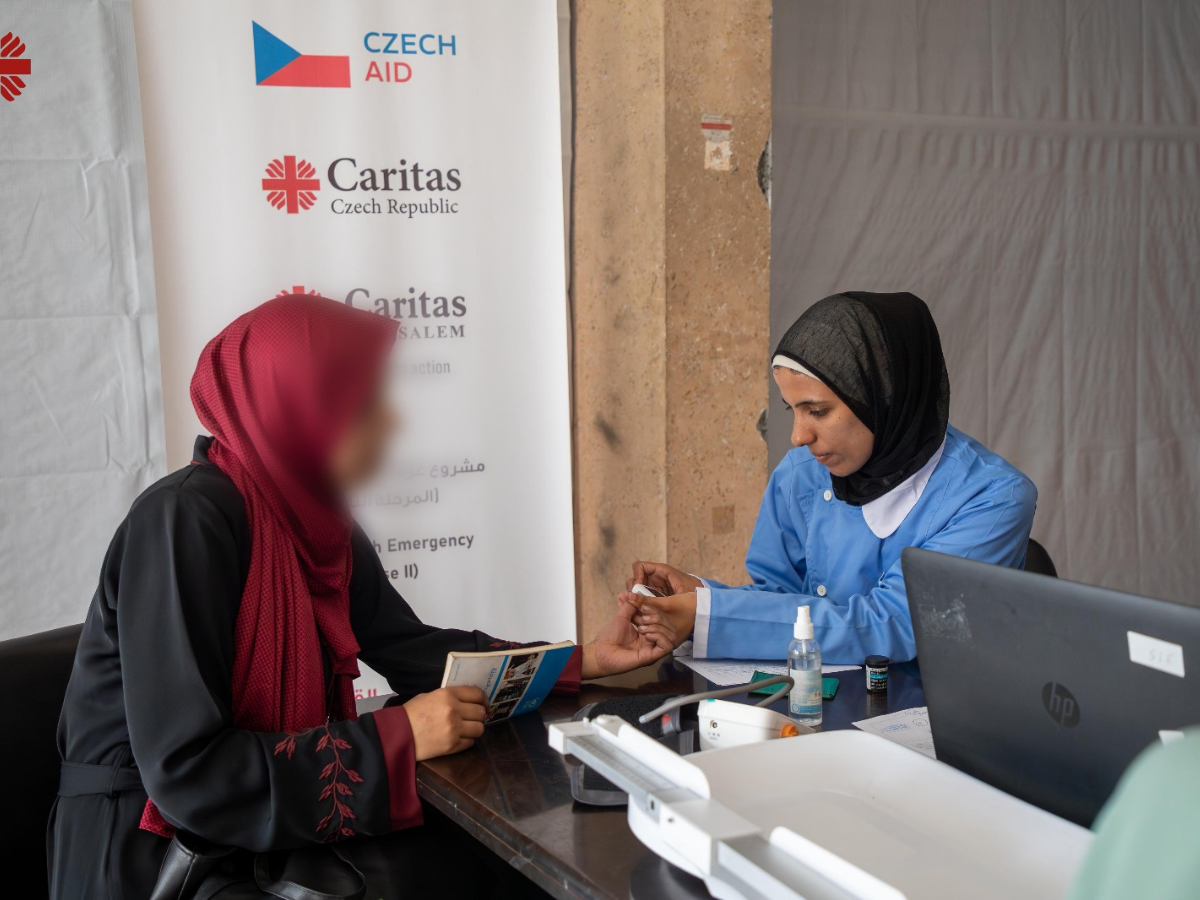
Nesreen visited the clinic of Caritas Jerusalem to treat her son’s condition. However, when the local doctor noticed that she was exhausted and quietly crying, he referred her to a case manager. During the session, Nesreen finally opened up about the circumstances that had troubled her throughout life. For the first time, someone also told her that she was courageous because she had survived all the hardships.
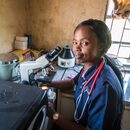
Photo: Clinic of Caritas Jerusalem
A moment my life changed. I walked into that session broken and overwhelmed. I walked out seen, respected, and reminded of my strength,
claims Nesreen. Her family was displaced to the south, where the case manager continued to maintain contact. She regularly tried to get in touch to check how Nesreen and her children were doing. “When she learned that we were sleeping on the street with no shelter, she acted immediately,” explains Nesreen. Within a few hours, the clinic worker found accommodation for the family. They were moved to a safe, well-equipped tent with access to essential services.
It felt like a miracle – proof that humanity still exists,
says Nesreen.
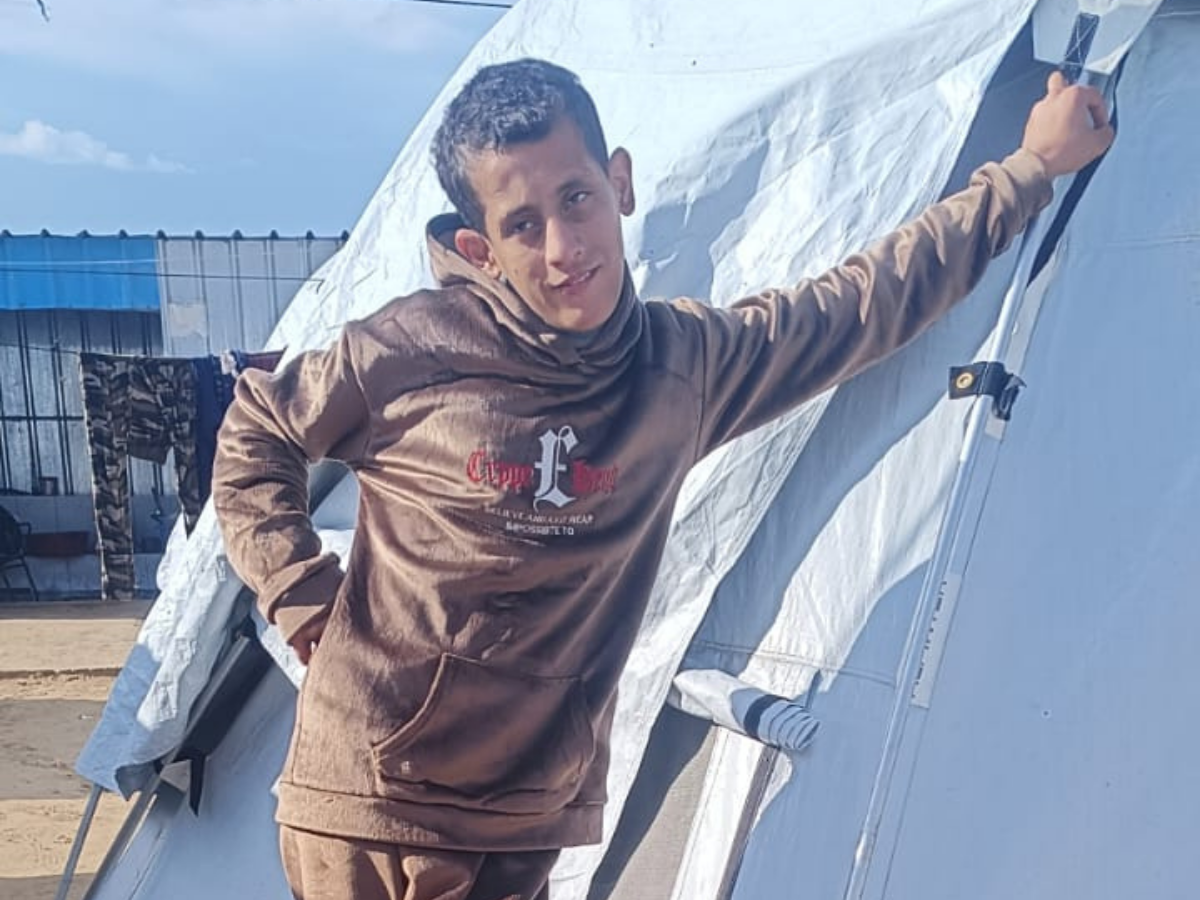
Photo: Nesreen's family was moved to a tent
Thanks to Caritas, Nesreen no longer lives in fear
Nesreen was able to turn the newfound hope into helping others. In the camp where her family was staying, she built a small clay oven. She began baking bread and pastries for other displaced families in the camp. Moreover, her daughter began attending school again, happily.


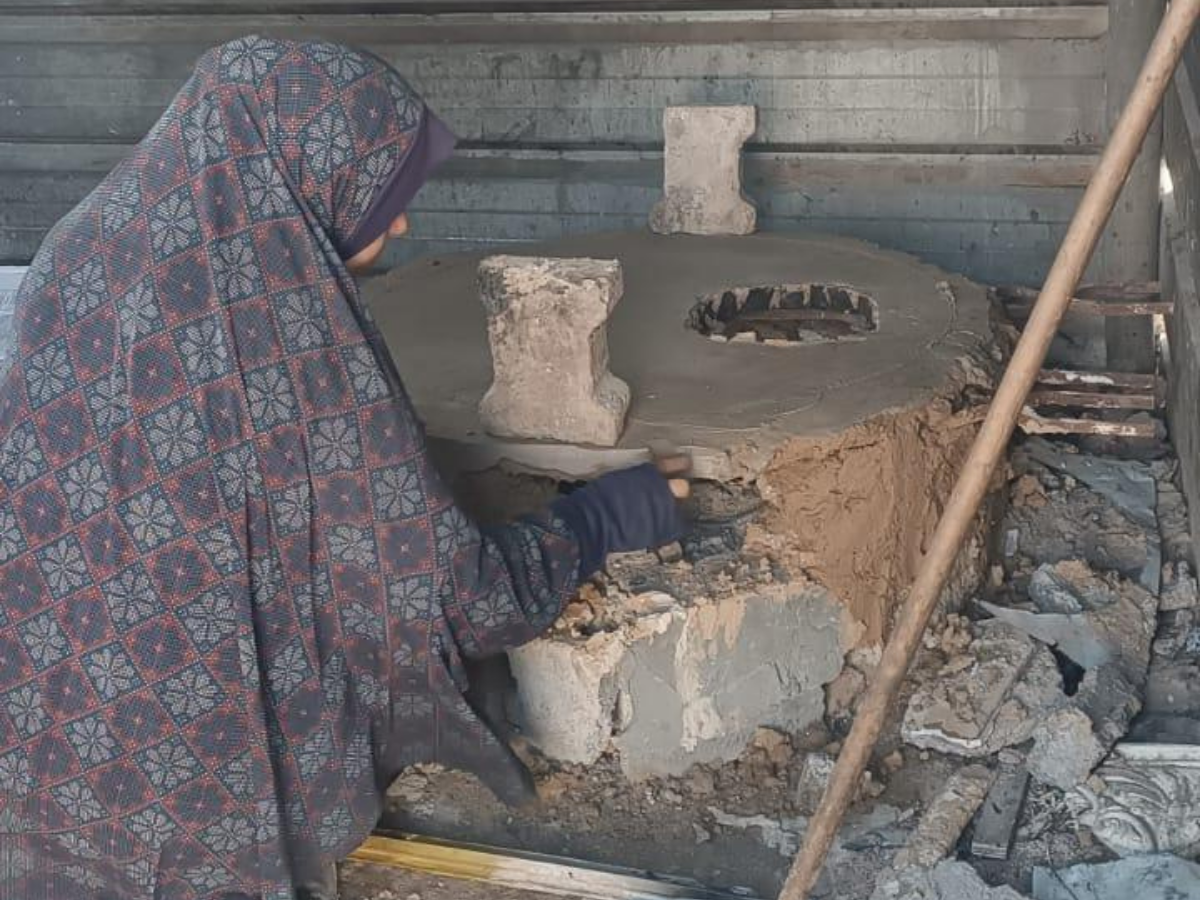
Photo: Nesreen built a clay oven and now bakes bread for other families
With continued support from Caritas Czech Republic, Nesreen feels like a new person today. In her own words, she no longer fears. She is proud of her children and the journey they have survived together.
Caritas did not only provide assistance – they gave me back my dignity, my confidence, and the courage to start again,
adds Nesreen.
Caritas continues its work in Gaza
Caritas Czech Republic focuses on psychosocial support in Gaza. Through the operation of the Caritas Jerusalem clinic, we were able to offer assistance to Aida, a mother of five who lost her husband and home because of the war. We also support the Sawa organisation, which provides a hotline for psychosocial care for people in Gaza.
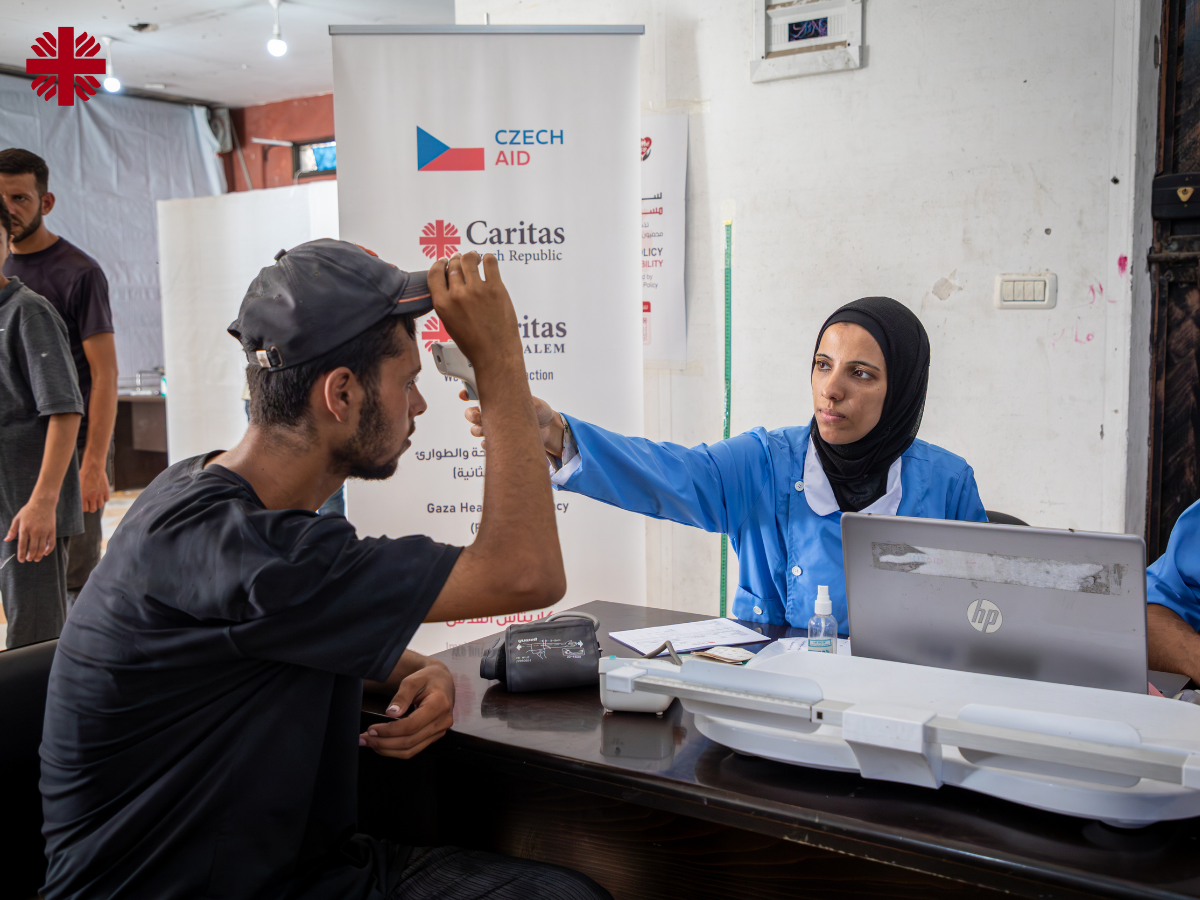 Photo: Clinic of Caritas Jerusalem
At the end of 2025, the Israeli government announced that it would forbid the dozens of humanitarian organisations from operating in Gaza. But the local people need us. Thank you for helping them, together with us.