
Gaza Strip

Donate online for Gaza

Caritas for Gaza
Help civilians survive this humanitarian crisis

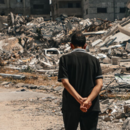
The Gaza Strip is experiencing one of the worst humanitarian crises of our time. In this sealed-off area with no escape, essential resources such as clean water, food, medicine, electricity, and safe shelter are critically scarce. The war is destroying the lives of civilians who have nowhere to flee and nowhere to return.

Despite 92% of buildings being either damaged or destroyed, more than 2 million people still live in Gaza. Caritas Czech Republic, in cooperation with Caritas Jerusalem, is providing on-the-ground medical and psychological assistance as well as essential humanitarian aid.

Donate aid to civilians in Gaza

Latest from Gaza

Gaza faces extreme conditions

Gaza faces extreme conditions

December 12, 2025
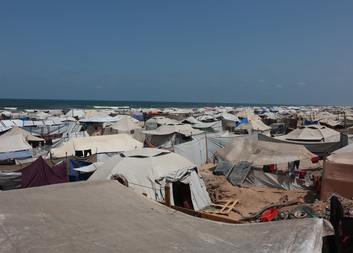
Although the major fighting has ceased, life in Gaza remains extremely difficult. Food is more available, but prices are very high – a kilo of chicken costs 70 shekels, and gas is both expensive and scarce. Medicines are almost unobtainable, and roads are still blocked by rubble and are being cleared slowly. Entire neighbourhoods have been destroyed, and thousands of people are surviving the winter in makeshift shelters. Some parts of Gaza continue to be bombed.


How Caritas Czech Republic helps

Primary Health Care Clinic
Place of safety in the heart of war

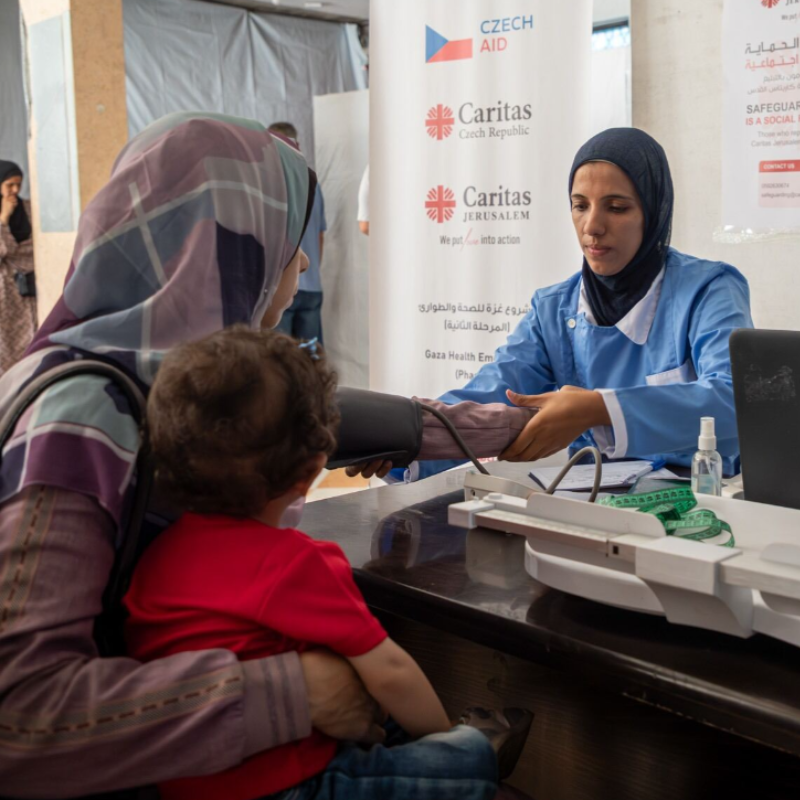
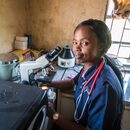
In the heart of war-torn Gaza, Caritas Czech Republic, in cooperation with Caritas Jerusalem, provides medical care to those who need it most. Our clinic treats 60 to 80 people every day, offering basic health services, essential medication distribution, and psychological support. For many, the clinic is the only place where they can find relief from pain, compassionate care, and a safe space.
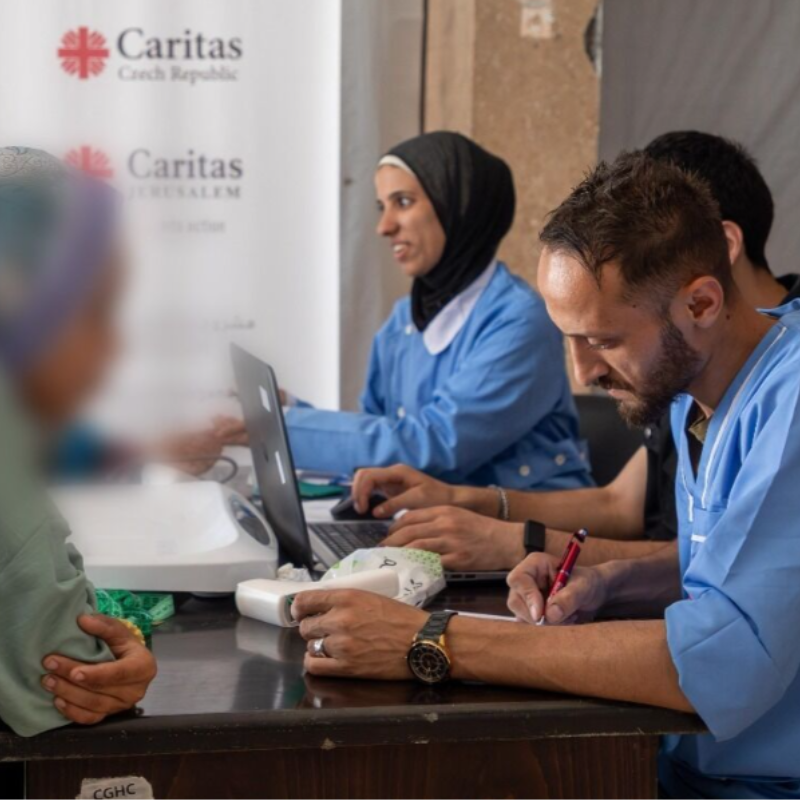
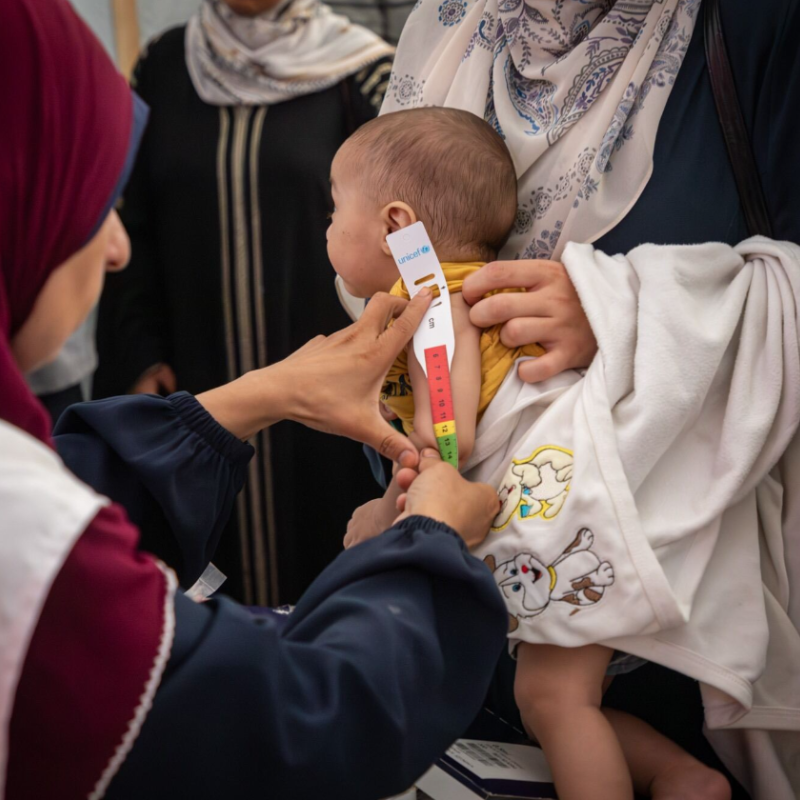
Primary Health Care Clinic in Gaza

Primary Health Care Clinic in Gaza

Primary Health Care Clinic


24/7 CRISIS HELPLINE
What people in Gaza are experiencing

More than 22,000 people from Gaza reached out to the SAWA crisis helpline – supported by Caritas Czech Republic – over a three-month period, averaging over 241 calls per day. Callers speak of deep trauma, fear, and desperate efforts to protect their children:

1,900+
calls to release emotional distress

1,000+
remote medical consultations

700+
calls addressing anxiety and fear

400+
calls related to grief over the loss of loved ones

100+
calls from individuals with suicidal thoughts

100+
contacts with parents concerned about children's bedwetting

30+
calls from parents struggling to feed their children


* Figures reflect calls made during the second quarter of 2025.


INDIVIDUAL SUPPORT – CASE MANAGEMENT
Behind every number is a human story

The most complex cases are discreetly referred to the case manager by the primary health clinic or the SAWA crisis helpline. Working in close cooperation with local partners, the case manager ensures prompt and coordinated assistance – from safe shelter, food, and hygiene supplies to psychosocial and legal support. Thanks to this coordination, assistance reaches even the most vulnerable people who would otherwise be left without any support.

Helping with us


Ministry of Foreign Affairs of the Czech Republic

Caritas Jerusalem

Sawa


Articles

Fleeing within their own country – how Caritas supports refugees
June 15, 2026 News

Fleeing within their own country – how Caritas supports refugees

According to the World Health Organisation, 117.3 million people have been forcibly displaced from their homes. However, displacement takes many forms – 36.4 million have sought safety across borders, while 8.4 million are already abroad applying for asylum. In this article, on the occasion of World Refugee Day, which is commemorated annually on June 20, we take a look at displacement from several perspectives, showing the diverse stories behind the term and how Caritas Czech Republic’s international aid responds to them.

Conflicts out of the spotlight: 6 crises we tend to forget about in 2026
June 4, 2026 News

Conflicts out of the spotlight: 6 crises we tend to forget about in 2026

Armed conflicts, ceasefires during which civilians continue to die, and drone attacks in previously safe areas. At the moment, there are more active conflicts than at any time since the end of World War II. Half of those conflicts are taking place in Africa. Their consequences do not affect only the participating states, their residents or neighbouring countries; they impact the whole world, our economy, environment and peace of mind. But what crises and conflicts stay out of the media spotlight? We bring you six examples in this article.

Testimony from Gaza: Increasing numbers of rodents are threatening the health of local people, says a doctor in an interview for Caritas Internationalis
May 19, 2026 News

Testimony from Gaza: Increasing numbers of rodents are threatening the health of local people, says a doctor in an interview for Caritas Internationalis

Amid the ongoing humanitarian catastrophe in the Gaza Strip, a new devastating public health emergency is breaking: a massive rodent infestation that is spreading diseases. According to the World Health Organisation (WHO), more than 70,000 cases of ectoparasite infections and rodent -borne illness have been reported in Gaza since the start of 2026 alone. We publish the following Interview with one of Caritas Jerusalem’s staff working on the ground in Gaza, the doctor wishes to remain anonymous for security reasons.

Ceasefire is not enough: War continues to threaten civilians, not only in Lebanon
April 27, 2026 News

Ceasefire is not enough: War continues to threaten civilians, not only in Lebanon

A regional conflict that began at the end of February 2026 with an attack on Iran and soon spread to other countries has not stopped despite the announced ceasefire. The situation remains uncertain. In Lebanon, political leaders have advised internally displaced persons not to return home, which represents an opposite approach to the one they took during the conflict in 2024. In the country, almost one-fifth of the population has been forced to leave their homes, and more than one million people remain displaced. Caritas Czech Republic supports them through cooperation with Caritas Lebanon. 

Story from Gaza: She was dependent on help from her family. Now, she dreams of walking on her own
April 22, 2026 News

Story from Gaza: She was dependent on help from her family. Now, she dreams of walking on her own

As a little girl, Rafah learned what it felt like not to have her own freedom. She was born with cerebral palsy and a foot disability. As a result, she was unable to move without her family’s help. Her mother had to carry her everywhere, and Rafah could not play with her peers. With the beginning of the war in Gaza, her family was displaced to a refugee centre, where she received support from Caritas Czech Republic. Our social worker provided her with psychosocial assistance and arranged for her to receive a wheelchair, so she could become more independent. This story, with a happy ending, is about a girl who did not lose her brave spirit despite war or health difficulties.