


July 16, 2026
News
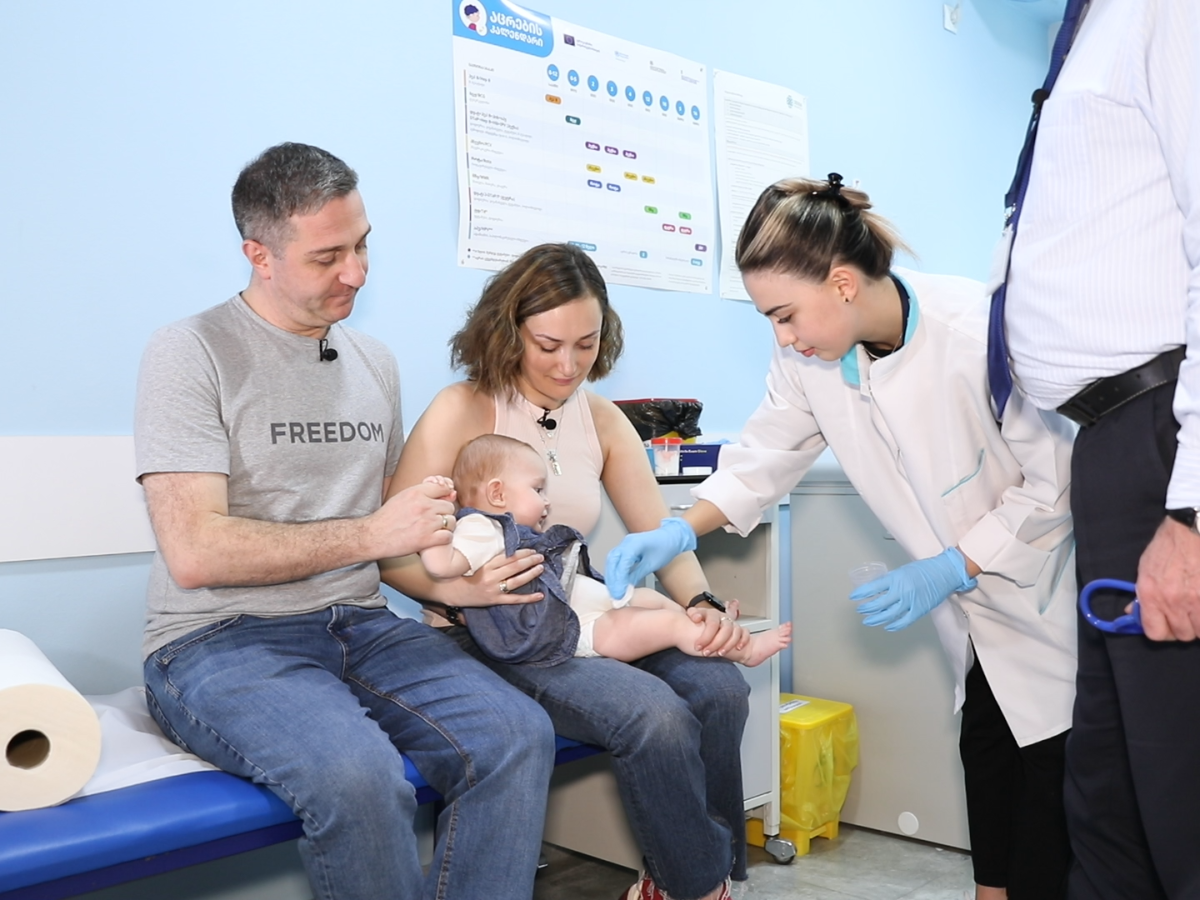
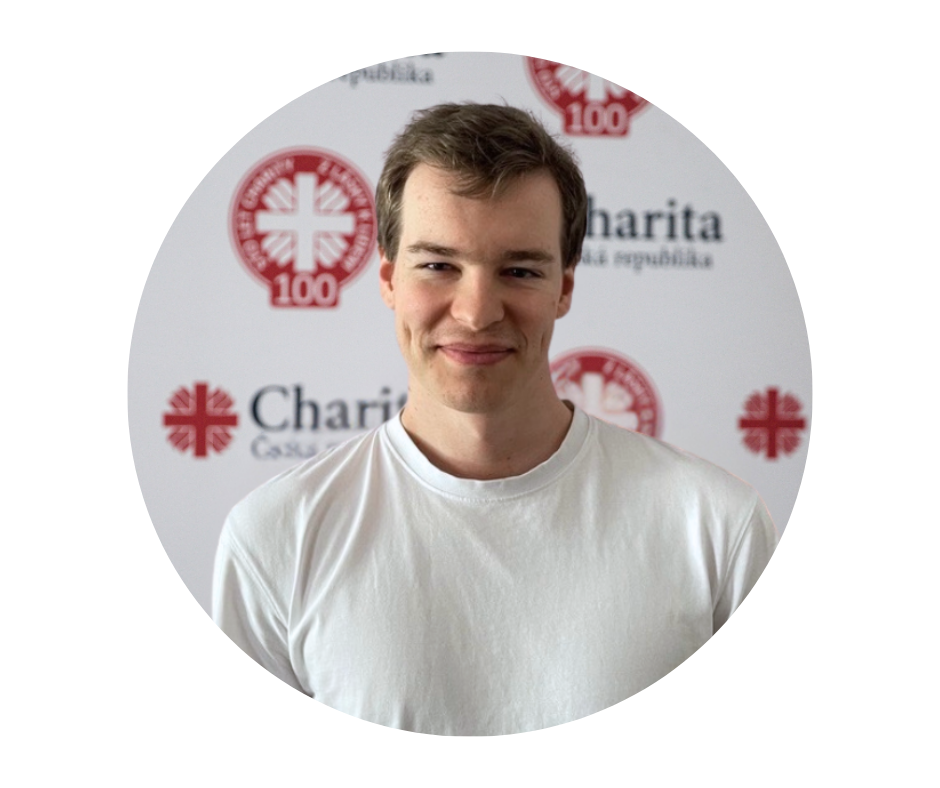
Caritas Czech Republic has been working in Georgia for more than ten years. Over the past decade, it has built the trust of local communities and institutions, and continues to nurture that trust today. A significant part of its activities focuses on healthcare – from cancer prevention and support for paediatric oncology to the development of mental health care. Filip Tlapa, Programme Coordinator for Ethiopia, Georgia and Moldova, speaks about the challenges, achievements, and ongoing changes within Georgia’s healthcare system.
Last year, Caritas Czech Republic celebrated ten years of its presence in Georgia. We have therefore left a significant mark here. How are our activities perceived by local people and partners?
In Georgia, Caritas Czech Republic has managed to build credibility thanks to its good work, which is reflected in repeated cooperation with organisations and other partners. Thanks to the positive experience with our previous projects, municipalities, for example, ask us to expand our activities to their areas as well, and we then have the pleasant challenge of expanding our programmes so that they exceed their originally planned scope.
In addition, we cooperate with partners repeatedly, and they regularly choose us as implementers of their projects, whether it is UNICEF or WHO, and more recently also Expertise France or GIZ (Deutsche Gesellschaft für Internationale Zusammenarbeit).
Why does Caritas Czech Republic in Georgia focus specifically on healthcare? In what areas do local resources need to be strengthened?
Georgia has qualified professionals and ambitious reform plans, but the system faces several structural weaknesses: significant regional disparities in access to healthcare, limited primary healthcare capacities, and low participation in cancer screening programmes, which leads to late diagnosis (approximately 40% of cases are detected at Stage III or IV).
What does the reality of healthcare in smaller towns and rural areas of Georgia look like?
The difference between Tbilisi and the regions remains significant. Specialised services have historically been concentrated in large cities. Families from smaller municipalities, therefore, had to travel to access care or were unable to access it at all.
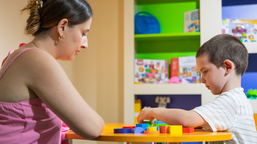
That is why we deliberately established new early childhood development centres outside the capital city – in Dusheti, in Gardabani, where a sizeable ethnic minority lives and has more limited access to services, and in the village of Nikhbisi. The support also includes vehicles for fieldwork and home visits. In oncology, we support regional preventive screening centres in Zugdidi, Lanchkhuti and Batumi.
One of Caritas’s long-term areas of focus is cancer prevention. What has been achieved, and what continues to be improved in the field of oncological diseases, preventive examinations, and awareness-raising?
The year 2025 was, above all, a year of laying the foundations for this project, which is supported by the CzechAid. We conducted a national survey, on the basis of which we launched nationwide educational campaigns involving more than 950 primary healthcare facilities. We also provided accredited trainings on preventive examinations and communication with patients, which 484 healthcare professionals completed. We also trained a national team of trainers and created an online course on an educational platform.
A major step forward took place in data and digitalisation. Nineteen healthcare institutions connected to the central electronic health records system, and more than 31,000 records were transferred.
Another activity is support for paediatric oncology. What does Caritas Czech Republic do within this project, and what impact does it have on the care of young patients?
In cooperation with Professor Jan Starý from Motol University Hospital in Prague and the Iashvili Children's Hospital in Tbilisi, we prepared a residency programme in paediatric oncology, a structured specialist training programme that has so far been lacking in Georgia. The programme is currently undergoing approval by the authorities, and we expect it to be launched during 2026.
We will also provide fifteen Georgian paediatric oncology specialists with the opportunity to undertake an approximately five-week placement in Czech hospitals. Some of them have already completed these placements during the past year. And because quality care also requires equipment, we supplied the oncohaematology department at Iashvili Hospital with a digital microscope, ten patient monitors and twenty infusion pumps. For young patients, this means more accurate diagnostics and safer care during hospitalisation.
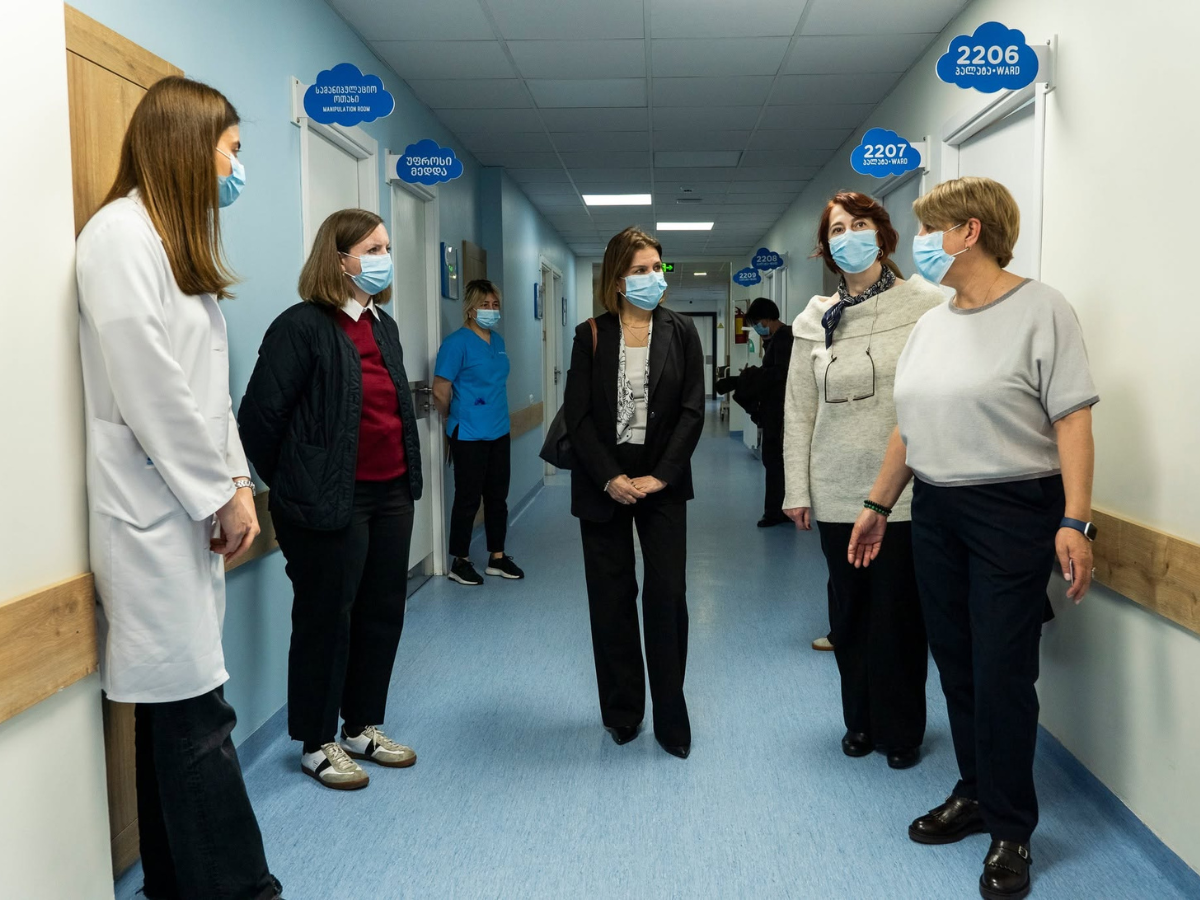
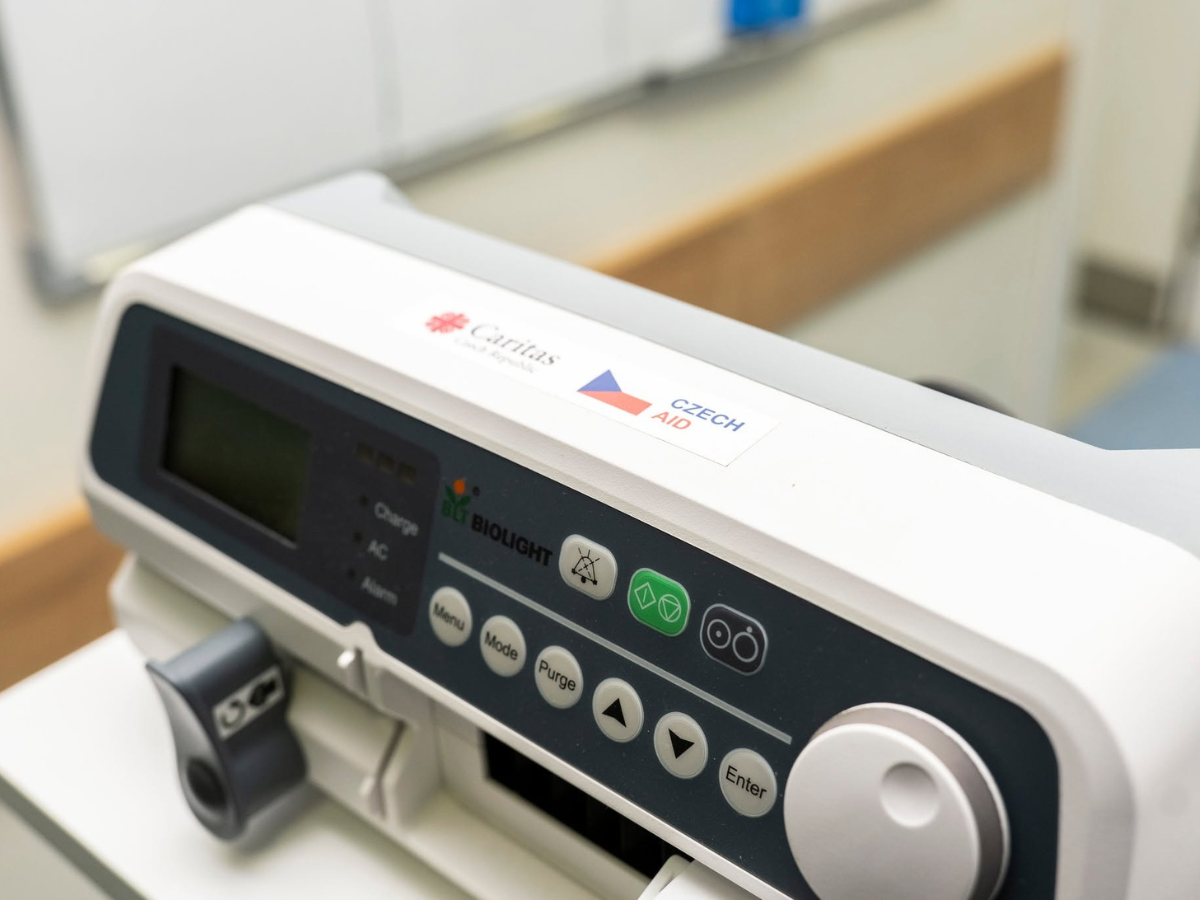
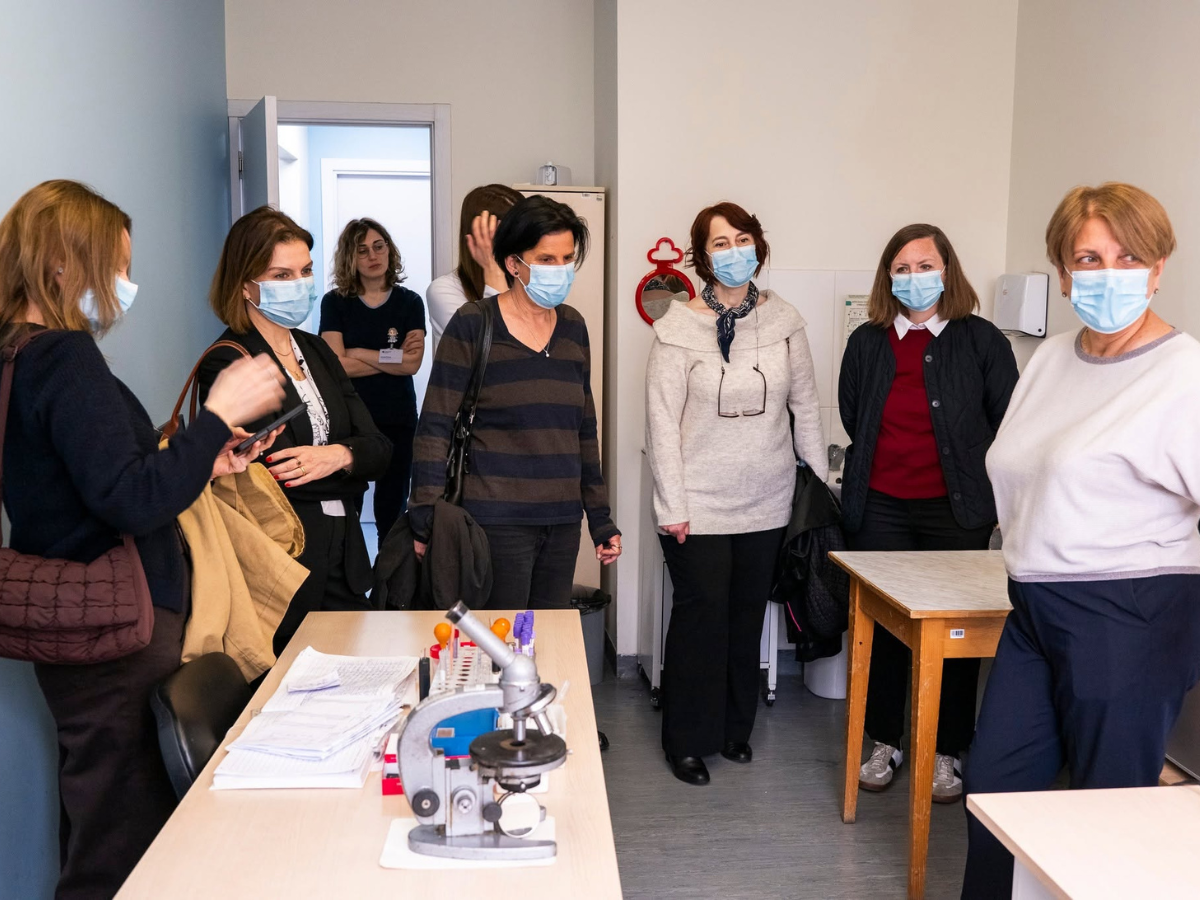
Photo: In Georgia, we also support paediatric oncology
In addition to physical health, Caritas Czech Republic also focuses on mental health. It places an emphasis on a gender-sensitive approach. What exactly can we understand by this?
We address mental health within a project implemented with Expertise France and funded by the French Development Agency (AFD). The essence of the project is to bring mental health care to the places people visit most often – family doctors’ practices. Ten gender-sensitive clinical protocols for selected mental health conditions are being developed, and we will train 1,500 family doctors, both in cities and in rural areas, to use them. In addition, the staff of 46 rural clinics is learning to provide remote consultations, including for cases of gender-based violence.
A gender-sensitive approach in practice means that we take seriously the fact that mental health difficulties manifest themselves differently in women and men, and that women and persons with disabilities face specific barriers. The activities therefore include an analysis of the accessibility of mental health services for women and persons with disabilities, as well as a service map to help them navigate available services.
What are the biggest obstacles you encounter in the development of healthcare in Georgia?
Of all the obstacles we encounter during implementation, I would specifically mention two. The first is the stigma that exists within the Georgian population. We have encountered this, for example, in activities focused on early intervention, where parents refuse to make use of the services of specialised educators when their child has developmental difficulties. Another issue is political instability, which manifests itself, for example, in an increased administrative burden.
Is there anything that has been achieved in Georgia, even though at first it did not seem very promising?
I would definitely mention the increase in state reimbursement for early intervention services. We did not think it would be possible to increase the state contribution because, unfortunately, this was not a government priority. The increase from 2026 is also the result of our good advocacy work together with our Georgian partners (for example, the Coalition for Early Childhood Development) and a step towards greater sustainability of our projects.
Can you recall a specific situation when you realised that your work truly makes a difference?
I can recall two specific situations. The first was in 2025, when I conducted an interview with a staff member of an early childhood development centre during a project monitoring visit. I was struck by her story of deciding to return from Tbilisi to her region so that, with our support, she could provide early intervention services to people who would otherwise have no chance of receiving it.
The second was a discussion with Associate Professor Lucie Šrámková, Head of the Department of Paediatric Haematology and Oncology at Motol University Hospital, and the enthusiasm she showed in helping us design and coordinate the programme for Georgian trainees. At the same time, she shared her own story of being in the same position and travelling to the United States for placements in order to learn examples of good practice, and how she now has the opportunity to pass these experiences on to others.