


June 10, 2026
News
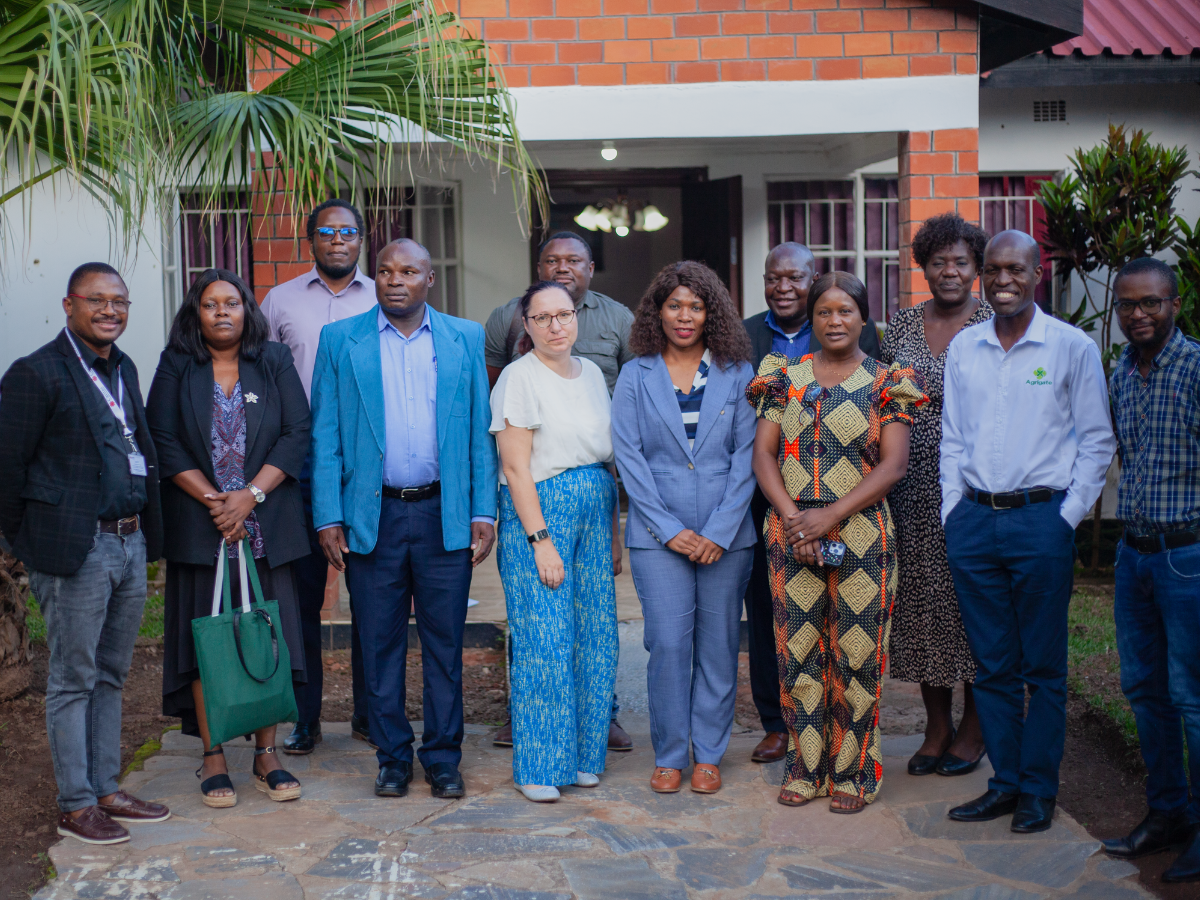
Why connect Czech agricultural innovations with the needs of farmers in Zambia? Martin Jurkovič, the secretary general of the Czech Agricultural and Forestry Machinery Association (AZET), addressed this question in an interview with Caritas Czech Republic. In cooperation with Czech Development Agency, we aim to bring Czech technologies and know-how to Zambia in order to support more efficient and climate-resilient agriculture. Domestic companies will provide their innovations, while their collaboration and the transfer of solutions into practice are coordinated by AZET.
How did you establish cooperation with Caritas Czech Republic, and what attracted you to this particular project?
Within the Czech Agricultural and Forestry Machinery Association, we have long been actively interested in development cooperation projects. One of the association’s main missions is to support Czech companies in their export activities and help them enter foreign markets. At the same time, we believe that well-designed development projects can naturally address several objectives at once. First and foremost, they should bring tangible benefits to local communities and respond to their real needs, while also creating opportunities for Czech companies – for example, by helping them gain experience, establish new contacts, and build a long-term presence in the markets where development assistance is directed. After all, a similar approach is used by many other developed countries in their development activities.
In this project, we were approached by Caritas Czech Republic, and I believe we effectively leveraged the strengths of all the partners involved. Caritas Czech Republic contributes its experience in implementing development projects, as well as an excellent understanding of the local environment and needs.

Mendel University in Brno brings academic and professional expertise, particularly in agriculture and research. Our role has been mainly to connect the project with Czech manufacturers of agricultural technologies, identify suitable solutions, and help create conditions for their long-term sustainability in the local environment.
It is precisely this combination of expertise from the academic, development, and business perspectives that I consider one of the project's greatest strengths.
As part of the project, you assessed Czech companies' interest in participating. How did this process work?
Within the Czech Agricultural and Forestry Machinery Association, we bring together approximately 40 Czech manufacturers of agricultural machinery and technologies, so our membership base itself represents a fairly broad range of solutions from which suitable technologies for Zambian conditions could be selected. However, we are not limited to these 40 companies. If needed, we also reach out to firms outside the association.
Many of the companies we contacted are strongly export-oriented and have experience operating in international markets, including Africa. Some companies even have direct experience with Zambia or neighbouring countries in the region, while for others the Zambian market represented a new opportunity.
However, the process itself was not just about gauging companies’ interest in participating. The key aspect was to verify whether their technologies matched the needs of local agriculture. Not all products that companies successfully supply to European customers are automatically suitable for the conditions in Zambia.
Representatives of selected companies travelled to Zambia as part of a business trip. How important do you consider personal meetings and relationship-building?
Personal meetings are absolutely crucial in projects of this kind, and this is perhaps even more true in the case of Zambia than in many European countries. Technology itself is only one part of the overall cooperation. You can share technical specifications, photographs, or hold online meetings, but these usually cannot replace the trust that forms the foundation of long-term collaboration.
In Zambia, personal relationships and mutual trust are very important. Local partners want to know who stands behind the given technology. At the same time, this is equally important from the perspective of Czech companies – only by visiting the site in person can they often truly understand the real conditions on farms, the availability of local service, and the practical constraints they need to take into account.
State support also plays a very important role in this context. The fact that this is a Czech Republic project implemented with the support of the Czech Development Agency, and that the Czech Embassy is also involved in the process, significantly helps build trust. For local partners, it is important to know that the project is not backed solely by individual companies, but represents a broader, long-term initiative supported by the Czech Republic. Such support often helps open doors and create an environment conducive to establishing long-term partnerships.
A visit by representatives from Zambia to the Czech Republic is also being planned. Who should take part and why?
This visit naturally follows the previous work trip of Czech companies to Zambia. During that trip, a number of contacts were established and initial discussions were launched, but such relationships need to be further developed.
During the visit to Zambia, local partners had the opportunity to get to know primarily the people behind the individual companies and technologies. Now we would like to introduce them to the Czech companies themselves, including their production facilities and the way they operate. They will have the opportunity to see the technologies in action, compare several solutions in one place, and gain a better understanding of their practical application.
At the same time, we expect the cooperation to move to a more concrete level.
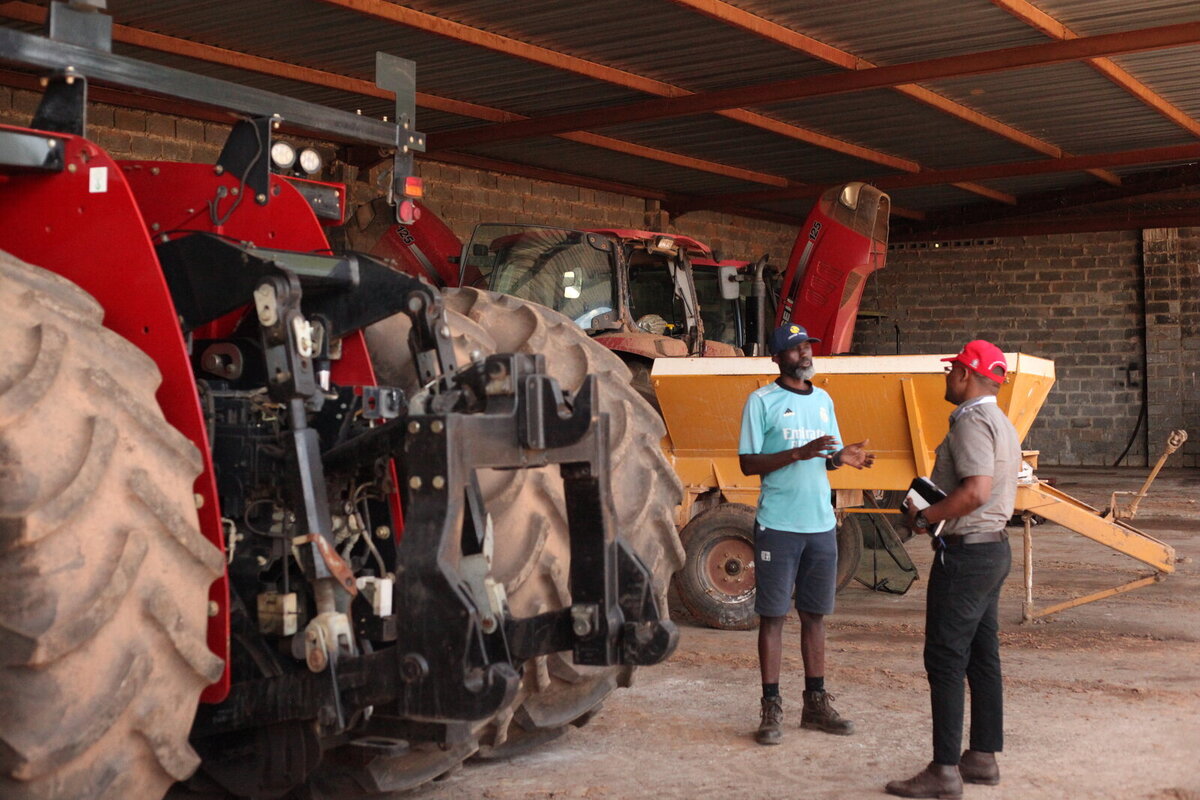
Foto: We support more efficient and climate-resilient agriculture in Zambia
How will the project ensure that the equipment remains functional and usable in the long term?
Service plays a key role. This is why we aim to involve local service centres and partners in the project, who can be trained and supplied with spare parts. The goal is to ensure that maintenance and any necessary repairs can be carried out directly on site, without unnecessary downtime.
In addition to the technology itself, the transfer of know-how and the training of the people who will operate the equipment are equally important. The objective is to create conditions for sustainable, long-term operation even after the project itself has been completed.
However, a crucial prerequisite is the careful selection of the right partners on the Zambian side from the outset. We have sought to choose farms and institutions that operate professionally and where there is a strong likelihood that the technologies will be used over the long term, handled correctly, and properly maintained.
Is exporting Czech agricultural technologies and know-how abroad unusual nowadays, or is it a common practice?
The Czech Republic, formerly Czechoslovakia, has a long tradition of exporting agricultural machinery. A typical example is the Zetor brand, which became well known in many countries around the world. Similarly, we can point to other areas of Czech engineering and agricultural technologies, where Czech companies have long found success in international markets.
Today, export is absolutely essential for many Czech manufacturers. It is the cornerstone of their business. There are many successful Czech companies that export their products not only across Europe, but also to other continents. Personally, I consider a strong export orientation indispensable for companies to succeed in today’s globalised environment. However, this must go hand in hand with continuous development, innovation, and the ability to adapt to the needs of customers.
What message should be conveyed to the Czech public about the value of development projects involving the Czech private sector?
It should be highlighted that the Czech Republic, as a relatively wealthy and developed country, has a certain responsibility to support less developed countries.
At the same time, it is important to emphasise that well-designed development cooperation is also in our own interest. If assistance to local communities can be meaningfully combined with support for Czech companies, it can create new export opportunities. The success of Czech firms in such projects then translates into more jobs in the Czech Republic, higher added value, and tax revenues generated domestically.
There does not have to be a contradiction between providing aid and pursuing economic interests. On the contrary, if a project is set up in a fair and sustainable way, both sides can benefit from it in the long run.