


May 19, 2026
News
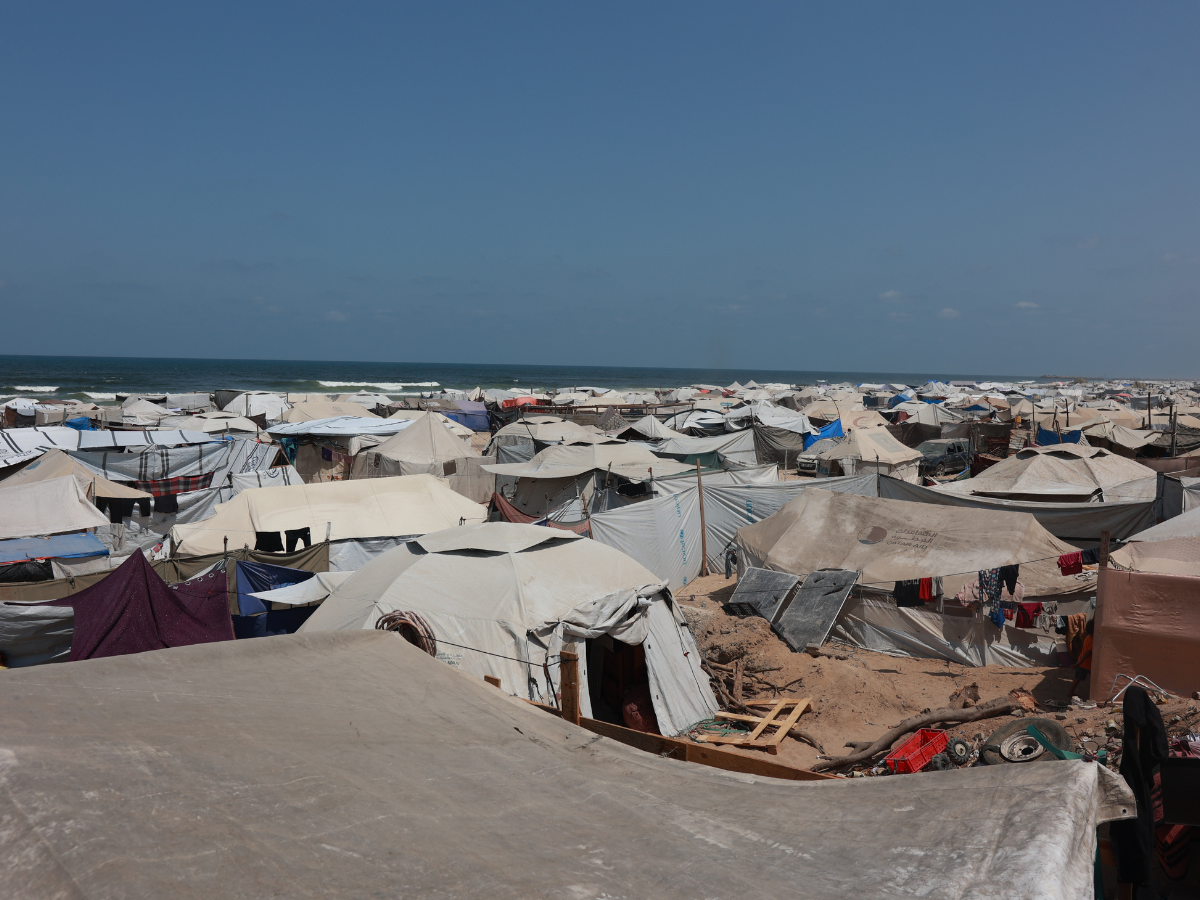
Amid the ongoing humanitarian catastrophe in the Gaza Strip, a new devastating public health emergency is breaking: a massive rodent infestation that is spreading diseases. According to the World Health Organisation (WHO), more than 70,000 cases of ectoparasite infections and rodent -borne illness have been reported in Gaza since the start of 2026 alone. We publish the following Interview with one of Caritas Jerusalem’s staff working on the ground in Gaza, the doctor wishes to remain anonymous for security reasons.
The interview was first published on Caritas Internationalis website. It was conducted by Caritas Jerusalem staff.
Doctor, can you take us back to the moment you first saw a rodent bite case in Gaza? When was it, and what was the patient’s condition?
colleague of mine, one of the best ones we have in our team, called me at midnight 45 days ago to ask what we needed to do for his brother, who had been bitten by a rat. The bite was on the index finger of his left hand. His brother, a 35-year-old, lives in a partially destroyed building surrounded by piles of rubble and solid waste. He was bitten by a rat while asleep. I told him to wash the bite thoroughly with soap and water, rinse away all soap, apply gauze to press the area, and go to the health centre. There, the doctor cleaned the bite, applied an antibiotic ointment, administered a tetanus immunisation, and prescribed oral antibiotics. The patient was advised to return if any symptoms develop.
How frequently are you currently seeing rodent bite cases at your facility? Has the rate increased significantly in recent months?
I regularly see and hear rats, among garbage and sewage, all around my house at night. Caritas health facilities open in the morning, while the rodents hide in the home’s rubble. At night, the rodents run in the streets and between tents. People who are bitten seek medical help at the emergency department of an open hospital. The rate has increased significantly in recent months; the World Health Organisation reported in mid-April 2026 more than 70,000 cases of infections linked to rodents and external parasites among displaced people in the Gaza Strip since the beginning of the year, amid worsening health and humanitarian conditions. A key informant working at the hospital said, “About 10 cases of bitten patients visit the emergency department every night.”
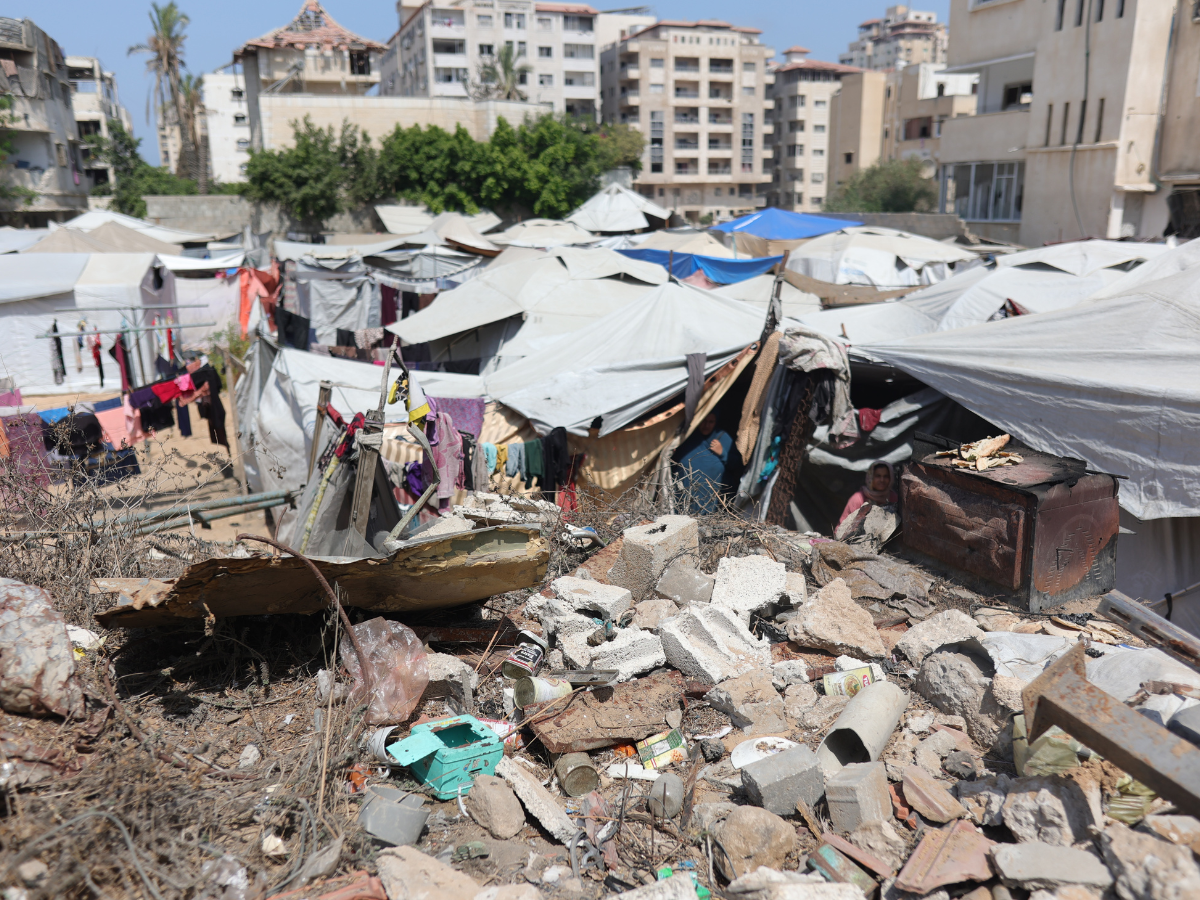
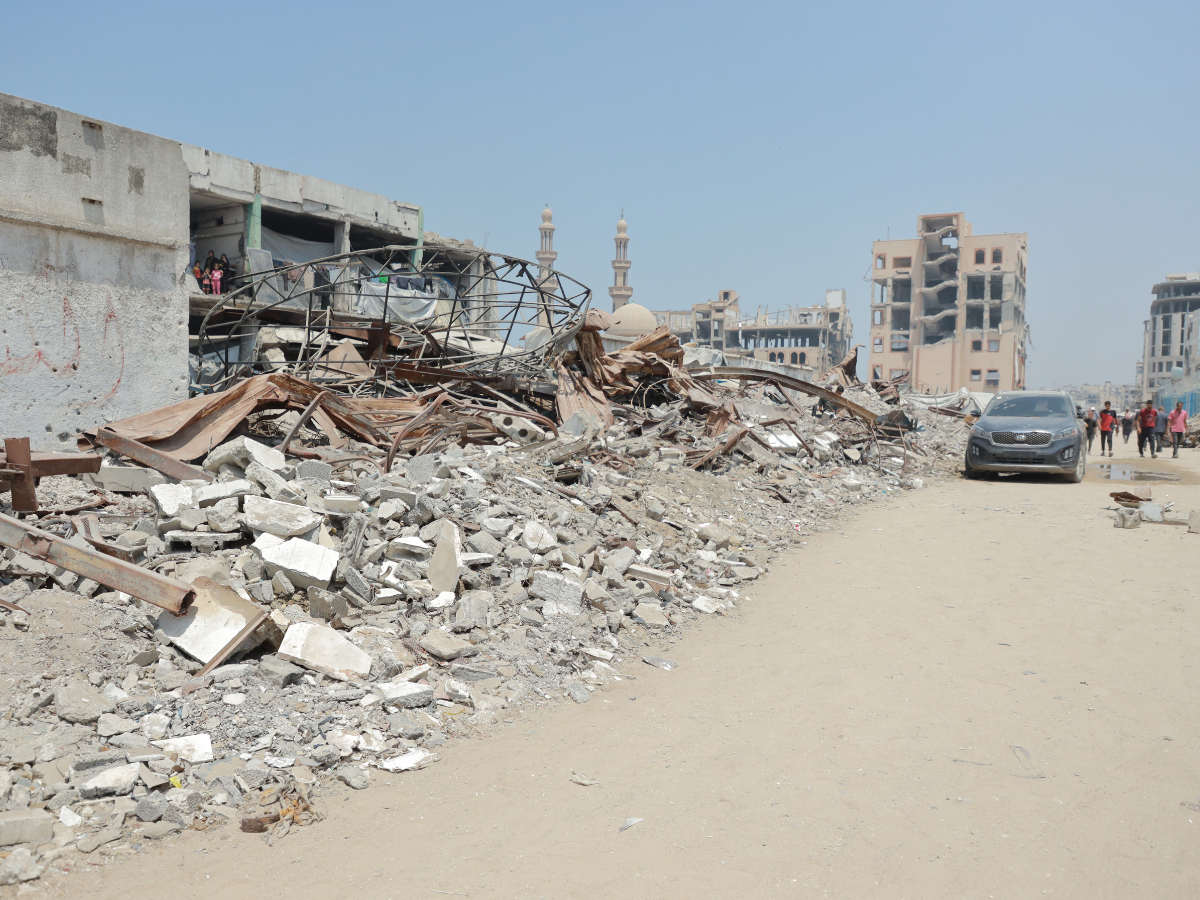
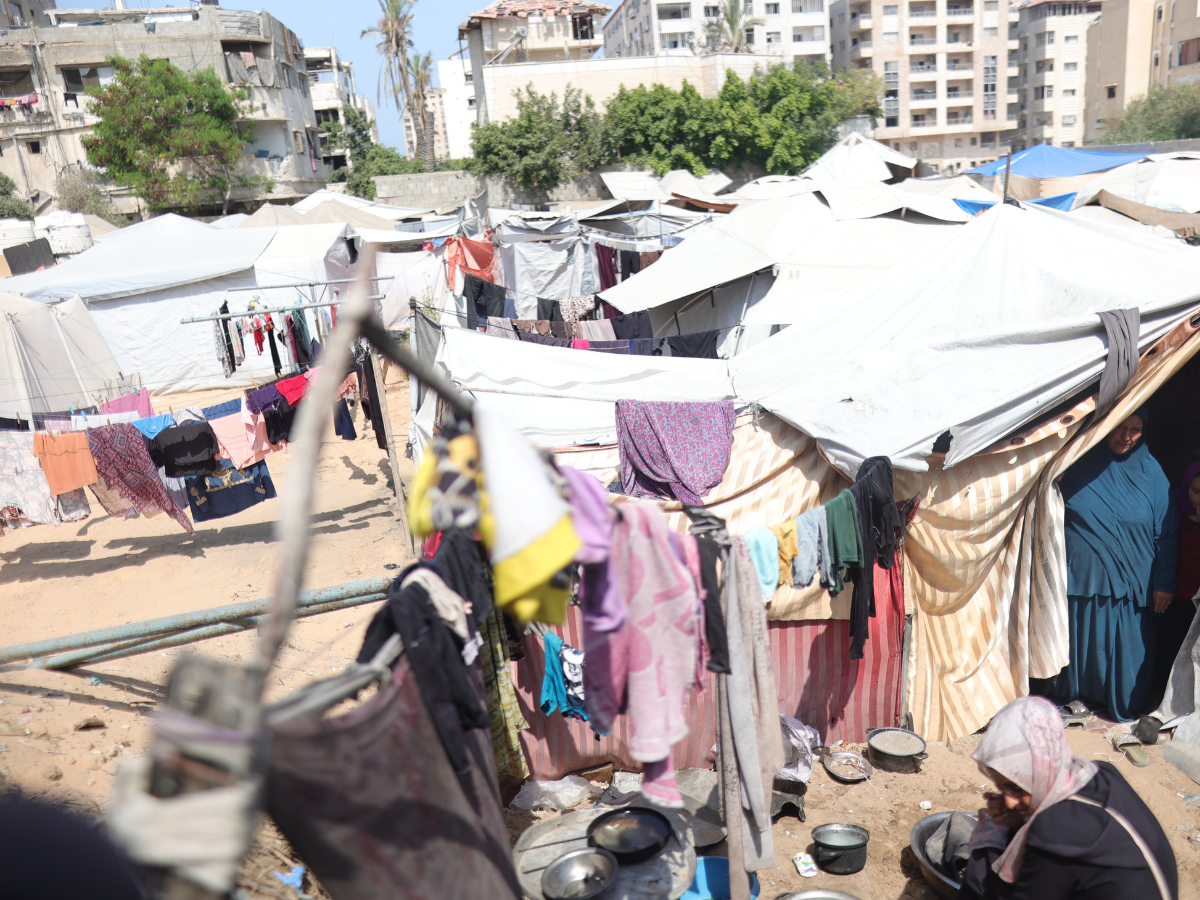
Photo: At night, the rodents run in the streets and between tents
What treatments are available to you on the ground for patients who have been bitten? Given the severe shortage of medical supplies in Gaza, are you able to properly manage infections, rabies exposure protocols, or diseases like leptospirosis that rodents can transmit?
Treatment on the ground includes cleaning, local and systemic antibiotics, dressings, tetanus vaccine, and tetanus immune globulin, and follow-up. There is a 50% shortage of consumables, and the essential drug list that includes antibiotics. We can treat uncomplicated bites, but we find it difficult to diagnose and treat rodent-borne infections. No anti-rabies serum or rabies vaccine is available in Gaza; there is a severe shortage of laboratory equipment and reagents for diagnosing rat-borne infectious diseases. The doctors rely on clinical findings and clinical judgment. Regarding snakebite and scorpion bite, antivenom serum is available, but it is not specific. Polymerase chain reaction (PCR) equipment is very important for diagnosing microbial diseases, especially viral infections, but it is unavailable in the Gaza Strip. Consequently, we find it difficult to diagnose rodent infections such as leptospirosis and hantavirus fever.
Beyond the bite itself, what are the greatest health risks that a large-scale rodent infestation poses to the civilian population, and are you already seeing signs of rodent-borne disease outbreaks spreading through displacement camps or shelters?
Rodents are chewing through tents and contaminating food supplies, with few safe storage facilities. Families and children are too afraid to sleep at night for fear of being bitten by rats. Doctors provide provisional diagnoses of rat-borne infectious diseases such as hantavirus pulmonary syndrome, leptospirosis, and rickettsial infections. However, they can’t confirm the diagnoses due to a lack of lab kits and PCR equipment.
As a doctor working in these conditions, what are the most urgent and concrete measures that need to be implemented by humanitarian organisations and the international community to prevent this infestation from escalating?
Enhance environmental sanitation by removing rubble, disposing of solid waste, renovating the sewage system, providing municipal and drinking water, and supplying affordable rodenticides and pesticides. Trap mice and rats in the home. Clean and disinfect the home thoroughly. Seal all potential entry holes.
What is your personal hope for Gaza in the future?
Above all, I hope for a strict ceasefire and peace to prevail. Once the guns fall silent, the work of removing the rubble, clearing the roads, and launching the long-term reconstruction that Gaza so urgently needs. That reconstruction must include a serious commitment to environmental protection — finding sustainable solutions for solid waste through recycling or incineration, rebuilding the sewage network, establishing a desalination plant to bring safe drinking water to all of Gaza, and eradicating rodents and pests through pesticides, rodenticides, and traps.
Alongside that, Gaza needs a true reform of its health system. This means building the capacity of staff, increasing the number and quality of healthcare workers across all specialities, and renovating and reconstructing the health facilities that have been destroyed. Operating room capacity must be expanded. Laboratories must be rebuilt — damaged equipment replaced, lab kits provided, and pathology labs made functional again. A PCR machine must be acquired. Radiology departments must be restored, and a radiotherapy department established. None of this is optional; these are the foundations of a functional healthcare system, without which preventable deaths will continue.
And finally — perhaps most of all — I hope for the restoration of education and the resilience of Gaza’s youth. They are the future, and they deserve one.
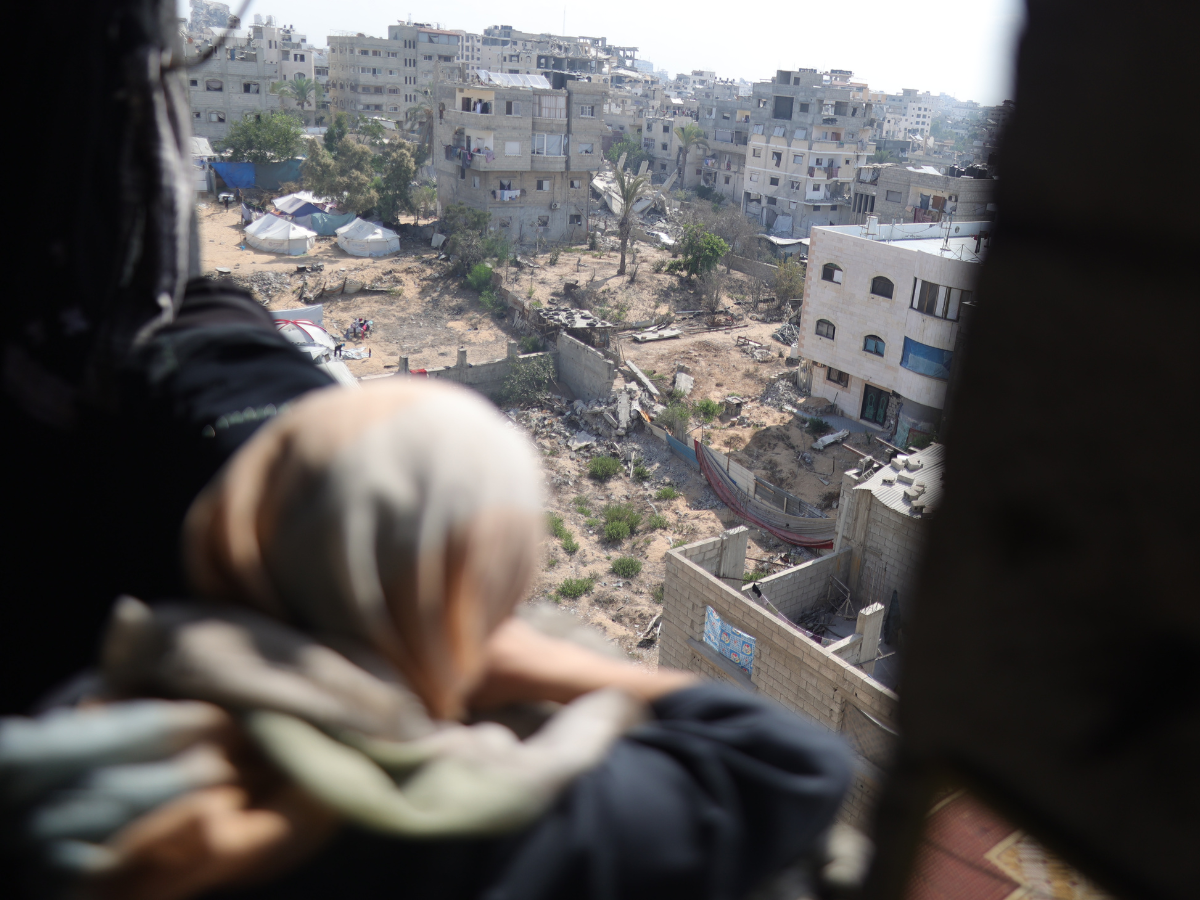
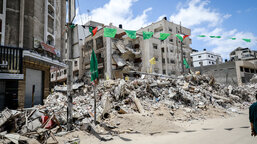
Photo: The devastation of Gaza is catastrophic