


July 14, 2026
News
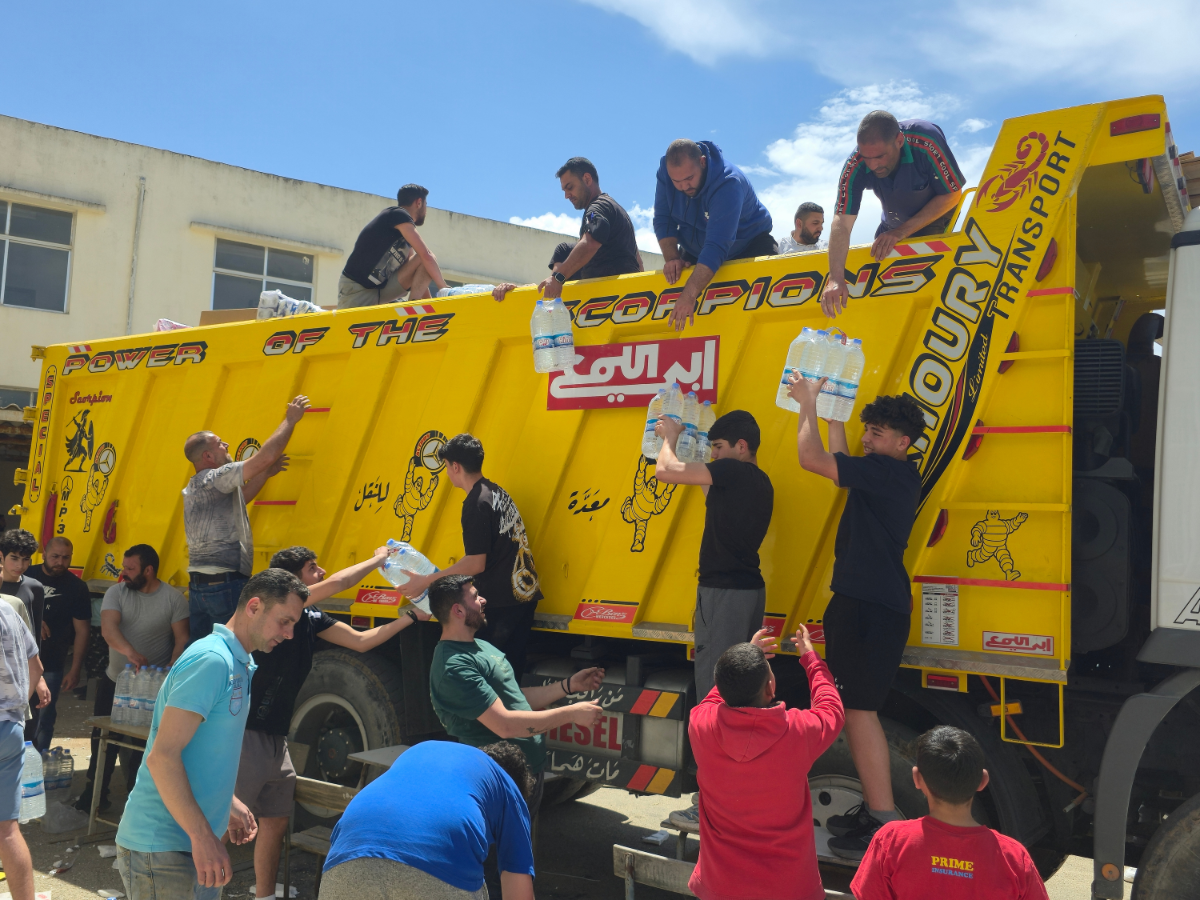
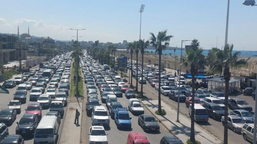
Several months after the beginning of the conflict in the Middle East, the situation in the region remains insecure. Ceasefires are not respected, which continues to complicate lives of civilians. In conflict-affected areas, humanitarian conditions are critical, exacerbated by damaged infrastructure, disrupted services, and population displacement. In Lebanon alone, more than one million people were on the run during spring. Over half a million of them have not returned home yet.
Lebanon
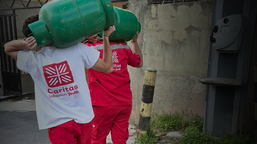
Following the ceasefire between the United States and Iran and the Israeli-Lebanese negotiations, displaced people in Lebanon began returning to their homes in the second half of June. However, persistent security risks, extensive damage to infrastructure, and the presence of the Israeli military in the south continue to prevent approximately 526,000 people from returning. Nearly 60,000 of them remain in 147 displacement centres across the country. Caritas Lebanon continues to support them by helping to meet their basic needs.
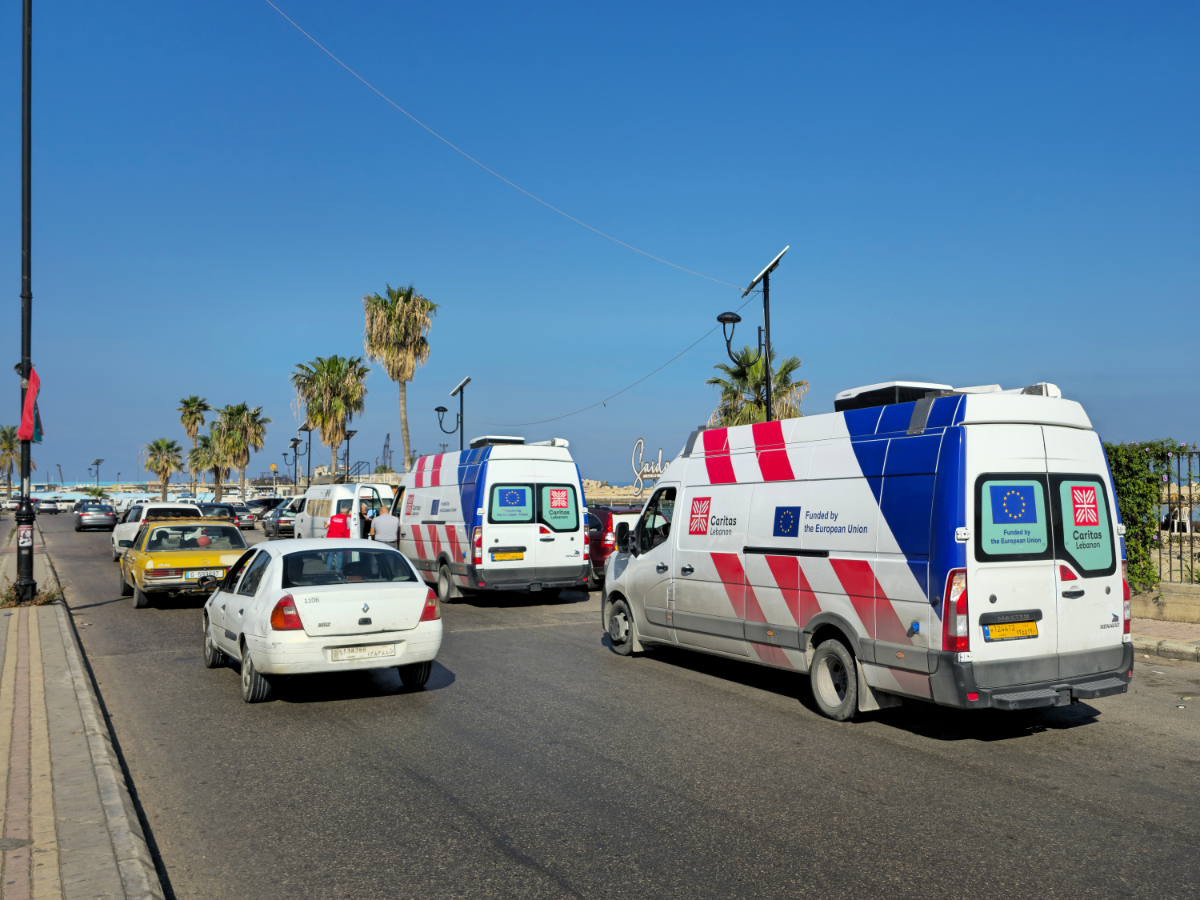 Photo: More than half a million people in Lebanon remain displaced (photo by Caritas Lebanon)
Since the beginning of March, it has provided people with 626,812 services. It gave out, for example, drinking water or food and hygiene kits, and also blankets, pillows, and packages with clothes. Caritas also supported displaced persons in the area of healthcare, providing, for instance, consultations and treatments of acute or chronic diseases. Moreover, the organisation focused on psychological assistance and online learning. In collaboration with partners, it coordinated humanitarian convoys to isolated villages in the south. Between the end of June and the beginning of July, it organised four such transports.
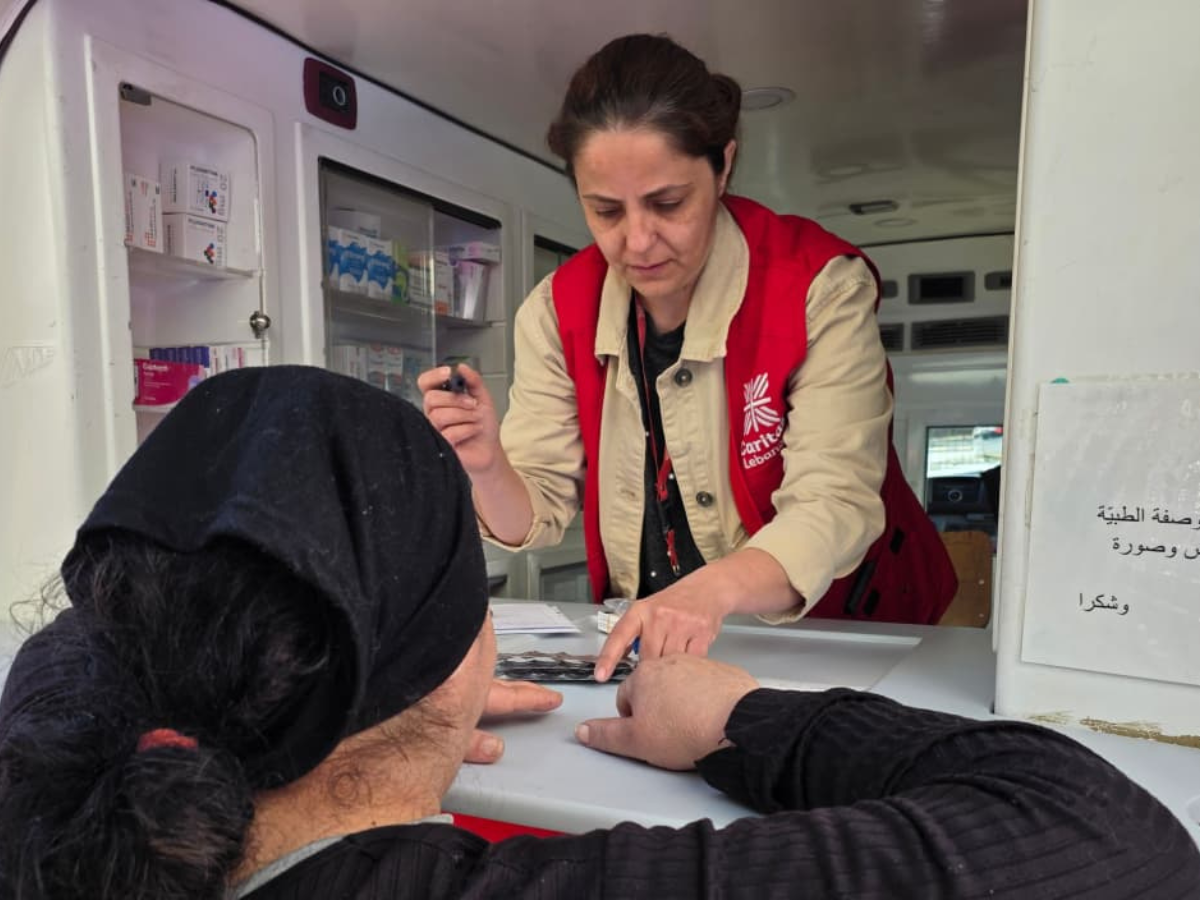
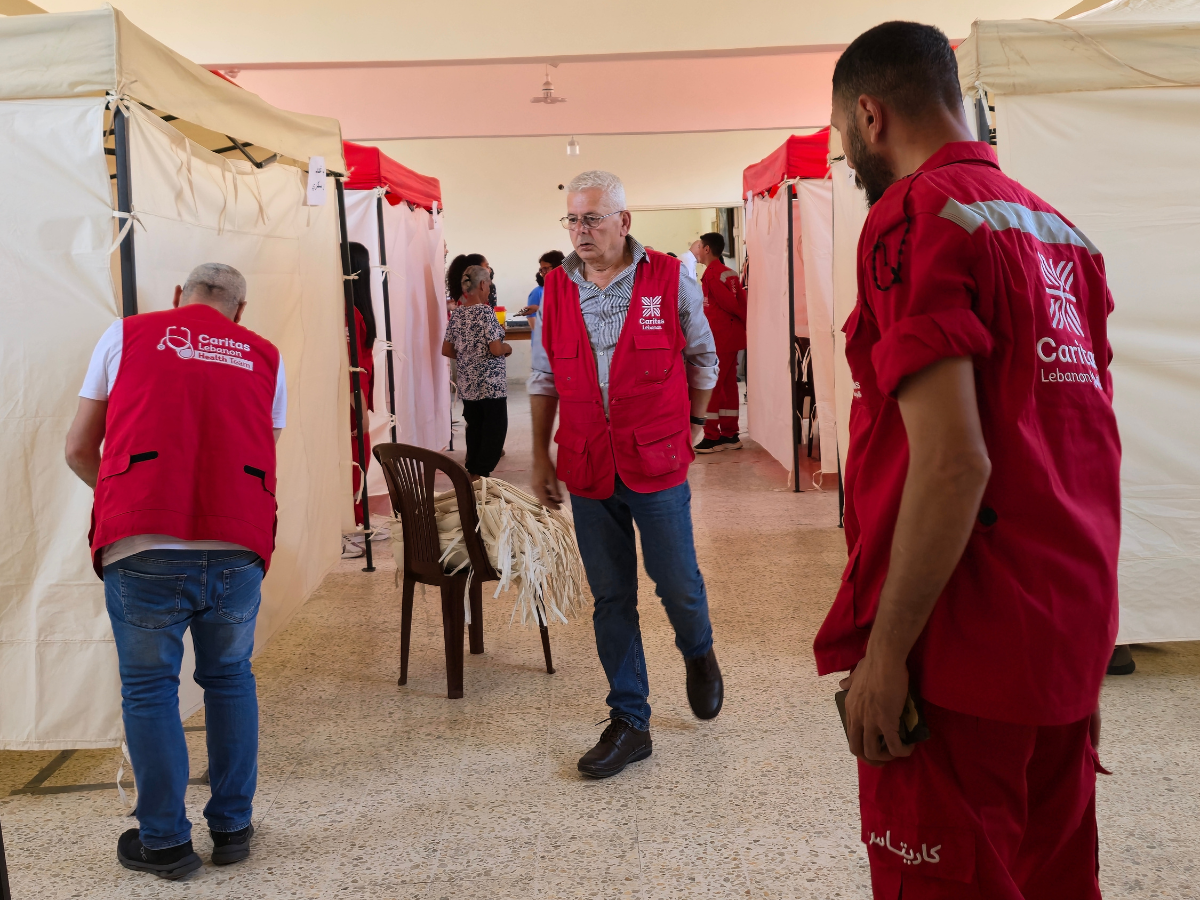
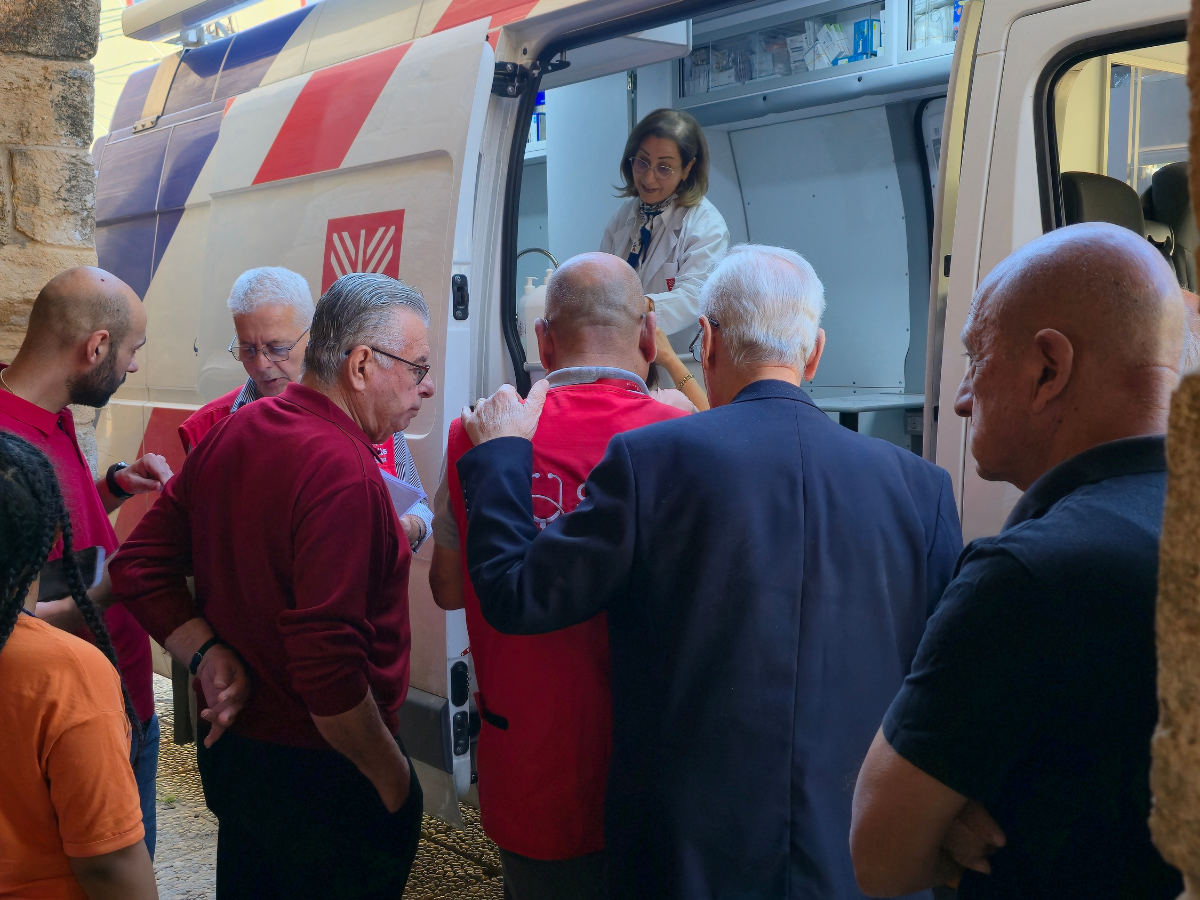
Photo: Caritas Lebanon provides people with access to healthcare (photo by Caritas Lebanon)
We support Caritas Lebanon through the Caritas Internationalis network, which we are a part of. In March, we released emergency funding from the Three Kings Collection Crisis Fund, and additional support can also be provided through the Caritas for the Middle East fundraising campaign.
Gaza Strip
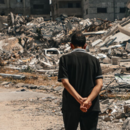
The situation in the Gaza Strip is still devastating. People are in imminent danger due to ongoing attacks on civilians and infrastructure. They continue to face food shortages as a result of restricted supplies. Access to healthcare remains severely limited, and many are living in damaged buildings or overcrowded tent camps where shelters are not suitable for the extreme summer heat. In recent weeks, reports have also emerged of a growing rodent infestation, raising concerns about the spread of rodent-borne diseases.
According to the UN Independent International Commission of Inquiry on the Occupied Palestinian Territory from June 2026, Israeli authorities and security forces have deliberately targeted Palestinian children. The Commission states that these actions have amounted to genocide and other serious crimes.
Children in Gaza carry the consequences of severe physical and psychological injuries, the loss of parents, displacement, hunger, and the collapse of healthcare and education systems. According to the report, Palestinian children have also been detained and subjected to torture and other forms of ill-treatment. The Commission further documented sexual violence against children and highlighted attacks on neonatal and maternity facilities that threaten the survival of newborns.
Since October 7, 2023, more than 20,000 children have reportedly been killed and a further 44,000 injured, according to the report.
In the past, we were supporting Caritas Jerusalem, which is still running its activities on the ground. At the moment, we collaborate with the organisation SAWA that offers its services to people in Gaza through a crisis hotline. We also provide important individual psychosocial care here. This way, we helped, for example, young Rafah, for whom our social worker arranged a wheelchair and medical shoes through partner organisations.
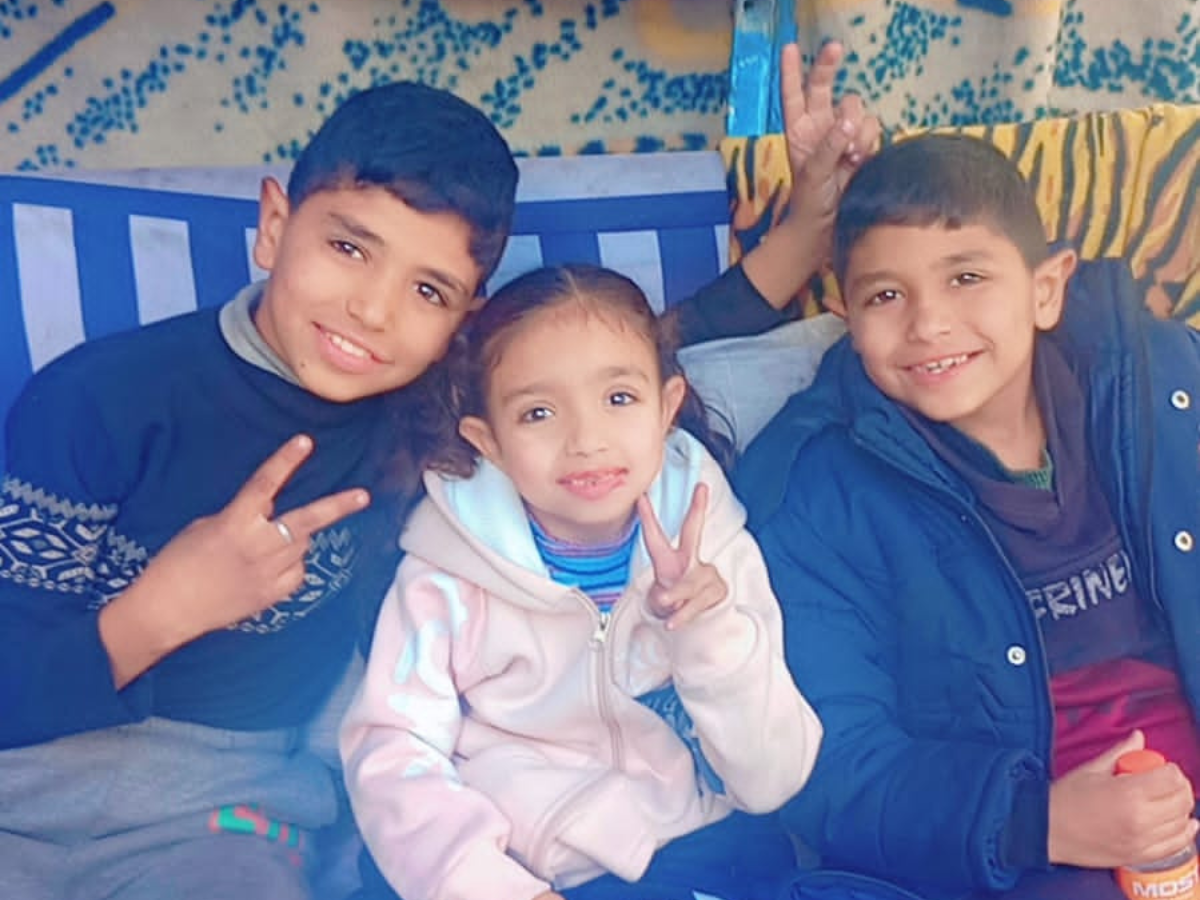 Photo: We helped little Rafah obtain a wheelchair and medical shoes
Children and civilians should not be the victims of armed conflicts. We therefore call on all parties of the conflict to respect international humanitarian law, protect civilians, and ensure safe and unimpeded access to humanitarian assistance.