October 1, 2026
News
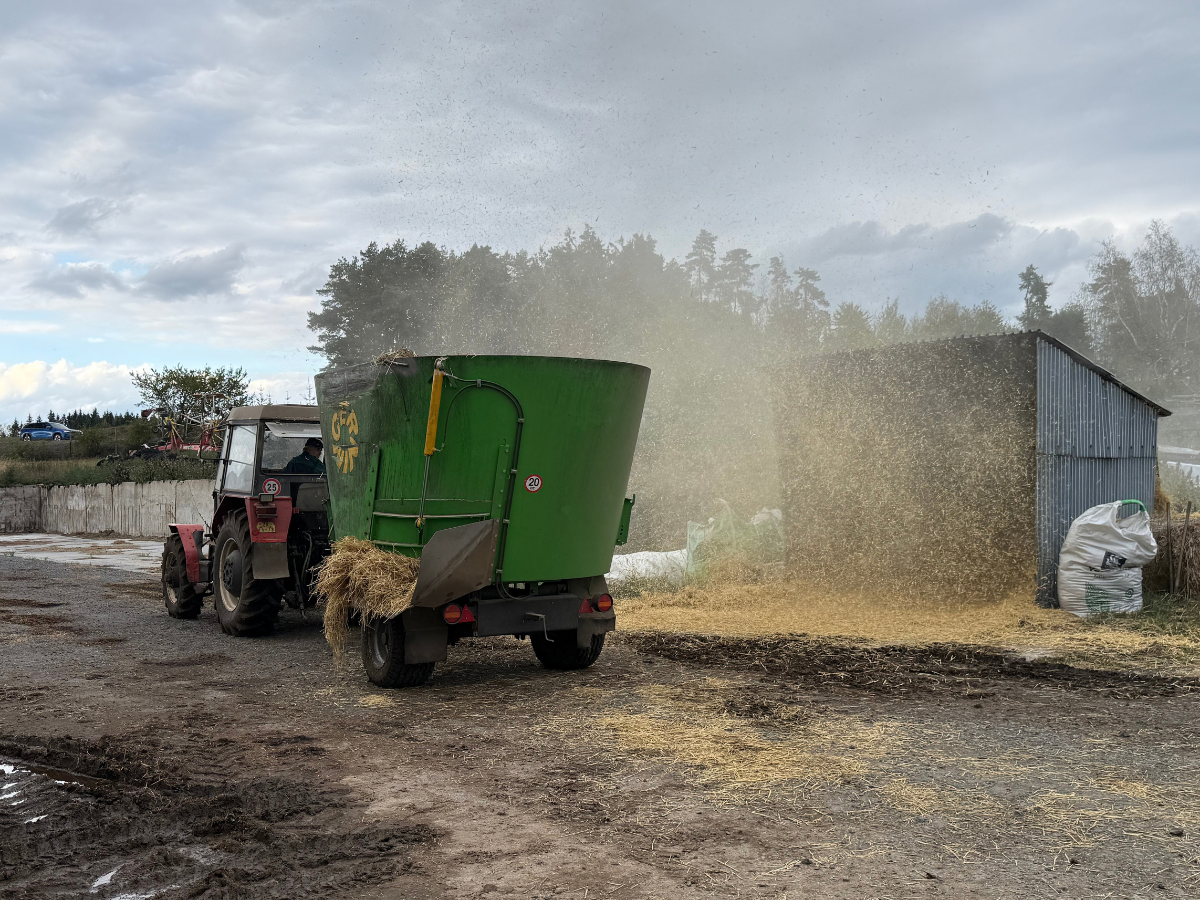
Agriculture in Ethiopia has long faced challenges that hinder its development and, consequently, the economic self-sufficiency of local communities. With financial support from the Czech Development Agency and in partnership with Caritas Addis, Caritas Czech Republic is implementing the ArgiMECH-ET project, which aims to bring modern agricultural technologies and expertise to Ethiopia. What specific shortcomings in the agricultural sector is the project designed to address, and how will cooperation between Czech and Ethiopian institutions be carried out?
Challenges facing Ethiopian agriculture
Farmers in Ethiopia currently face not only a shortage of modern technologies, but also limited capacity for their long-term operation, maintenance and servicing. For this reason, the project goes beyond simply introducing modern agricultural machinery. Equally important is the transfer of Czech know-how, enabling local institutions to use the equipment effectively, maintain it properly, and continue building the technical expertise required for its sustainable operation in the future.
As part of the project, we are also focusing on training local experts and strengthening sustainable technical support systems, including the availability of spare parts. We will help equip and establish training centres that will offer practical courses covering the proper use of agricultural machinery, preventive maintenance, and occupational health and safety,
says Filip Tlapa, our Country Programme Coordinator. Two newly established training centres, operated by the state-owned companies Ethiopian Agricultural Businesses Corporation and Agricultural Mechanisation Centre of Excellence in Kality, will provide facilities for 80 trainers and approximately 240 students from three local vocational schools.
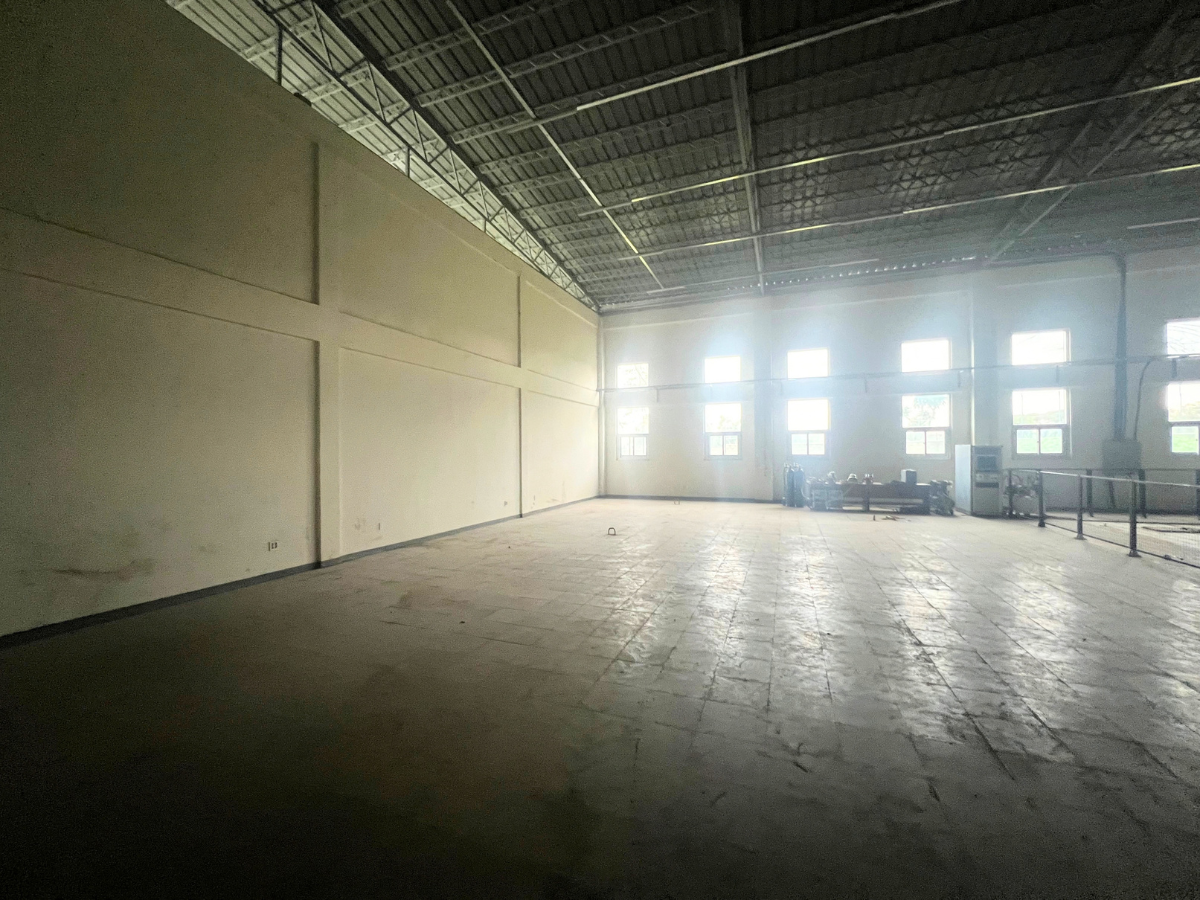
Photo: The premises will be transformed into a training centre
Connecting Ethiopian and Czech agricultural institutions
Caritas Czech Republic is currently supporting similar activities in Zambia through the ZAMAGRO project. In both initiatives, we cooperate with the Czech Agricultural and Forestry Machinery Association (AZET), which assists Czech companies in expanding into foreign markets and identifying new export opportunities.
Mendel University in Brno is also involved in the project. The university has recently begun assessing the needs of Ethiopian farmers. Based on this analysis, technologies will be selected to ensure they suit local soil and climatic conditions, the availability of servicing, and long-term operating costs. Data collection in the field is being supported by our local partner, Caritas Addis, while the Ethiopian Ministry of Agriculture is also contributing its on-the-ground expertise to the project,
says Filip Tlapa and adds that a visit by representatives of Ethiopian institutions to the Czech Republic is also planned for next year. During their stay, they will meet with Czech agricultural machinery manufacturers to establish business partnerships and gain first-hand insight into how the Czech agricultural sector operates. Later in the year, representatives of Czech organisations will travel to Ethiopia.

Photo: Caritas Addis, our local partner, is also involved in the project
Focus on the future
The ArgiMECH-ET project: Strengthening Agricultural Mechanization and Cooperation in Ethiopia through TVET, Market-Based Services and Czech Know-How will run until the end of 2028. Its strong focus on sustainability and the development of local capacities is expected to contribute to long-term, systemic improvements that will continue delivering benefits well beyond the project's completion.
Caritas Czech Republic in Ethiopia
In the past, our work in Ethiopia focused primarily on climate resilience. We helped local communities gain access to safe drinking water, addressing a challenge that forced many people to spend several hours each day collecting water from distant sources. The poor water quality also frequently posed serious health risks.
At the same time, we supported the participation of women in agriculture and other activities that contribute to economic self-sufficiency. We provided the training and financial assistance needed to help them establish and grow their livelihoods.
Before, all my strength was spent on surviving. Now I can plan. I can dream. I can think about the future, not just today,
says Almaz, whose village regained access to safe drinking water through a project implemented with the support of local partners. Almaz then became a member of a committee responsible for maintaining the water source.
We are thrilled to continue our presence in Ethiopia and contribute to the development of local agriculture.