


July 8, 2026
News
This summer, the Czech Republic has already experienced several temperature records. We cope with the hottest days by staying indoors or finding shade wherever we can. Gardeners irrigate their crops with well water, while farmers cool their livestock with measures such as fans. During these periods, many of us impatiently wait for rain and make sure to stay hydrated. But can you imagine coping with extreme heat without access to water? Today, more than 2 billion people worldwide lack access to a safe source of drinking water. In some places, prolonged droughts and the impacts of climate change are the main causes. Elsewhere, armed conflicts further worsen the situation by destroying infrastructure and disrupting water supplies. We bring you an overview of the countries where Caritas Czech Republic is helping – from providing access to safe drinking water to supporting agriculture during droughts.
Ethiopia
There are many crises across Ethiopia. As a federative republic, the country is divided into twelve regional states. For example, in the states of Tigray and Oromia, violence has forced hundreds of thousands of people from their homes. Caritas Czech Republic has focused its activities in the state of South Ethiopia, where the lives of the local population are made more difficult by inadequate infrastructure and frequent natural disasters, such as landslides and flash floods, which occur in part as a result of climate change.
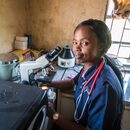
In Ethiopia, nearly 60 million people lack access to drinking water, which is more than 40% of the population. Together with the Ministry of Foreign Affairs of the Czech Republic and the local Caritas (ECC-SDCO/S), we secured access to water for village communities that previously had to collect water from a distant source and frequently faced health problems due to its poor quality.
The first time I filled my container with clean water, I cried. It felt like a heavy weight had been lifted from my chest. For the first time, I felt hope,
Says Almaz, who became a member of the committee responsible for managing the newly built water supply system. More than 9,000 people in her village now rely on it, and access to clean water has transformed their lives. Local health centres, for example, have reported a 70% decrease in the number of patients with waterborne diseases.
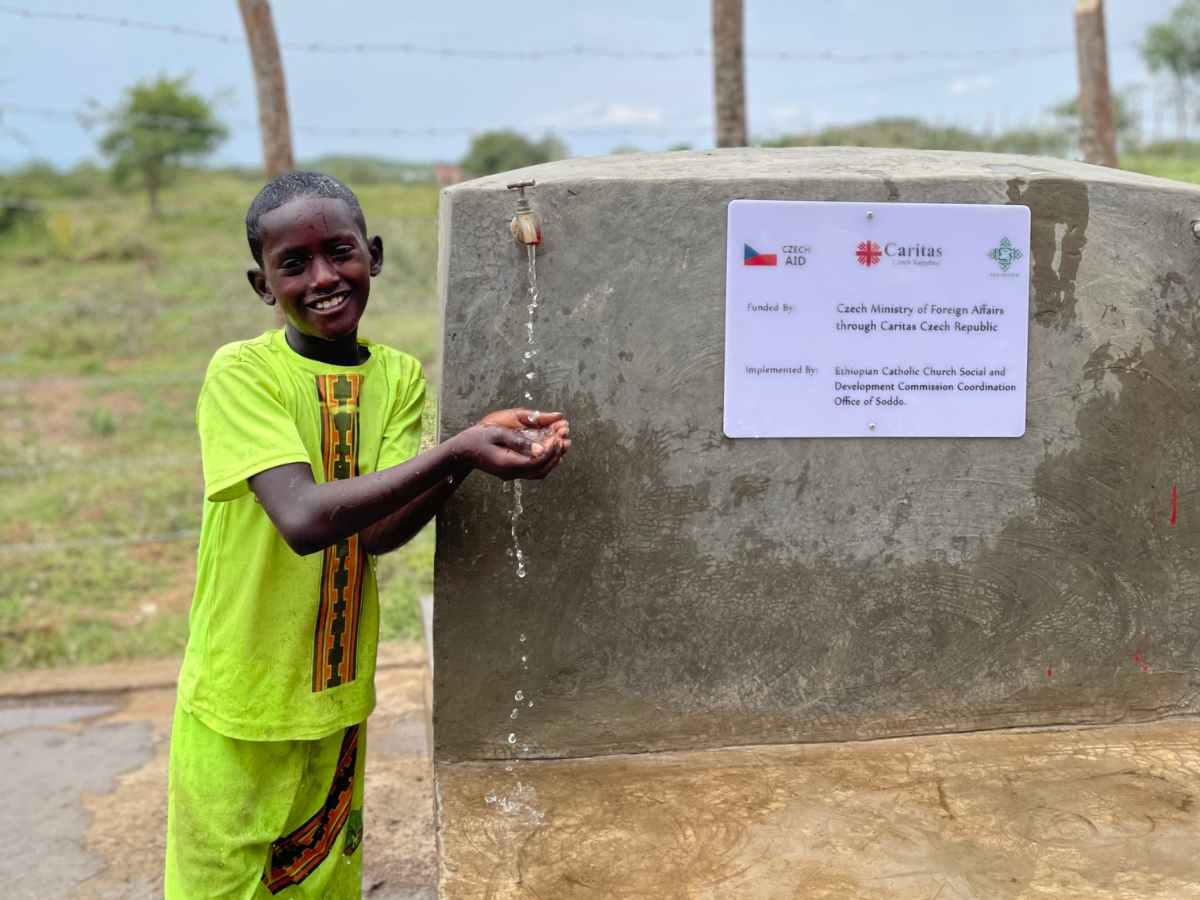
Photo: In Ethiopia, we helped village communities get access to water
Syria
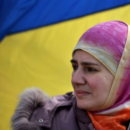
Together with our local partner, Takaful Al-Sham, we helped restore a pumping station and water distribution system in the Syrian village of Kaljibrin, where years of civil war had compounded the challenges posed by inadequate infrastructure. “We often waited a long time for the tanker to arrive, which was exhausting and caused significant hardship, especially for families who could not afford it,” Majed recalls. Today, like other residents of the village, he has regular access to free water.
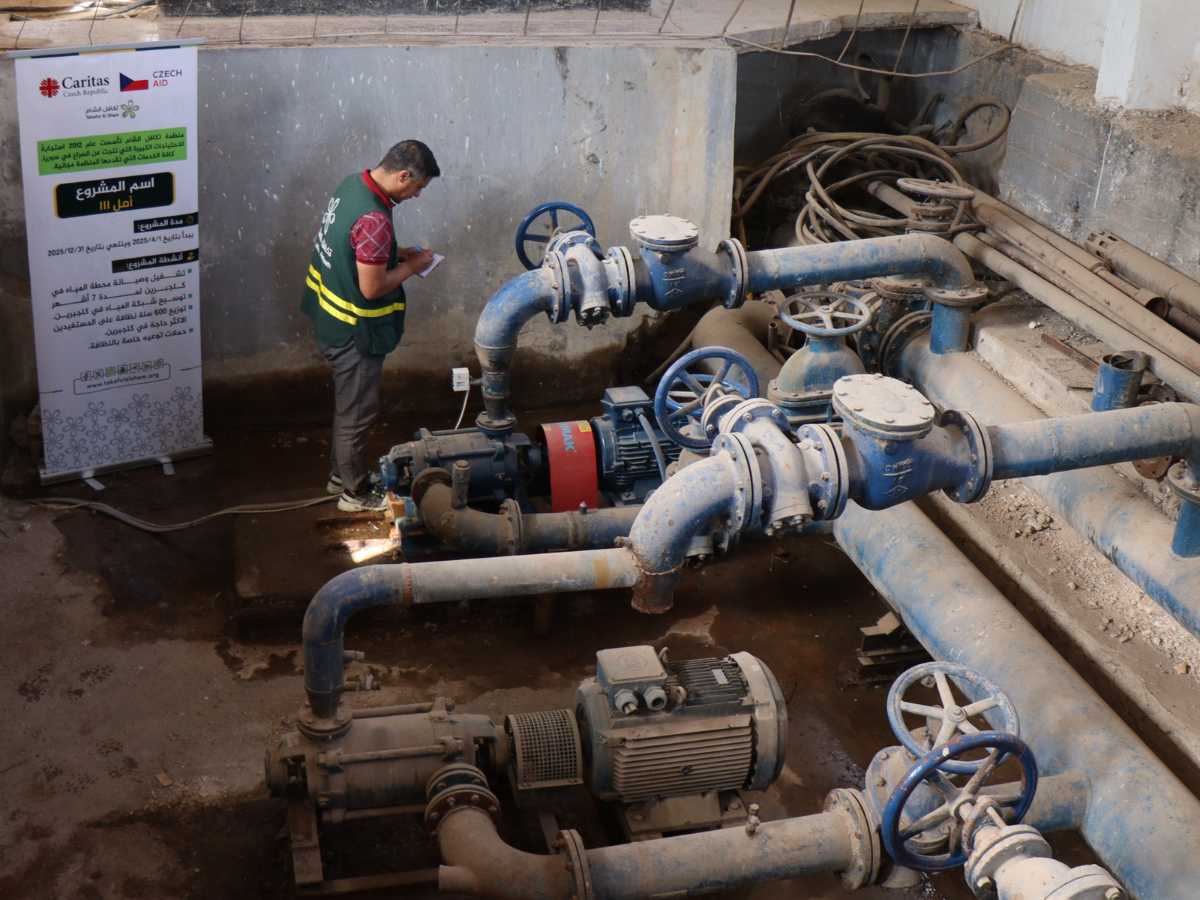
Photo: In Syria, we helped restore a pumping station
According to 2025 data, over 16 million people in Syria need humanitarian assistance. More than 10 million of them face water shortages and require support in hygiene and sanitation.
Moldova
In Moldova, some residents still lack access to safe drinking water. According to some estimates, as many as four in ten people are affected. The problem is particularly acute in rural areas, where many communities rely on wells that are often contaminated.
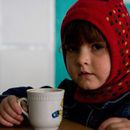
Last year, we therefore supported 135 children and the staff of a kindergarten in the small village of Bilicenii Vechi, where we completed construction of an innovative rainwater-harvesting system. The system can collect, filter, and store rainwater, and it has the potential to serve as a model for other communities across Moldova.
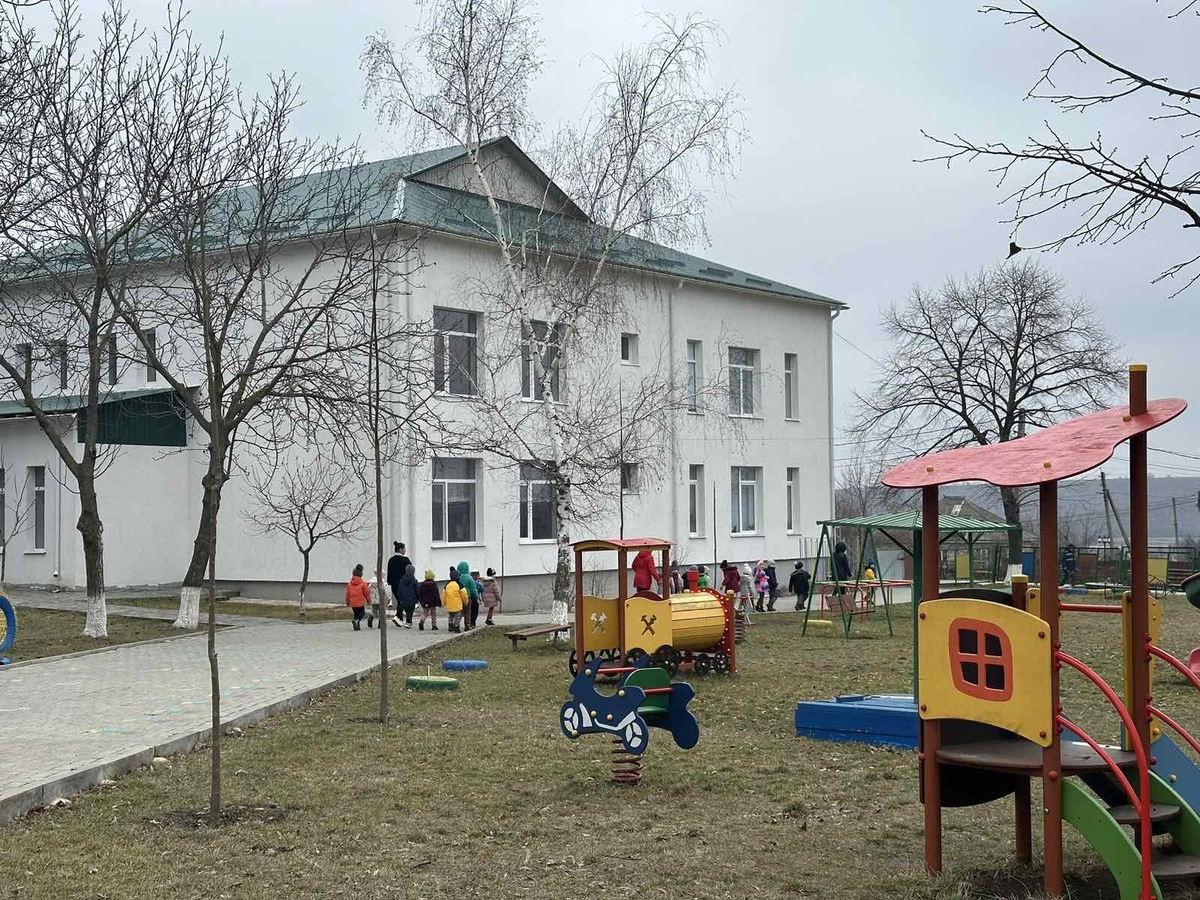
Photo: Kindergarten in the village of Bilicenii Vechi
Zambia
In Zambia, Caritas Czech Republic has been addressing water scarcity for many years, particularly in response to recurring droughts that destroy farmers’ crops and threaten their livelihoods. To tackle this challenge, we support local farmers through training programmes that equip them with knowledge of modern agricultural practices and strengthen their resilience to the impacts of climate change.
This way, we helped Minga, who, due to prolonged drought, was unable to produce enough food to feed her family:
With the irrigation, we can finally grow crops even when there is no rain. The beans and sweet potatoes have improved our meals at home, and I can also sell some for extra income.
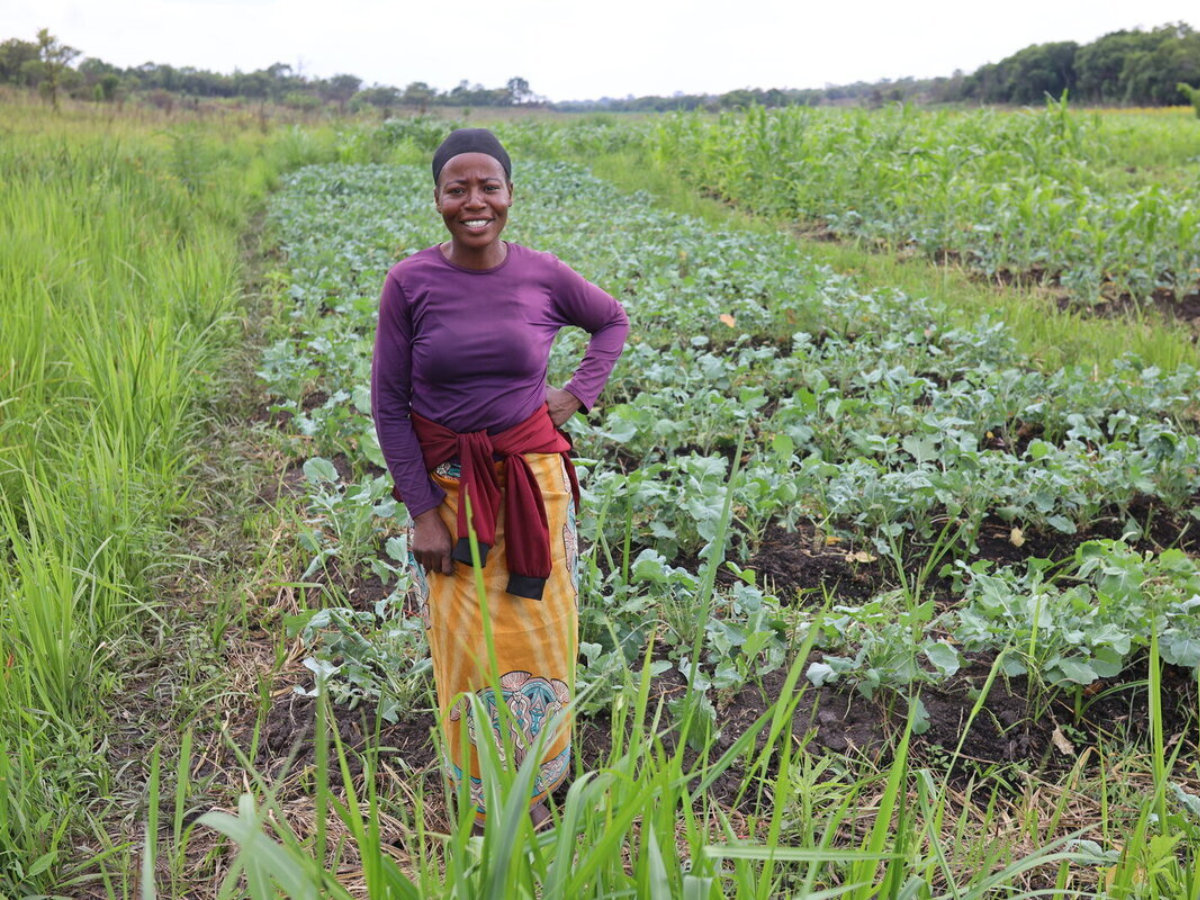
Photo: Minga
The situation in Zambia and other countries could worsen in the coming months due to the El Niño weather phenomenon. According to experts, it may develop in the summer of 2026 and bring higher temperatures to many parts of the world. El Niño is often associated with extreme weather patterns. While some regions experience prolonged droughts, others are hit by devastating floods. The regions most severely affected by El Niño include the Sahel and southern Africa, as well as South and Southeast Asia and Central America, where it can further reduce water availability and worsen agricultural conditions.
Gaza
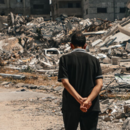
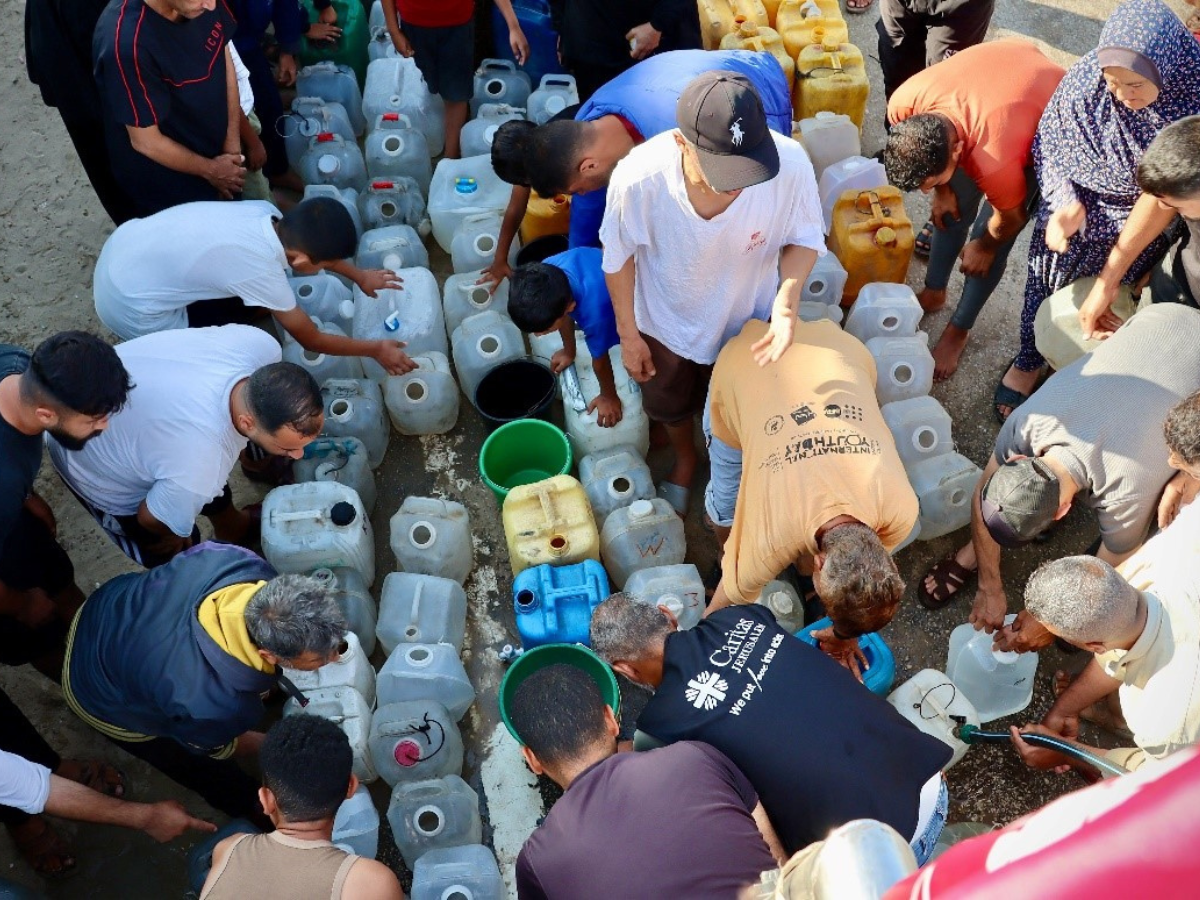
Water scarcity in Gaza has reached a critical point. The main causes include damaged infrastructure, contaminated groundwater, and inadequate sanitation and hygiene. Caritas Jerusalem warns that children walk kilometres to collect water that is often unsafe. Diseases such as diarrhoea and hepatitis A have been spreading, particularly among displaced families. The situation in the summer months is worsened by heatwaves, with nearly one million people forced to endure them in tents not designed for such conditions.
Water is also being provided to local communities by Caritas Jerusalem, which, like Caritas Czech Republic, is a member of Caritas Internationalis network. In the past, we supported the organisation’s healthcare clinic in Gaza. Today, our assistance focuses primarily on individual psychosocial support. We also cooperate with SAWA, which runs a crisis helpline for the people of Gaza.
Photo: Water scarcity in Gaza has reached a critical point (taken by Caritas Jerusalem)