
Syria

Since 2011, Syria has faced a civil war that has killed hundreds of thousands and displaced millions from their homes. The people of Syria face a lack of basic needs and livelihoods. We are helping to mitigate the effects of the civil war in the country. We have been working in the Turkish-Syrian border region since 2013. We have provided humanitarian material aid and healthcare and helped provide people with decent housing in the Idlib region.

In February 2023, a devastating earthquake struck Syria and Turkey. This exacerbated the problematic situation of the people in the country and left them entirely dependent on humanitarian organisations to provide for their basic needs.

Pomoc

Humanitarian aid for earthquake victims

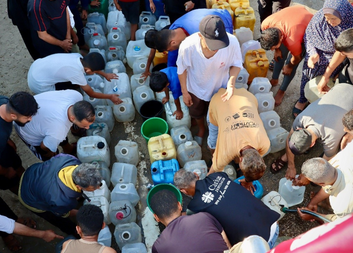
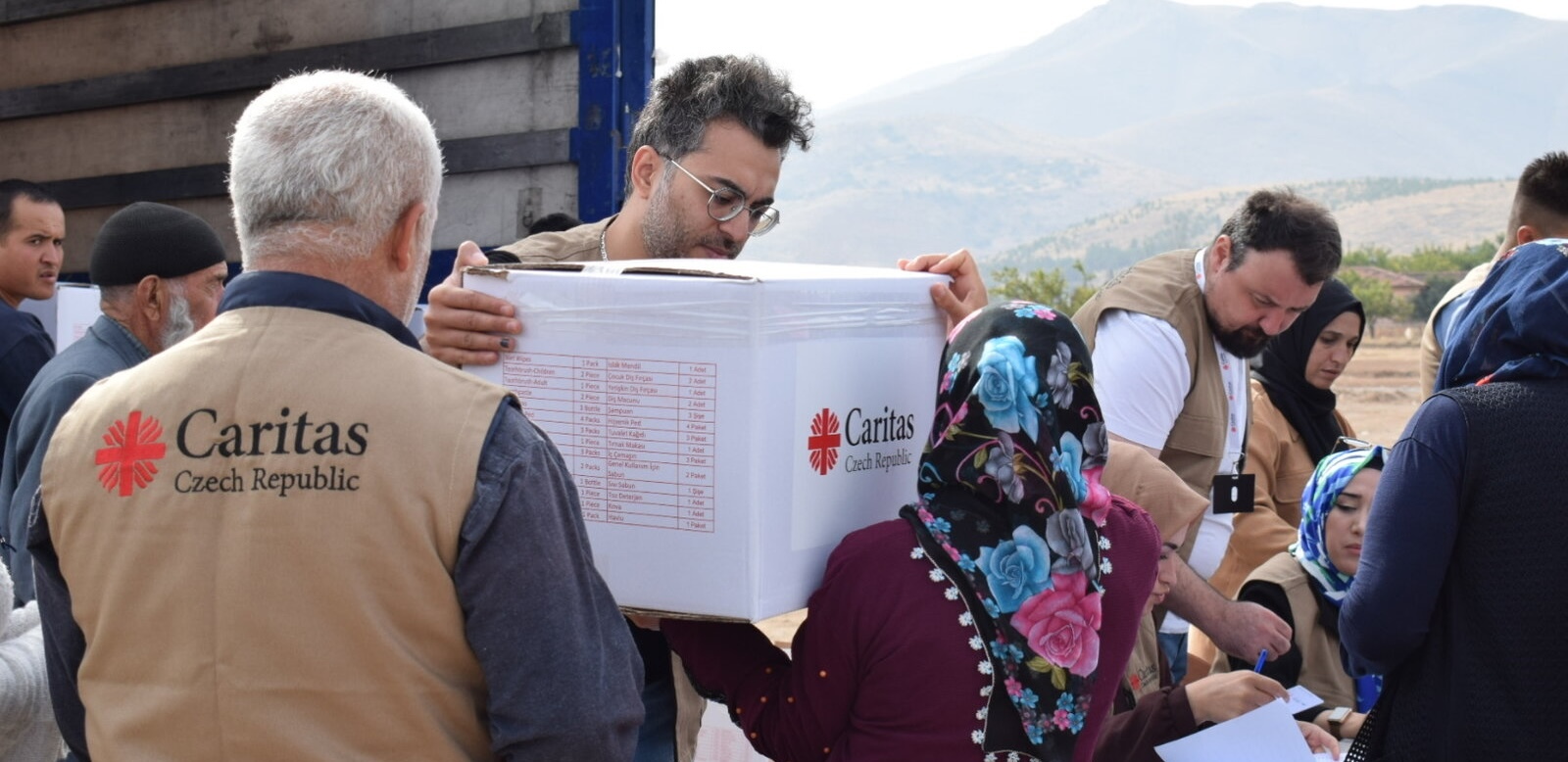
In the immediate aftermath of the earthquake, we started to provide on-the-ground assistance in cooperation with our partner organisations. We provided basic material aid such as food, drinking water, hygiene kits, warm clothes, and blankets. We are also providing shelter, as well as building social facilities. In response to the earthquake, we have launched a fundraiser to help Turkey and Syria.

005290_05_112519

Supporting civil society

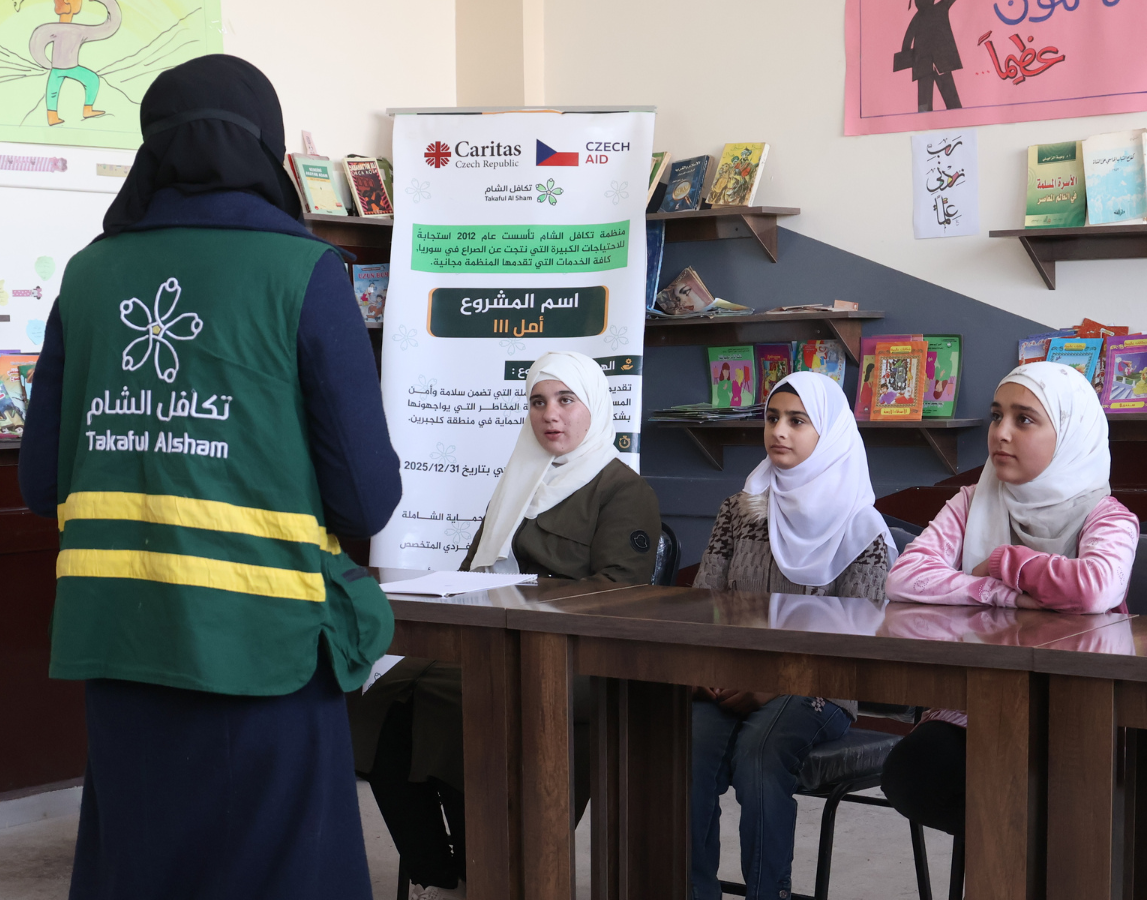
In Syria, we are currently focusing on strengthening Syrian civil society in Idlib and Azaz in the north. We are supporting local civil society organisations to help young people in the region gain the skills and contacts they need. We have also supported youth employment through the creation of new jobs.

One year after the war - 7 things you should know about the situation in Syria
March 10, 2026 News

One year after the war - 7 things you should know about the situation in Syria

It has been 15 years since the war in Syria began — a conflict that became one of the biggest humanitarian crises of our time. Although the fall of the Bashar al-Assad regime in December 2024 brought hope for a better future for many Syrians, it also introduced new challenges. Why was Syria at war for so long? In what condition is Syria now, following the rise of the new government of Ahmad Shara? And what else should you know about the current situation in Syria?

Worsening humanitarian crisis in the Middle East. Caritas Czech Republic is ready to respond
March 9, 2026 News

Worsening humanitarian crisis in the Middle East. Caritas Czech Republic is ready to respond

The security situation in the Middle East continues to deteriorate. Millions of local residents live in uncertainty and danger; they face forced displacement and lack basic necessities. Caritas Czech Republic operates in Syria and Gaza, where we monitor developments. Previously, we helped address the humanitarian crisis in Lebanon, in collaboration with Caritas Lebanon. We remain in contact with our sister organisation and are prepared to respond if needed. At the same time, as a humanitarian organisation, we urge all parties involved in the Middle East conflict to de-escalate immediately and to protect all civilians without exception.

Majed from Syria used to buy expensive water every three days. Today, thanks to Caritas, he has his own supply
January 23, 2026 News

Majed from Syria used to buy expensive water every three days. Today, thanks to Caritas, he has his own supply

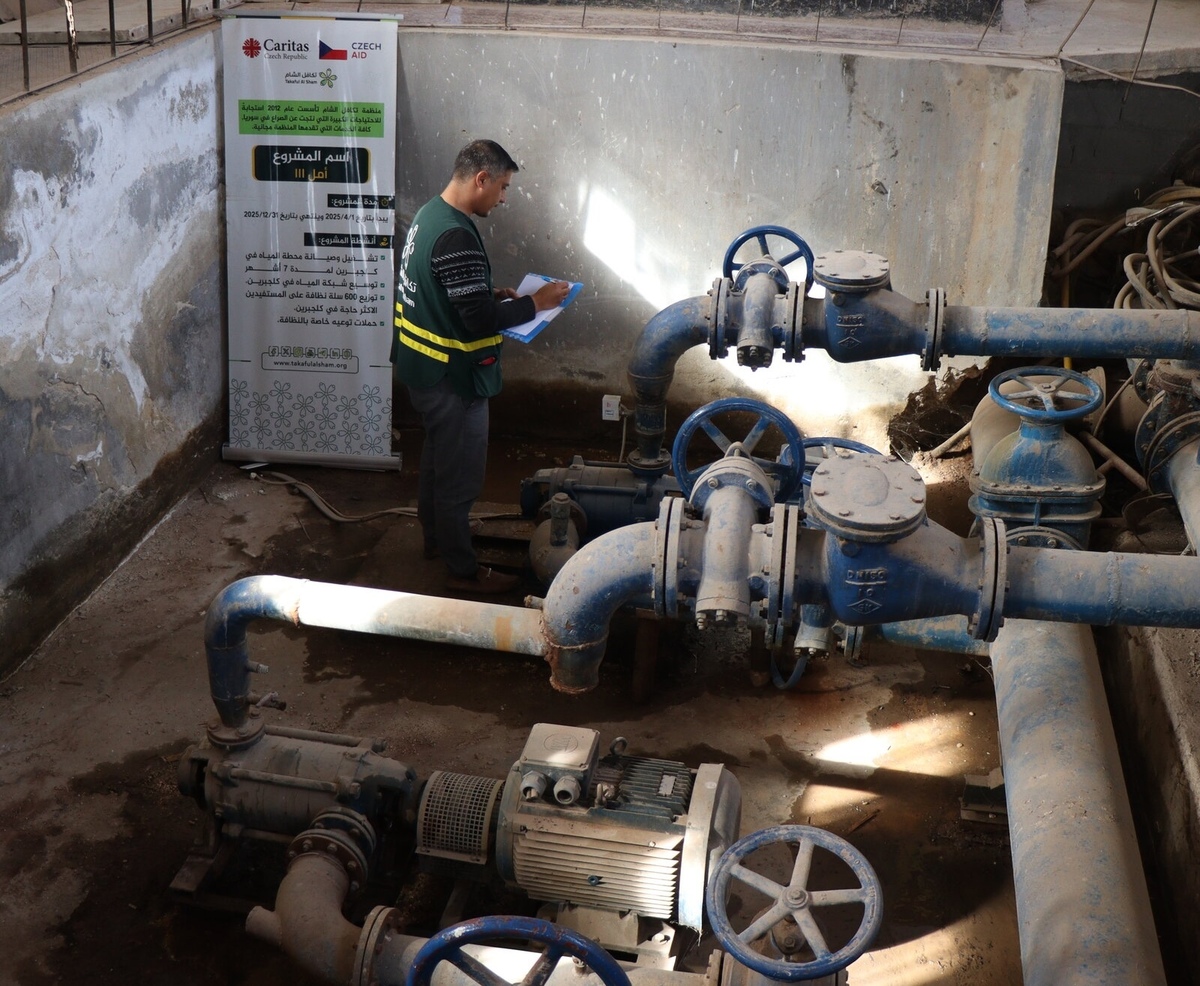
Until recently, Majed from Syria had to buy expensive water for his entire family every three days. Today, thanks to Caritas Czech Republic, he has his own source of clean water, sufficient both for household needs and for irrigating crops. In collaboration with the organisation Takaful Al-Sham, we put into operation the local pumping station and restored the water supply network. As a result, Majed no longer has to pay for water and can save money instead. 

Caritas Czech Republic sets new safety standards for humanitarian and development workers
December 29, 2025 News

Caritas Czech Republic sets new safety standards for humanitarian and development workers

Helping others is only possible when those who provide the help are safe themselves. That is why Caritas Czech Republic places great emphasis on protecting its staff and creating a secure environment for their work. This year, we launched a systematic review and development of safety management within our humanitarian and development programmes. The aim of this strategy is to prepare staff for potential crisis situations arising from security threats and accidental or natural risks. According to Kristýna Kvasničková, Learning & Policy Coordinator, safety standards were updated this year at Caritas Czech Republic’s offices in Ukraine and Zambia. In the coming year, these procedures will also be implemented in other regions where Caritas operates. This activity was funded by the Czech Aid.