


August 3, 2026
News

Droughts in Australia or heavy rainfall in South America. In the coming months, extreme weather across the globe is expected to be influenced by El Niño, a climate phenomenon that is already gaining strength in the Pacific Ocean. What is El Niño, how does it develop, and why is the whole world concerned about its consequences? Find out in this article.
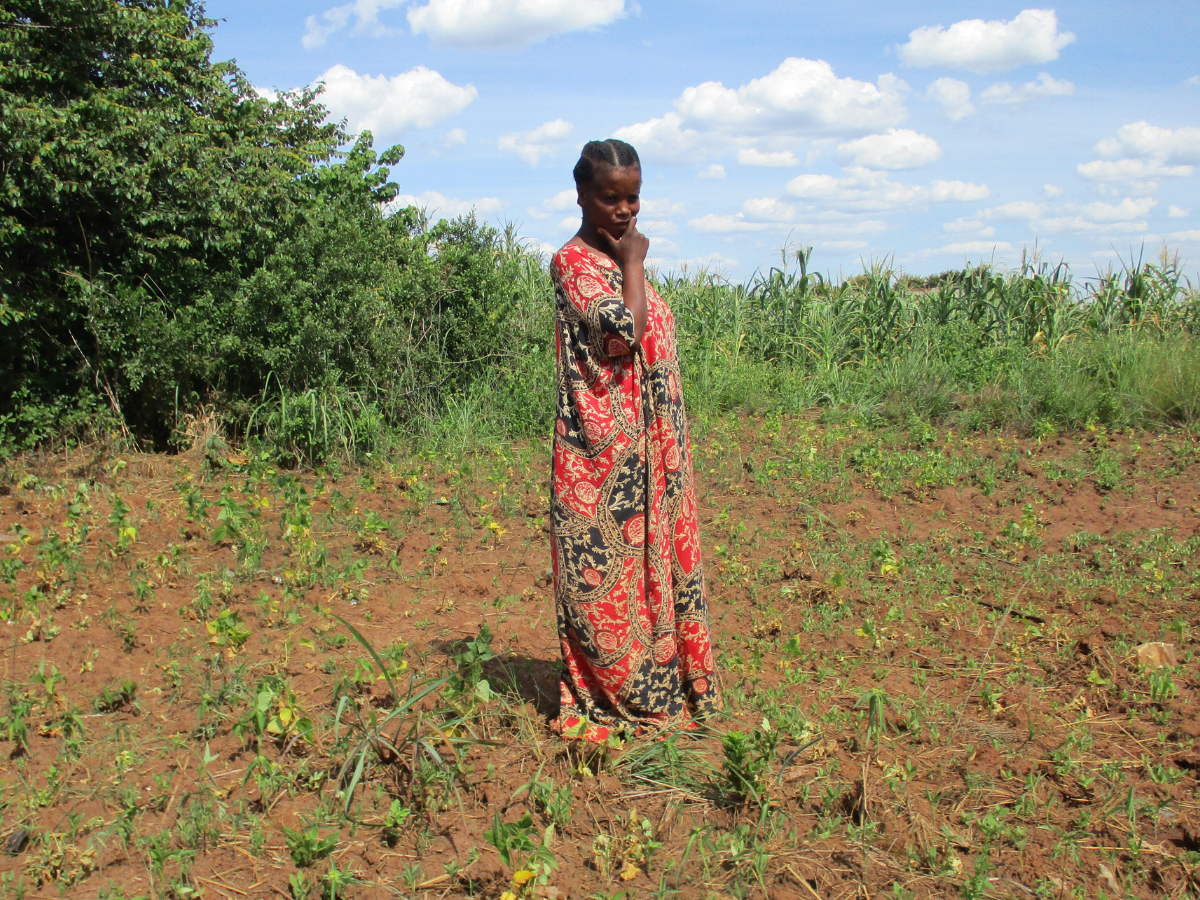
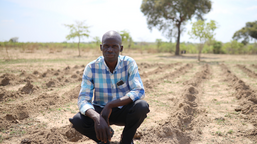
Photo: El Niño will bring droughts as well as heavy rainfall
What is El Niño?
In Spanish, El Niño means “a little boy”. It got its name in the 17th century, when fishermen in South America first noticed its effects in the Pacific Ocean. Because the phenomenon typically peaks in December, they named it El Niño de Navidad, which translates as “the Christmas boy”.
El Niño is a climate phenomenon that occurs every two to seven years. Together with its cooler counterpart, La Niña (“the little girl”), it has a significant impact on ocean temperatures and rainfall patterns across the globe. These phases of the so-called El Niño–Southern Oscillation (ENSO) typically last between nine and twelve months, although they do not necessarily alternate.
El Niño occurs more frequently than its cooling counterpart. During an El Niño event, sea surface temperatures in the central and eastern equatorial Pacific Ocean become unusually warm.
How does El Niño develop?
Under normal conditions, trade winds push warm surface waters from the west coast of the Americas towards the east coast of Asia. During an El Niño event, however, these trade winds weaken, causing the warm water to shift back towards the Americas. The loss of warm surface water is often replaced by colder water rising from deeper layers of the ocean.
As El Niño gradually gains strength, its effects become noticeable in different parts of the world.
What are the impacts of El Niño?
The upcoming El Niño is expected to reach its peak strength between November and February. It is likely to bring extreme weather to many parts of the world, ranging from prolonged droughts to heavy rainfall that can trigger devastating floods. While its effects are not expected to be as pronounced in Central Europe, the phenomenon could have a significant impact on regions such as Central America and Australia.
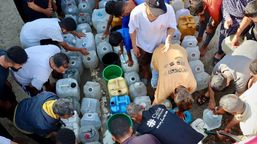
Experts forecast prolonged droughts in Australia, Southeast Asia, northern South America, the Sahel region and southern Africa. Meanwhile, above-average rainfall is expected in eastern Africa, parts of central and eastern Asia, and southern South America. During the 2015-2016 El Niño event more than 60 million peoplewere affected. It is expected that the upcoming event will greatly increase the need for humanitarian assistance.
Many of the countries expected to be affected by El Niño are already grappling with active conflicts, population displacement, food shortages and weakened agricultural production as a result of climate change. In Africa, these include, for example, Sudan, Somalia and South Sudan. According to Anthony Nyong, the African Development Bank's climate change expert, El Niño is likely to trigger large-scale migration across the continent. Nyong expects the price of maize, one of Africa's staple crops, to double. He also warns that the phenomenon could significantly affect fisheries. In Latin America and the Caribbean, some of the most vulnerable countries include Ecuador, Venezuela and Haiti.
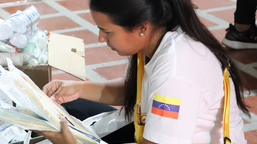
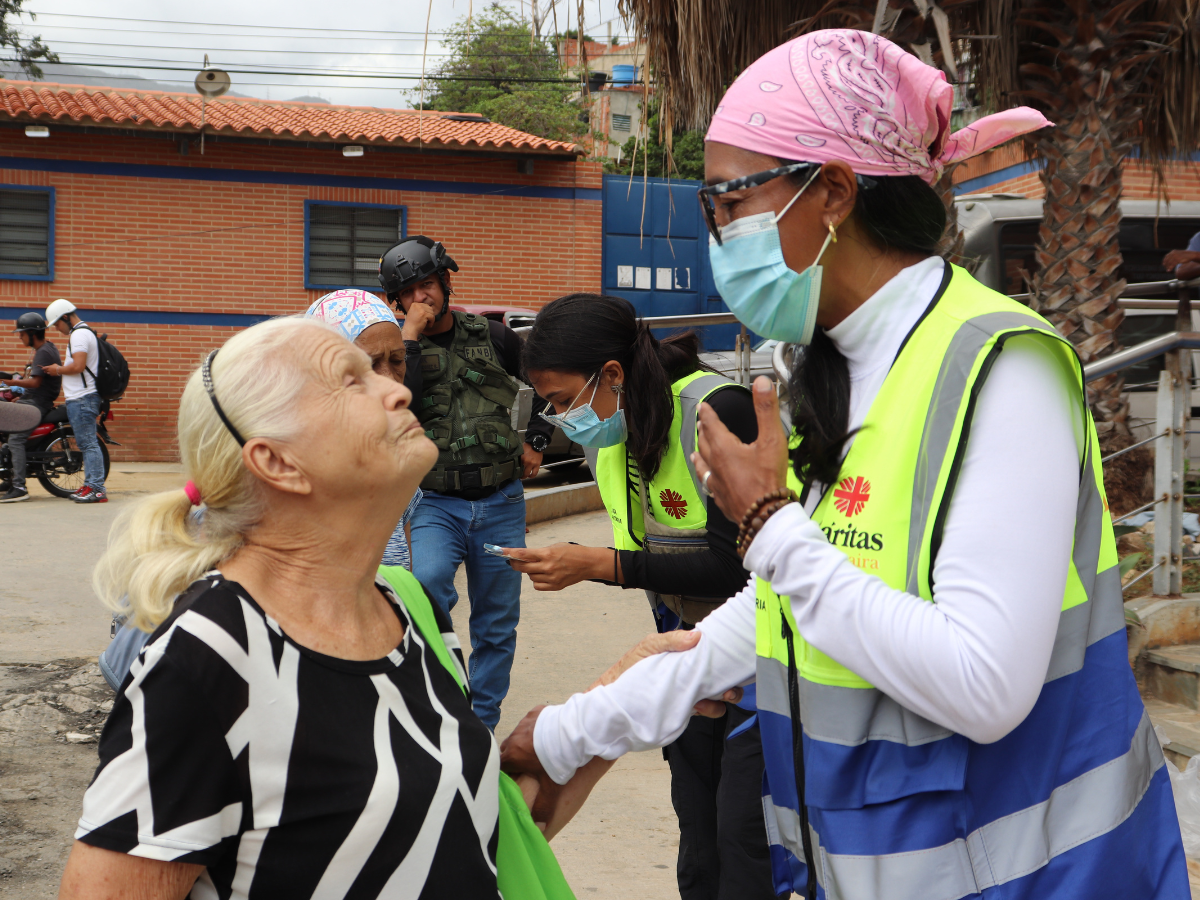 Photo: El Niño may affect weather in Venezuela, which is facing the consequences of recent earthquakes
(credit: Caritas Venezuela)
This is not like previous El Niños. The planet is much warmer today, and with conflict and food insecurity widespread, this new phase will hit hardest in places that are already vulnerable and have limited coping capacity,
says Jorge Alvar Beltrán, a natural resources specialist at the UN Food and Agriculture Organisation (FAO). Experts therefore stress the need for measures that can help address El Niño-related crises in the months ahead. However, they emphasise that the priority should be to mitigate the impacts of El Niño while protecting crops, water supplies, key resources and infrastructure. Humanitarian organisations should also be prepared to scale up their assistance when affected communities need support.