


July 20, 2026
News

The loss of relatives, repeated displacement, lack of food, and never-ending fear. That is what life in Gaza has looked like for months and years. How does the current situation affect the mental health of local people? That is what the social worker of Caritas Czech Republic discusses in this interview. Although she also deals with daily obstacles of living in the Gaza Strip, she helps others manage the psychological burden and find hope again.
What is the current situation in Gaza? What do local people currently need?
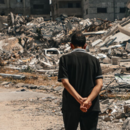
The situation in Gaza remains extremely difficult. Most families have lost their homes or have been displaced multiple times and are now living in overcrowded tents with very limited access to basic services. Clean water is scarce, and many people are forced to use unsafe water for drinking and washing. Living conditions are very poor, with piles of rubble, insects, rodents, and inadequate sanitation surrounding many displacement camps.
People also face great difficulties moving from one place to another due to damaged roads, the destruction of infrastructure, and the lack of transportation.
One of the biggest challenges today is that humanitarian aid is not reaching people in sufficient quantities because access through the crossings remains severely restricted. As a result, families continue to struggle to obtain food, clean water, medicine, and other essential items.
Beyond material needs, people desperately need safety, stability, hope, and emotional support after enduring months of fear, loss, and uncertainty.

Photo: Hamdi takes care of four children with disabilities
What would you like Czech readers to know about the psychosocial aspect of life in Gaza?
Many people think the suffering in Gaza is only about destroyed buildings and shortages of food, but there is another crisis that cannot always be seen—the psychological impact of living through continuous war.
Children have grown up surrounded by explosions, displacement, and loss. Many no longer feel safe, even when there is no immediate danger. Adults carry the burden of protecting their families while struggling with grief, anxiety, and uncertainty about the future.
Living for such a long time under these conditions affects every part of daily life. People are emotionally exhausted, yet they continue to care for one another and try to remain strong for their families.
What are the needs of people who come to you for psychosocial support?
Many people come to us after experiencing traumatic events, including the loss of family members, repeated displacement, or the destruction of their homes.
Some suffer from anxiety, panic attacks, sadness, sleeping difficulties, or feelings of hopelessness. Children often express their distress through fear, withdrawal, nightmares, bedwetting, aggression, or difficulty concentrating.
In many cases, what people need most is someone who will listen without judging them, help them understand their emotions, and remind them that they are not facing these hardships alone.

Photo: Aida's husband was killed, leaving her as the sole provider
How do you meet the people who need your help? Is it you who selects them or are they assigned to you?
People reach our services through different channels.
Some are referred by community organisations, humanitarian partners, or health professionals, while others are identified through outreach activities in displacement camps and affected communities. We also receive people who come directly asking for support.
We assess each person's situation and prioritise those with the greatest psychosocial needs to ensure that support reaches the most vulnerable.

Photo: Palestine witnessed her relatives dying
How does your workday look like?
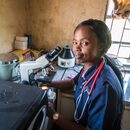
Most mornings begin with planning visits to displacement camps or community centres. Throughout the day I conduct individual and group psychosocial support sessions, especially with women and children, coordinate with colleagues, follow up on previous cases, and document our work.
Working in Gaza is challenging because electricity, internet access, transportation, and communication are often disrupted. Despite these obstacles, we continue our work because we know that every conversation, every session, and every moment of support can make a meaningful difference in someone's life.
How does the work with children differ from the work with adults?
Children and adults experience trauma differently.
Children often communicate their emotions through play, drawing, or changes in their behaviour rather than through words. Building trust with them requires patience, creativity, and a sense of safety.
Adults usually want someone to listen to them. They carry enormous responsibilities for their families while coping with grief, financial hardship, and uncertainty. Supporting adults often means helping them manage overwhelming stress so they can continue caring for their loved ones.

Photo: Life is especially difficult for young Rafah in Gaza because of her disability
Recently, you led a session for women in a refugee centre on how to deal with stress. Can you tell us about that experience?
The session brought together women who had all experienced displacement, loss, and constant uncertainty.
At the beginning, many were hesitant to speak, but as the discussion continued they began sharing their fears, grief, and daily struggles. We talked about practical ways to cope with stress, support one another, and care for their own emotional wellbeing despite the difficult circumstances.
By the end of the session, many women told us that simply having a safe place to speak openly and realise they were not alone made them feel lighter and more hopeful.

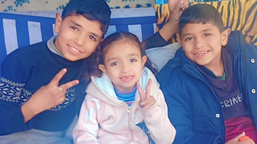
Photo: Ahmad lost both his parents during the war
Is there a specific moment or a specific person you helped that resonates with you the most?
One moment that stays with me was meeting a young child who had stopped speaking after losing close family members during the war.
At first, the child would only sit quietly and avoid eye contact. Through several sessions using play and drawing, the child slowly began expressing emotions again. The first smile I saw after weeks of silence is something I will never forget.
Moments like these remind me that even small steps can have a profound impact on healing.
Is there anything you learned from the people you helped?
Yes. Every day I am reminded of the incredible resilience of people in Gaza.
Despite everything they have lost, many continue to support their neighbors, comfort their children, and find reasons to hope. I have learned that resilience is not the absence of pain—it is the ability to keep moving forward despite it.
Their courage and patience inspire me every day.