October 6, 2026
News

World Mental Health Day, observed annually on 10 October, reminds us that mental well-being is just as important as physical health. That is why mental health is a core part of our work at Caritas Czech Republic. For example, in Gaza and Ukraine, we support people whose mental health has been profoundly affected by the long-term consequences of armed conflict. We also contribute to the development of mental health services in Georgia and Moldova.
Gaza
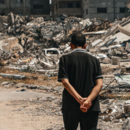
The loss of loved ones and homes, repeated displacement, shortages of food and other basic necessities, and above all the constant fear and uncertainty of living through war. After three years of conflict, the psychological impact on local communities in Gaza remains profound.
FACT: The number of people experiencing anxiety, depression, and post-traumatic stress disorder (PTSD) is rising in Gaza. These mental health challenges affect both adults and children.
Source: WHO Eastern Mediterranean Region
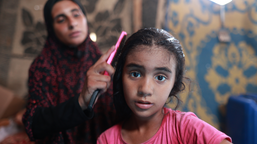
At Caritas Czech Republic, we recognise that in the midst of a prolonged crisis, it can be difficult for individuals to find the support they need. That is why we provide individual psychosocial support to people who cope with hardship while caring for their loved ones and maintaining hope for the future. Our social worker on the ground has already supported dozens of families this year.

Photo: In Gaza, we provide individual assistance to children and adults
In addition to individual counselling sessions, she helps her clients access material assistance tailored to their specific needs, working closely with other organisations. For example, she helped Nesma and her daughter obtain a tent, as well as financial support to purchase medicine and food.
FACT: According to the Sawa organisation, the number of people experiencing suicidal thoughts in Gaza is rising sharply. In July 2025, the organisation recorded 60 such cases among its clients, compared with 229 cases in the same month this year.
Source: Sawa Organisation
We support the work of the Palestinian organisation Sawa, which operates a crisis helpline in Gaza and the West Bank. Between January and August this year, its counsellors handled nearly 12,800 calls.
Ukraine
Also, in Ukraine the prolonged war continues to have a profound impact on the mental health of local communities. For this reason, we are actively engaged in the field of mental health, helping people cope with trauma as well as the daily challenges of living through war.
FACT: According to the Ministry of Health of Ukraine, approximately 15 million people across the country need psychological support.
Source: International Rescue Committee (IRC)
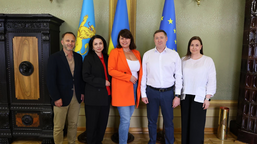
Last year, we helped establish five mental health centres for children and adults across western and eastern Ukraine, including a Resilience Centre in Truskavets. This year, thanks to public donations, we are renovating the Mental Health Centre for Children and Adolescents in Lviv and equipping it with modern resources, including therapeutic play tools and virtual reality-based activities.

Photo: The Mental Health Centre for Children and Adolescents in Lviv is currently being renovated
Our goal is to strengthen access to psychological care at the local level. Once completed, the centre in Lviv will serve as a strategic interregional hub providing specialised services and connecting clients with community-based organisations. Through this initiative, we will support at least 8,000 children in western Ukraine each year
FACT: Around 60% of people seeking support in Ukraine experience anxiety, while one in five faces depression.
Source: International Rescue Committee (IRC)
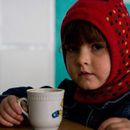
We do not bring mental health support only to specialised centres. In the Zakarpattia region, we worked with partner organisations to create the first school emotional relief room. Today, it serves students, teachers, and parents, who can come here to play musical instruments, engage with sensory and light panels, read, and spend time together.
When completing an assignment on the topic My dreams, ninety percent of fifth-grade students wrote that their only dream was an end to the war. Children are constantly in a state of anxiety, and it is very good that we now have a room where both students and teachers can renew their strength and find the support they need,
says the lyceum director.
In the Dnipropetrovsk region, this year we are organising psychosocial support activities for children, adolescents, and older people from communities living near the frontline. Through creative games and group activities, we help children process their emotions and build self-confidence. For older people, these gatherings provide an opportunity to connect with peers and take a break from the pressures of everyday life. These activities are implemented in cooperation with our partner EGIDA-Centre and with financial support from the Ukraine Humanitarian Fund (UHF).
Georgia
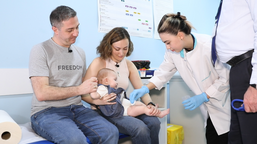
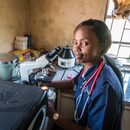
We are also working to strengthen mental health care in Georgia. Our goal is to bring professional support closer to people by integrating mental health services into primary healthcare and making them available directly through family doctors. We support the development of new clinical protocols for selected mental health conditions, train healthcare professionals, and place particular emphasis on introducing a gender-sensitive approach to care.
A gender-sensitive approach in practice means that we take seriously the fact that mental health difficulties manifest themselves differently in women and men, and that women and persons with disabilities face specific barriers,
says Filip Tlapa, Country Programme Coordinator for Ethiopia, Georgia and Moldova at Caritas Czech Republic.
FACT: Caritas Czech Republic has been supporting the development of Georgia’s healthcare system for many years, from cancer prevention and paediatric oncology care to strengthening mental health services.
These mental health activities in Georgia are implemented as part of a project with Expertise France, funded by the French Development Agency (AFD).
Moldova
In Moldova, we have long worked to strengthen home care services to improve the quality of life of older people and others in vulnerable situations.
FACT: Many young people leave Moldova in search of better opportunities and higher incomes abroad. As a result, the country's population is ageing, while many older people are left without the day-to-day support of their family members.
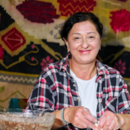
We also supported the establishment of intergenerational clubs, where older people and young people could spend time together, play games, and learn from one another. Through these activities, older adults, many of whom experience feelings of loneliness, became more active. At the same time, we helped expand access to occupational therapy services.

Photo: Intergenerational clubs in Moldova
As a result, last year we organised a total of 35 intergenerational club meetings across five social and healthcare centres throughout Moldova and provided more than 3,000 occupational therapy sessions.
Humanitarian emergencies
Psychosocial support is also an important component of assistance during emergencies and humanitarian crises.
FACT: People who have witnessed a devastating disaster but experienced fewer losses than those around them may develop feelings of guilt, a phenomenon known as survivor’s guilt.
Source: Mass General Brigham
Thank you for helping us support people through difficult life circumstances and find the strength they need to move forward.